
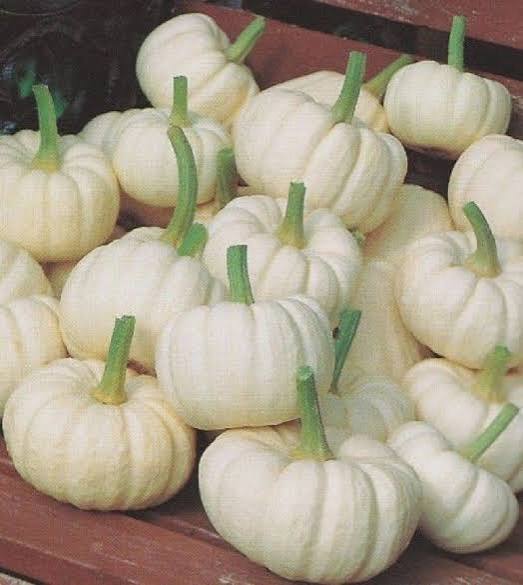

When autumn crispness fills the air and leaves turn brilliant shades of crimson and gold, nothing captures the cozy magic of the fall season quite like pumpkins. While giant orange jack-o’-lanterns have traditionally dominated front porches across America, a charming, pint-sized contender has taken the design, culinary, and gardening worlds by storm: the Baby Boo Pumpkin.
With its miniature palm-sized shape, deep structural ribs, and striking bone-white skin, the Baby Boo pumpkin (Cucurbita pepo) is the undisputed darling of autumn decor and fall farm stands. Whether you want to elevate your Thanksgiving table centerpiece, craft elegant rustic wedding decor, cook gourmet stuffed pumpkin dishes, or grow a heavy harvest in your backyard garden, this comprehensive guide covers everything you need to know about this enchanting heirloom-style mini pumpkin.
What Is a Baby Boo Pumpkin?
The Baby Boo pumpkin is an open-pollinated, miniature white winter squash belonging to the Cucurbita pepo species. Introduced to the horticulture market in 1990, it was specifically bred to offer a bright white counterpart to the wildly popular orange miniature pumpkin variety, ‘Jack Be Little’.
Despite its tiny appearance, the Baby Boo is a true pumpkin in every botanical sense. Each individual fruit measures roughly 2 to 3 inches in diameter and about 1.5 to 2 inches tall, usually weighing between 2 to 4 ounces. They grow on sprawling, highly prolific vines that can stretch 8 to 10 feet long, yielding up to 10 to 20 mini pumpkins per plant.
Key Aesthetic Takeaway: The hallmark characteristic of a genuine Baby Boo is its pure, paper-white skin paired with a sturdy dark green or tan stem. To maintain this striking white color, growers must harvest the fruit right as it reaches maturity before long exposure to direct, scorching sunlight turns the skin a soft creamy yellow.
The Origin and History of Mini White Pumpkins
Before the late 20th century, white pumpkins were considered rare anomalies in American agriculture. Traditional fall celebrations focused almost exclusively on deep orange field pumpkins derived from native North and Central American squash species cultivated by Indigenous peoples for thousands of years.
In the late 1980s, commercial seed breeders recognized a growing consumer demand for novel decorative gourds and smaller, manageable squash varieties tailored for urban homes and smaller kitchen counters.
- 1990 Market Debut: The ‘Baby Boo’ variety was officially released in 1990, immediately capturing the attention of commercial growers and home gardeners.
- The Farmhouse Chic Explosion: As interior design trends shifted toward modern farmhouse, Scandinavian minimalism, and neutral autumn color palettes in the early 2000s, the demand for pure white gourds skyrocketed.
- Modern Culinary Reimagining: Beyond decoration, innovative chefs quickly realized that the miniature hollow cavity of the Baby Boo makes it an ideal single-serving vessel for gourmet dining.
Comparative Guide: Baby Boo vs. Other Mini Pumpkins
Understanding how Baby Boo compares to other popular miniature squashes helps you choose the right variety for your garden or kitchen project.
| Variety | Appearance | Size | Flavor Profile | Best Uses |
| Baby Boo | Pure alabaster white | 2–3 inches | Mild, sweet, chestnut-like | Fall tablescapes, gourmet single-serve roasting, DIY crafts |
| Jack Be Little | Vibrant deep orange | 2–3 inches | Sweet, smooth acorn squash-like | Traditional autumn decor, children’s crafts, baking |
| Casperita | Bright white, heavy ribs | 4–5 inches | Very sweet and buttery | Front porch displays, individual soup bowls |
| Sweetie Pie | Speckled orange & dark green | 3–4 inches | Exceptionally sweet | Dessert baking, decorative arrangements |
| Munchkin | Bright orange with flecks | 3–4 inches | Mild, slightly stringy | Fall arrangements, wreath crafting |
Design & Decor: Elevating Fall Aesthetics with Baby Boo
The striking neutral tone of Baby Boo pumpkins makes them one of the most versatile styling tools for fall decorating, easily blending with modern, rustic, boho, or traditional interior aesthetics.
1. Ethereal Autumn Tablescapes
Unlike bright orange pumpkins that can overpower delicate table settings, white Baby Boos add subtle texture and seasonal charm without dominating the room’s color palette.
- The Eucalyptus Runner: Lay a lush garland of silver dollar eucalyptus down the center of your dining table, nesting 7 to 9 Baby Boo pumpkins alongside brass candleholders and battery-operated fairy lights.
- Place Card Holders: Write your guests’ names in metallic gold or silver calligraphy directly onto the smooth white skin of a mini pumpkin, placing one atop each dinner plate.
2. Chic Wedding & Event Florals
White mini pumpkins have become a staple for fall weddings and formal anniversary dinners.
- Hollowed Flower Vases: Slice off the top stem, scoop out the seeds, line the interior with floral foam, and insert white roses, dried pampas grass, or burgundy dahlias for stunning organic vase displays.
- Aisle Runners: Line wedding ceremony aisles with clusters of white Baby Boos, white pillar candles, and scattered autumn leaves.
3. Front Porch & Mantle Styling
- Monochrome Pumpkin Stacks: Stack three size-graded white pumpkins (such as a large ‘Lumina’, medium ‘Casper’, and top with a mini ‘Baby Boo’) inside urn planters flanking your front door.
- Fireplace Garland Integration: Weave mini white pumpkins into faux cedar or pinecone garlands draped across your fireplace mantle.
Culinary Delights: How to Cook and Eat Baby Boo Pumpkins
A common myth is that miniature decorative pumpkins are inedible gourds. While some ornamental gourds are tough and bitter, Baby Boo pumpkins are completely edible and surprisingly delicious!
Flavor Profile and Texture
The flesh of a Baby Boo pumpkin is pale yellow to ivory, with a smooth, fine-grained texture when cooked. Its taste is light, mildly sweet, and nutty—resembling a delicate hybrid between acorn squash and sweet chestnut.
Because the skin is thin and tender when baked, you can eat the skin along with the soft interior flesh.
Best Culinary Applications
- Gourmet Stuffed Vessels: Bake whole hollowed pumpkins stuffed with wild rice, cranberries, toasted pecans, sausage, or melted Gruyère cheese.
- Individual Soup Bowls: Roast the pumpkins whole, remove the tops, and ladle warm roasted butternut squash or lobster bisque directly inside.
- Roasted Pumpkin Seeds: The seeds inside Baby Boos are tender and small. Toss them with olive oil, sea salt, and smoked paprika, then roast at 325°F (160°C) for 15 minutes for a crunchy snack.
Kitchen-Tested Recipe: Savory Wild Rice & Gruyère Stuffed Baby Boos
This elegant recipe transforms mini white pumpkins into individual, single-serving culinary masterpieces perfect for holiday dinner parties.
1.Prep the Pumpkin Vessels:Serves 4 | Active Prep Time: 20 Mins.
Preheat your oven to 375°F (190°C). Wash 4 fresh Baby Boo pumpkins thoroughly and pat dry. Using a sharp paring knife, carefully cut off the top 1/2-inch stem lid from each pumpkin. Use a small metal spoon to scoop out the seeds and stringy pulp from the center cavity.
2.Pre-Roast for Tenderness:
Lightly brush the inside and cut edges of each pumpkin with 1 tablespoon of melted unsalted butter. Season the interiors with a pinch of kosher salt and black pepper. Place the hollowed pumpkins and their stem caps upside down on a parchment-lined baking sheet. Roast for 15 to 20 minutes until the flesh is just tender when pierced with a paring knife.
3.Prepare the Savory Filling:
In a skillet over medium heat, melt 1 tablespoon of butter. Add 1/2 cup of finely diced shallots, 2 minced garlic cloves, and 1/2 cup of diced wild mushrooms. Cook for 5 minutes. Stir in 1.5 cups of cooked wild rice, 1/4 cup of dried cranberries, 1/4 cup of toasted chopped pecans, 1 teaspoon of fresh thyme leaves, and 1/2 cup of shredded Gruyère cheese.
4.Stuff, Bake, and Serve:
Flip the pre-roasted pumpkins right-side up. Pack the savory rice filling tightly into each pumpkin cavity until slightly overflowing. Top with an extra sprinkle of Gruyère cheese. Bake uncovered for 12 to 15 minutes until the cheese is melted and bubbling. Place the stem lids back on top and serve warm.
Home Gardener’s Blueprint: How to Grow Baby Boo Pumpkins
Growing Baby Boo pumpkins in your home garden is an easy, highly rewarding project. Because the fruits are small, the vines yield an abundant harvest in a relatively short growing window.
1. Planting Timeline & Conditions
- Days to Maturity: 90 to 100 days from seed germination to harvest.
- Sunlight Needs: Full sun (at least 6 to 8 hours of direct daily sunlight).
- Soil Requirements: Warm, well-draining soil rich in organic compost. Ideal soil pH ranges between 6.0 and 6.8.
- Temperature Sensitivity: Seeds will not germinate in cold soil. Direct-sow seeds outdoors only after soil temperatures consistently exceed 70°F (21°C) and all danger of spring frost has passed.
2. Planting & Trellising Methods
- Hill Planting: Plant seeds in mounds or “hills” raised 6 inches above the surrounding garden bed. Sow 4 to 5 seeds per hill, 1 inch deep, and thin to the strongest 3 seedlings once sprouted. Space hills 4 to 6 feet apart.
- Trellis Training (Ideal for Small Gardens): Because Baby Boo fruits are small (weighing only a few ounces), you don’t need heavy fruit slings! Train the vines up a sturdy vertical wooden or metal cattle-panel trellis. Vertical growing keeps fruits off wet soil, improves airflow, and prevents soil-borne rot.
3. Care & Maintenance Protocol
- Deep Watering: Water deeply at the soil level, providing 1 to 1.5 inches of water per week. Avoid overhead watering to prevent powdery mildew on leaves.
- Pollination Encouragement: Pumpkins produce separate male and female flowers on the same vine. Bees are essential for pollination. Avoid applying insecticides during blooming periods to protect pollinators.
- Sun Protection Secret: As fruits reach full size, tuck nearby leaves over the developing pumpkins to shade them from harsh afternoon sun, preserving their pure white color.
Harvesting, Curing, and Long-Term Storage Secrets
To enjoy your Baby Boo harvest well into the winter months, proper harvesting and curing techniques are essential.
When to Harvest
- Stem Inspection: Harvest when the vine begins to die back and the stem turns hard, corky, and brown.
- Color Timing: Cut the pumpkins while they are pure ivory-white. If left on the vine too long after maturity, prolonged sun exposure causes the skin to turn yellow or pale orange.
- Rind Firmness: The skin should feel hard enough that your fingernail cannot easily pierce it.
The Curing and Storage Protocol
- Cut with Shears: Always cut the pumpkin from the vine using sharp pruning shears, leaving 1 to 2 inches of stem attached. Never snap the pumpkin off by hand, as breaking the stem opens a pathway for bacteria and rot.
- Wash and Dry: Gently wipe the skin with a mild dilution of water and a few drops of bleach or vinegar to remove soil bacteria and mold spores. Dry thoroughly.
- Cure in a Warm Spot: Allow the harvested pumpkins to cure in a warm (75°F–80°F / 24°C–27°C), dry, well-ventilated area out of direct sunlight for 7 to 10 days. Curing hardens the outer rind and seals small micro-wounds.
- Cool Storage: Store cured pumpkins in a cool, dark room (50°F–55°F / 10°C–13°C) with low humidity. Properly cured Baby Boo pumpkins will easily stay fresh for 3 to 5 months!
Health & Nutritional Benefits
Beyond their decorative charm and gourmet flair, Baby Boo pumpkins offer impressive nutritional benefits per calorie.
1. High in Dietary Fiber
A single serving of cooked mini pumpkin provides generous dietary fiber, supporting smooth digestive transit, nourishing beneficial gut flora, and promoting satiety.
2. Antioxidant Powerhouse
Baby Boos are loaded with beta-cryptoxanthin, lutein, and zeaxanthin—carotenoid antioxidants that support vision health, protect eye tissues from blue light damage, and neutralize cellular oxidative stress.
3. Rich in Essential Potassium
Packed with natural potassium, incorporating winter squashes into your diet helps maintain fluid balance, support muscle contraction, and promote healthy blood pressure regulation.
4. Immune System Support
Containing notable levels of Vitamin C and Vitamin A, consuming pumpkin flesh supports skin health, mucosal integrity, and natural immune defense during the cold fall and winter months.
Frequently Asked Questions
Why are my white Baby Boo pumpkins turning yellow?
Baby Boo pumpkins turn yellow when exposed to excessive direct sunlight after reaching maturity, or if left on the vine past their prime harvesting window. To preserve their bright alabaster color, harvest them as soon as the rind hardens and store them in a cool, shaded location.
Can you eat the skin of a Baby Boo pumpkin?
Yes! The skin of a roasted Baby Boo pumpkin is thin and tender, making it entirely edible when cooked.
How many pumpkins does a single Baby Boo plant produce?
A healthy, well-pollinated Baby Boo vine can yield anywhere from 10 to 20 miniature pumpkins across a single growing season.
#BabyBooPumpkin #MiniWhitePumpkin #FallDecor #AutumnVibes #FarmhouseChic #WhitePumpkins #PumpkinPatch #HomeGardening #TablescapeDesign #FallWeddings #OrganicGardening #WinterSquash #RoastedPumpkin #EdibleGourds #GardenToTable #SeasonalEating #HarvestSeason #ThanksgivingDecor #DIYFallDecor #PlantBasedRecipes #HealthyEating #GardeningLife #HeirloomVegetables #PintSizedProduce #CucurbitaPepo #AutumnPalette #HomeCozy #GourmetVegetables #UrbanHomestead #FallRecipes
