
Everything you need to know about the history, nutrition, health benefits, and best ways to cook this vibrant blue-fleshed potato.
Introduction: The Potato That Refuses to Be Boring
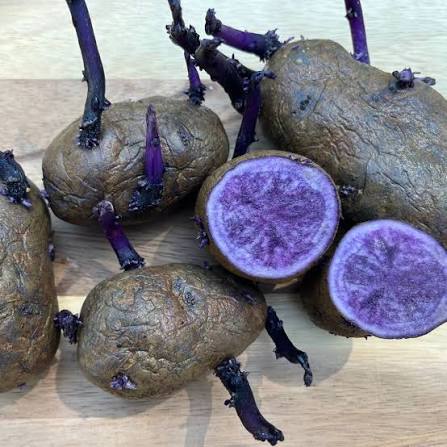
Picture this: you slice open what looks like a totally normal potato, and instead of the pale, familiar white or yellow flesh you’re used to, you’re staring at a deep, almost electric shade of blue-purple. No food coloring. No trick photography. Just nature doing something spectacular.
That’s the All Blue potato for you.
This isn’t some genetically modified novelty or a gimmicky farmer’s market stunt. The All Blue potato is a genuine heirloom variety with deep roots in potato history, prized not just for its jaw-dropping color, but for the serious nutritional punch it packs. While your average grocery store potato is basically just starch and comfort food, the All Blue potato is loaded with antioxidants that put it in a completely different nutritional league.
In this guide, we’re covering it all:
- What the All Blue potato actually is and where it comes from
- The science behind that incredible blue color
- A full nutritional breakdown
- Every major health benefit backed by research
- How to cook it without losing that beautiful color
- Growing tips if you want to try it in your own garden
- Answers to the questions people are asking most
If you’ve ever wondered whether a potato could actually be considered a “superfood,” stick around. You’re about to find out.
What Is an All Blue Potato?
The All Blue potato is a heirloom potato variety characterized by deep blue-purple skin and flesh that runs all the way through the potato — not just a thin colored layer near the skin like some other varieties. When you cut one open, the color goes edge to edge, which is part of what makes it such a showstopper on the plate.
Here’s what sets it apart:
- Oval to round shape, medium in size, with slightly rough, textured skin
- Deep blue-purple flesh that holds much of its color even after cooking (especially with the right cooking method — more on that later)
- Moist, dense texture that’s slightly firmer than a typical russet potato
- Mildly nutty, earthy flavor with a subtle sweetness that sets it apart from more neutral-tasting white potatoes
- Part of a broader family of blue and purple potatoes that includes varieties like Adirondack Blue, Purple Peruvian, Purple Majesty, and Congo
Despite the dramatic appearance, the All Blue potato is botanically the same species as any other potato you’d find in the grocery store. <cite index=”16-1″>The key difference comes down to anthocyanin content — the same pigment compounds responsible for the color — which also happen to deliver some serious health benefits.</cite>
A Brief History: From the Andes to Your Dinner Table
Blue and purple potatoes didn’t just show up recently to capitalize on the “eat the rainbow” trend. Their story goes back thousands of years.
<cite index=”22-1″>Blue-fleshed potatoes are native to South America, particularly the Andean region, where indigenous communities have cultivated them for centuries, dating all the way back to the pre-Columbian era.</cite> Long before European colonization introduced the potato to the rest of the world, Andean farmers were already growing and prizing these colorful varieties — not for novelty, but because they recognized their nutritional and culinary value.
<cite index=”22-1″>Over time, these vibrant potatoes made their way to Europe and eventually North America, gaining popularity in recent decades thanks to their striking appearance and the growing consumer interest in nutrient-dense, antioxidant-rich foods.</cite>
Today, the All Blue potato has become a favorite among:
- Heirloom and heritage seed growers who want to preserve genetic diversity in food crops
- Farmers markets looking to offer something visually distinctive
- Home gardeners drawn to its unique look and relatively easy cultivation
- Chefs at high-end restaurants who use it to create visually striking, nutrient-forward dishes
It’s a perfect example of how something old and traditional can suddenly feel new again once people rediscover it.
The Science Behind the Color: What Are Anthocyanins?
Let’s talk about the real star of the show: anthocyanins.
Anthocyanins are a class of powerful plant pigments responsible for the red, purple, and blue coloring found in a wide range of fruits and vegetables — think blueberries, blackberries, red cabbage, and eggplant. <cite index=”17-1″>These pigments are the same antioxidants found in blueberries and blackberries, and they’re what give All Blue potatoes their vivid coloring.</cite>
But anthocyanins aren’t just about looks. They’re legitimately powerful antioxidant compounds, and this is where the All Blue potato starts to separate itself from your average spud.
- Anthocyanins help neutralize free radicals — unstable molecules that contribute to cellular damage, aging, and chronic disease
- <cite index=”23-1″>Blue-fleshed potatoes have been found to carry as much antioxidant power as nutritional heavyweights like Brussels sprouts, kale, and spinach</cite>
- The deeper and more vivid the blue-purple color, generally speaking, the higher the concentration of these beneficial compounds
- Unlike synthetic food dyes, these pigments come bundled with real nutritional benefits, not just visual appeal
So that gorgeous color isn’t just for show — it’s basically a built-in nutrition label.
Nutritional Profile: What’s Actually Inside an All Blue Potato
Beyond the anthocyanins, All Blue potatoes bring a well-rounded nutritional package to the table.
- Vitamin C — supports immune function, skin health, and acts as an additional antioxidant
- Vitamin B6 — plays a key role in metabolism and brain health
- Potassium — an essential mineral for regulating blood pressure and supporting muscle and nerve function
- Dietary fiber — supports digestion, promotes fullness, and helps regulate blood sugar
- Complex carbohydrates — provide steady, sustained energy
- Moderate plant-based protein — a small but meaningful contribution for a starchy vegetable
- Low in fat and cholesterol-free, like most potatoes
- Anthocyanins and polyphenols — the antioxidant compounds responsible for both the color and many of the potato’s standout health benefits
Compared to a standard white potato, the All Blue potato generally offers a noticeably higher antioxidant load, while still delivering the same satisfying, energy-supporting carbohydrate profile people love potatoes for in the first place.
The Health Benefits of All Blue Potatoes
Here’s where things get really interesting. Let’s break down what this potato can actually do for your body.
1. Heart Health Support
Cardiovascular health is one of the most well-supported benefits tied to anthocyanin-rich foods like the All Blue potato.
- <cite index=”16-1″>Research has shown that anthocyanins help improve blood vessel function and reduce inflammation</cite>, both of which play a role in cardiovascular health
- <cite index=”17-1″>Anthocyanins have been linked to lowering blood pressure and improving overall blood vessel function</cite>
- The potassium content supports healthy blood pressure regulation, an important factor in reducing strain on the cardiovascular system
- Fiber content contributes to healthy cholesterol levels as part of an overall balanced diet
2. Antioxidant Protection Against Cellular Damage
This is really the headline benefit of the All Blue potato.
- <cite index=”18-1″>The antioxidants in blue potatoes help soak up free radicals, which may reduce the risk of cardiovascular disease, stroke, and certain cancers</cite>
- Regular consumption of antioxidant-rich foods is associated with reduced oxidative stress throughout the body
- Pairing All Blue potatoes with other colorful vegetables in the same meal can amplify the overall antioxidant benefit of the dish

3. Blood Sugar and Insulin Support
For anyone mindful of blood sugar levels, this variety offers some meaningful advantages over standard potatoes.
- <cite index=”18-1″>Research has linked anthocyanins to reduced inflammation and improved insulin resistance</cite>
- The fiber content helps slow the digestion and absorption of carbohydrates, supporting more stable blood sugar levels after meals
- A smarter potato choice for those trying to build more balanced, blood-sugar-conscious meals without giving up potatoes altogether
4. Digestive Health
- Fiber promotes regular digestion and helps maintain a healthy gut
- <cite index=”19-1″>The fiber content aids digestion and helps maintain a healthy gut</cite>, supporting overall digestive comfort
- A satisfying, filling option that supports healthy bowel regularity as part of a balanced diet
5. Cognitive and Brain Health Support
Emerging research on anthocyanin-rich foods has pointed toward potential cognitive benefits, an exciting area for a food as humble as the potato.
- Some studies suggest anthocyanins may play a role in supporting healthy brain function and protecting against age-related cognitive decline
- Antioxidant protection may help reduce oxidative stress in brain tissue, which is thought to contribute to cognitive aging
- While more research is needed, this is a promising area that adds even more incentive to choose colorful potato varieties when possible
6. Reduced Disease Risk
- <cite index=”17-1″>Studies link anthocyanin consumption to a lower risk of certain cancers, diabetes, and improved vision and eye health</cite>
- The combination of fiber, antioxidants, and essential minerals supports overall long-term wellness when included as part of a balanced, varied diet
- A great example of how a food can be both indulgent and genuinely good for you at the same time
7. Blood Pressure Regulation
- <cite index=”19-1″>High potassium levels found in blue-fleshed potato varieties help regulate blood pressure, supporting overall heart health</cite>
- Potassium works to help balance out sodium levels in the body, which is a key factor in maintaining healthy blood pressure
- A naturally supportive addition to a heart-conscious diet
8. Eye Health
- Anthocyanins have been associated with supporting healthy vision and eye function
- Combined with other antioxidant-rich foods, All Blue potatoes may contribute to long-term eye health as part of a nutrient-diverse diet
How to Cook All Blue Potatoes (Without Losing That Gorgeous Color)
Here’s something a lot of people don’t realize: the way you cook your All Blue potato dramatically affects how much of that stunning blue color survives the process. If you want your dish to look as good as it tastes, pay attention to this section.
Cooking Methods That Preserve the Color
- Microwaving — one of the best methods for retaining that vivid blue-purple hue
- Steaming — cook just until fork-tender to help preserve color and texture
- Frying — <cite index=”17-1″>frying is another method that helps preserve the vibrant blue-purple coloring</cite> of the flesh
- Adding a splash of vinegar or acidic liquid to the cooking water can help stabilize and maintain the color
Cooking Methods That Fade the Color (Still Delicious, Just Less Vivid)
- Baking — tends to slightly fade the vibrant hue
- Boiling — can cause some color loss, especially with extended cook times
- Stewing — longer cook times in liquid will noticeably mute the color over time
Popular Ways to Prepare All Blue Potatoes
- Mashed potatoes — <cite index=”17-1″>adds a striking, unexpected pop of color to a beloved comfort food classic</cite>
- Roasted wedges — bringing out a deep, nutty sweetness with crispy edges
- Potato salad — a colorful twist on a classic backyard barbecue staple
- Gnocchi — <cite index=”17-1″>creates vibrant, flavorful dumplings unlike anything you’d get from a standard potato</cite>
- Soups and stews — adds thickness, creaminess, and a subtle earthy depth
- Homemade chips — thinly sliced and fried or baked for a strikingly colorful snack
- Twice-baked potatoes — an elegant presentation upgrade on a dinner party favorite
- Potato cakes — a traditional Andean preparation that’s still popular today
A Simple Roasted All Blue Potato Recipe Idea
- Cut potatoes into evenly sized wedges
- Toss with olive oil, sea salt, black pepper, and fresh rosemary
- Roast at a high temperature until golden and crisp on the outside, tender on the inside
- Finish with a squeeze of fresh lemon juice to brighten the earthy, nutty flavor
Growing Your Own All Blue Potatoes
If you’ve got a garden and a sense of adventure, growing your own All Blue potatoes is a genuinely rewarding project.
- Non-GMO and organically grown varieties are widely available through heirloom seed suppliers
- Plant seed potatoes in loose, well-draining soil in early spring once the danger of frost has passed
- Blue potatoes generally follow the same growing timeline and care requirements as standard potato varieties
- Requires full sun and consistent watering, especially during the tuber-forming stage
- Harvest once the plant’s foliage begins to yellow and die back, typically several months after planting
- Digging up your harvest is genuinely one of the most satisfying parts of growing potatoes — it feels a little like a treasure hunt
Because they’re an heirloom variety, growing your own All Blue potatoes is also a small way to help preserve genetic diversity in the food system, keeping these traditional varieties from fading into obscurity.
How to Select and Store All Blue Potatoes
- Choose firm potatoes with smooth, unblemished skin and no soft spots
- Avoid potatoes with green tinting, sprouting, or a musty smell
- Store in a cool, dark, well-ventilated place — not the refrigerator, which can alter the starch content and affect flavor
- Keep away from onions during storage, as the two can accelerate spoilage in each other
- Use within a few weeks of purchase for the best flavor, texture, and nutritional quality
All Blue Potatoes vs. Other Purple and Blue Varieties
If you’ve seen “purple potato” and “blue potato” used interchangeably, you’re not imagining things — there’s a fair amount of overlap between these varieties, though each has its own personality.
- All Blue — deep blue skin and flesh throughout, moist texture, classic heirloom variety
- Adirondack Blue — <cite index=”24-1″>developed by Cornell University in 2003 as part of a project to create colorful, nutrient-rich potatoes</cite>, known for indigo skin and purple-blue flesh that holds its color well after cooking
- Purple Peruvian — smaller, elongated shape with intensely dark purple flesh
- Purple Majesty — vivid purple skin and flesh with a slightly drier texture
- Vitelotte — an Italian/French heirloom variety with deep purple, almost black skin
All of these varieties share the same anthocyanin-driven nutritional benefits, so if you can’t find All Blue potatoes specifically, any of these colorful cousins will offer a similar nutritional boost.
Frequently Asked Questions About All Blue Potatoes
Are All Blue potatoes healthier than regular potatoes? They offer significantly more antioxidants thanks to their anthocyanin content, giving them a nutritional edge over standard white or yellow potatoes, even though the basic carbohydrate and calorie profile is fairly similar.
Do All Blue potatoes taste different from regular potatoes? Yes, they tend to have a slightly nuttier, earthier, and subtly sweeter flavor compared to the more neutral taste of a typical white potato.
Why does the blue color fade when I cook them? Certain cooking methods, especially boiling and baking, can cause some of the anthocyanin pigment to break down or leach out. Steaming, microwaving, and frying tend to preserve the color best.
Are All Blue potatoes safe to eat? Yes, they are completely safe and are a genuine, naturally occurring heirloom variety, not a genetically modified novelty item.
Where can I buy All Blue potatoes? Look for them at farmers markets, specialty grocery stores, and through heirloom seed companies if you want to grow your own.
Can I substitute All Blue potatoes in any recipe that calls for regular potatoes? Absolutely. They can be used in virtually any potato recipe, though keep in mind the color may shift depending on your cooking method.
Final Thoughts: A Potato Worth Getting Excited About
It’s easy to think of potatoes as the ultimate “basic” vegetable — reliable, comforting, but not exactly thrilling. The All Blue potato flips that assumption on its head. With its striking color, genuinely impressive antioxidant content, and deep roots in Andean history, it’s proof that even the most familiar foods can still surprise you.
Whether you’re mashing it into a show-stopping side dish, roasting it for a colorful dinner party centerpiece, or planting a row in your backyard garden just to see that incredible blue color emerge from the soil, the All Blue potato deserves a permanent spot on your radar.
So the next time you spot that unmistakable deep blue-purple color at the farmers market, don’t walk past it. Grab a bag, bring it home, and let this heirloom gem remind you that sometimes the most nutritious choices are also the most beautiful ones.
Disclaimer: This article is for informational and educational purposes only and is not intended as medical advice. Always consult a qualified healthcare provider or registered dietitian before making significant dietary changes, especially if you are managing a chronic health condition.
#AllBluePotato #BluePotatoes #PurplePotatoes #HeirloomPotatoes #Anthocyanins #AntioxidantFoods #ColorfulFoods #HealthyEating #SuperfoodVegetables #FarmToTable #HeartHealthyFoods #GutHealth #PlantBasedNutrition #NutrientDenseFoods #HealthyRecipes #RoastedPotatoes #GardenToTable #GrowYourOwnFood #NonGMO #OrganicProduce #AndeanFood #HeritageVegetables #WholeFoods #CleanEating #EatTheRainbow #HealthyLifestyle #FoodieFinds #KitchenInspiration #NaturalNutrition #HealthyHabits
