
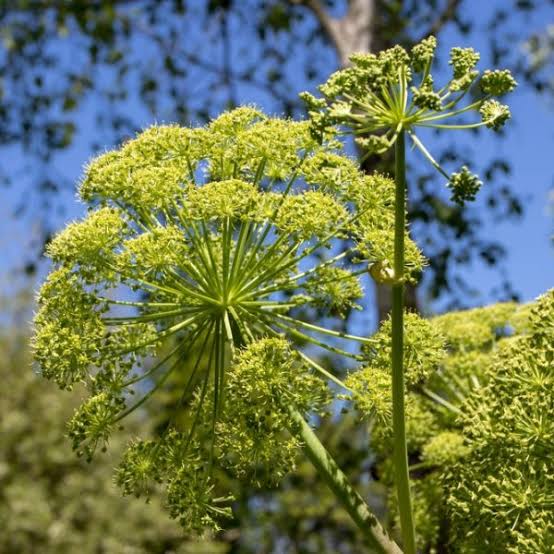

There’s something almost mystical about the angelica plant. It towers up to six feet tall in a garden, unfurls giant umbrella-shaped flower clusters that hum with bees, and carries a name straight out of a medieval legend — one that claims an archangel himself revealed its healing powers to a monk during the plague. Whether or not you believe the folklore, one thing is certain: angelica has been treasured by herbalists, monks, distillers, and home gardeners for over a thousand years, and it’s having a genuine comeback moment in the world of natural wellness, craft cocktails, and cottage gardening here in the United States.
So what exactly is angelica? Is it safe? What’s it actually used for? And how do you grow it, harvest it, or use it in your own kitchen or herbal medicine cabinet? Pour yourself something warm, get comfortable, and let’s walk through everything you need to know about this fascinating, fragrant, and deeply historic plant.
By the time you finish this guide, you’ll understand:
- What angelica is and where it comes from
- The legendary history behind its “angel” name
- The key differences between Angelica archangelica and Angelica sinensis (dong quai)
- The traditional and modern uses of angelica root, seed, leaf, and stem
- What the science actually says about its potential health benefits
- How to grow angelica in your own garden, step by step
- How to harvest, dry, and store it properly
- Culinary uses, including its famous role in gin and herbal liqueurs
- Safety considerations and who should avoid it
- Answers to the most frequently asked angelica questions
Let’s get into it.
What Is Angelica? (The Quick Answer)
Angelica is a tall, aromatic biennial or perennial herb belonging to the Apiaceae family — the same botanical family as fennel, parsley, dill, celery, caraway, and anise. The most well-known and widely used species is Angelica archangelica, sometimes called garden angelica, wild celery, or European angelica.
Quick Facts at a Glance:
- Botanical name: Angelica archangelica (also known as Archangelica officinalis)
- Family: Apiaceae (the carrot/parsley family)
- Native range: Northern Europe, Scandinavia, and Siberia
- Height: Can grow up to 6–8 feet tall (some sources note it can reach even taller under ideal conditions)
- Life cycle: Typically biennial — grows foliage in year one, flowers and seeds in year two
- Parts used: Root, seed, leaf, stem, and fruit
- Common uses: Herbal digestive tonic, flavoring for gin and liqueurs, candied garnish, folk remedy for coughs and colds
- Flavor/aroma: Warm, musky, slightly sweet, and reminiscent of juniper, celery, and licorice
Angelica isn’t just one plant, either — the genus Angelica actually includes somewhere between 60 and 90 different aromatic species found across Asia, Europe, and North America. The two most famous and well-studied members of the family are European angelica (Angelica archangelica) and Chinese angelica, better known as dong quai (Angelica sinensis), which plays a major role in traditional Chinese medicine, particularly for women’s health.
The Legend Behind the Name: Why Is It Called “Angelica”?
Few herbs come with a backstory as dramatic as angelica’s. According to medieval folklore, during a devastating outbreak of plague in Europe, a monk received a vision from the Archangel Michael, who revealed that this particular plant held the power to protect against the deadly disease. Grateful villagers began referring to it as the “angel herb,” and the name stuck — giving us the botanical name Angelica archangelica that we still use today.
Here’s how that legend shaped centuries of tradition:
- It became a “protective” herb. Throughout the Middle Ages, angelica was planted in monastery gardens and used as a talisman against illness, believed to ward off plague, poison, and evil spirits alike.
- Herbalists praised it as a cure-all. The famous 17th-century herbalist Nicholas Culpeper wrote glowingly about angelica, describing it as a plant that resisted poison and comforted the heart and spirit.
- The Saami people of Scandinavia treated it as sacred, using it in both spiritual practice and traditional medicine as far back as the 12th century.
- It became a staple of fasting diets. Candied angelica stalks and roots were traditionally eaten to help protect the body during periods of religious fasting.
Whether you take the legend literally or see it as a beautiful piece of folklore, it’s clear that angelica has occupied a special, almost sacred place in Western herbal tradition for well over a thousand years.
Angelica archangelica vs. Angelica sinensis (Dong Quai): What’s the Difference?
This is one of the most common points of confusion, so let’s clear it up right away. While both plants belong to the same genus and share some overlapping traditional uses, they are not the same plant and are used quite differently.
- Angelica archangelica (European angelica):
- Native to Northern Europe and Siberia
- The entire plant — root, stem, leaf, and seed — is traditionally used
- Primarily used in European herbal medicine for digestion, respiratory support, and circulation
- Also widely used in the food and beverage industry, especially in gin and herbal liqueurs
- Angelica sinensis (dong quai):
- Native to China and used extensively in Traditional Chinese Medicine (TCM)
- Typically only the root is used
- Traditionally referred to as “female ginseng” because of its long history of use in women’s health, particularly for menstrual and hormonal support
- A key ingredient in classical TCM formulas designed to “nourish the blood” and relieve fatigue
Bottom line: if you see “angelica root” on a supplement label or in a recipe, it’s worth checking which species is being referenced, since Angelica archangelica and Angelica sinensis have different traditional uses, different chemical profiles, and different safety considerations.
What Does Angelica Look Like? A Botanical Snapshot
If you’ve never seen angelica growing in person, it’s an unforgettable sight. Here’s what makes it so visually striking:
- Massive size: Mature angelica plants can tower several feet tall, often reaching well over head-height by the time they flower.
- Hollow, ribbed stems: The thick, hollow stems are one of angelica’s most distinctive features, and they’re part of why the plant has historically been candied and eaten as a sweet treat.
- Large, feathery compound leaves: The foliage is lush, green, and deeply divided, giving the plant an almost tropical, jungle-like appearance in a temperate garden.
- Dramatic flower umbels: In its second year, angelica produces enormous, globe-like clusters of small white or pale greenish flowers, arranged in the classic “umbrella” shape typical of the Apiaceae family. These umbels practically vibrate with pollinator activity when in bloom.
- Aromatic roots: Beneath the soil, angelica develops a thick, aromatic taproot, which is the part most commonly harvested for medicinal and culinary use.
Because of its architectural size and striking flowers, angelica has become a favorite among gardeners looking to add drama, height, and pollinator appeal to an herb garden or cottage-style border.

Traditional and Historical Uses of Angelica
For more than a thousand years, angelica has held a respected place in the herbal medicine traditions of Northern Europe. Here’s a look at how different parts of the plant have traditionally been used:
- As a digestive bitter: Angelica root has long been used as a bitter digestive tonic, traditionally taken before or after meals to help stimulate digestive enzymes and bile flow, easing bloating, gas, and sluggish digestion.
- For respiratory support: Traditional European herbalists used angelica to help soothe coughs, colds, and general respiratory discomfort.
- For circulation and vitality: Angelica has historically been described as a “warming” herb, used to support circulation, especially for people who tend to feel cold, fatigued, or run-down.
- For rheumatic and muscular discomfort: Angelica root has traditionally been applied or consumed to help ease rheumatic pain and general aches.
- As a protective and spiritual herb: Beyond its physical uses, angelica carried deep symbolic meaning in Northern European folklore, associated with protection, strength, and guidance.
- In monastery medicine gardens: Monastic herbalists throughout medieval Europe cultivated angelica specifically for its wide range of traditional therapeutic applications.
It’s worth noting that while these traditional uses are well documented historically, modern scientific research on angelica is still fairly limited, and many of its traditional applications haven’t been rigorously tested in large clinical studies. That doesn’t diminish its cultural importance — but it does mean it should be approached thoughtfully rather than as a guaranteed cure for any condition.
What Does Modern Science Say About Angelica’s Potential Benefits?
While angelica has a long folk history, researchers have also taken a closer look at its chemistry in recent decades. Angelica archangelica contains a variety of bioactive compounds, including coumarins and essential oils, that may be responsible for some of its traditional effects. Here’s what preliminary research suggests, while keeping in mind that much of this evidence is still early-stage:
- Digestive support: Angelica’s naturally bitter compounds may help stimulate digestive secretions, which aligns with its long-standing traditional use as a digestive tonic.
- Potential antimicrobial properties: Some studies point to angelica’s essential oil having antimicrobial characteristics, lending some scientific credibility to its historical use as a “protective” herb.
- Possible anti-anxiety effects: Research on angelica’s coumarin compounds has explored their potential role in reducing anxiety-like behavior in laboratory studies.
- Interest in anticancer and antifungal properties: Some preliminary research has examined compounds in Angelica archangelica for their potential to act against certain cancer cells and fungal organisms, though this research is still in early stages and far from conclusive for human treatment.
- Traditional use for memory and cognitive support: Angelica has traditionally been used to support memory and mental clarity, although rigorous scientific evidence for this specific use remains limited.
- Use in smoking cessation research: Interestingly, angelica has even been studied in small aromatherapy trials exploring its potential role in reducing nicotine cravings.
An important caveat: despite this range of interesting traditional and preliminary research, health authorities are clear that there currently isn’t enough robust scientific evidence to confirm most of angelica’s medicinal claims. If you’re considering angelica for a specific health concern, it’s important to talk with a knowledgeable healthcare provider first, especially since herbal supplements aren’t regulated with the same rigor as pharmaceutical medications in the U.S.
Culinary Uses of Angelica: More Than Just Medicine
Angelica isn’t only found in the herbalist’s cabinet — it also has a rich culinary history, and it’s experiencing a genuine renaissance among American mixologists, bakers, and foragers today.
- Candied angelica stalks: One of the most iconic culinary uses of angelica is candying its hollow stems in sugar syrup, creating a sweet, slightly floral, chewy treat historically used to decorate cakes and pastries — you may recognize the bright green candied strips from vintage fruitcake recipes.
- Gin and spirits production: Angelica root is a classic botanical used in gin production, contributing an earthy, slightly musky backbone that helps other botanicals — like juniper and citrus peel — shine.
- Herbal liqueurs and bitters: Angelica has long been a key ingredient in famous European herbal liqueurs, including Chartreuse and Benedictine, prized for its warming, harmonizing flavor profile.
- Craft cocktail bitters: Modern mixologists are increasingly using angelica root in house-made bitters, drawing on its centuries-old reputation as a warming, digestive-friendly botanical.
- Herbal teas: Angelica root and seed are sometimes brewed into herbal teas, often blended with other digestive herbs like fennel or chamomile.
- Savory seasoning: In some traditional Northern European cooking, young angelica stems and leaves have been used to season fish dishes and soups, lending a subtle celery-like, aromatic quality.
If you enjoy craft cocktails, herbal bitters, or artisanal baking, there’s a good chance you’ve already tasted angelica without even realizing it — it’s a quiet, behind-the-scenes flavor workhorse in many beloved recipes and spirits.
How to Grow Angelica in Your Own Garden
Angelica makes a stunning addition to an herb garden, cottage garden, or pollinator garden, thanks to its dramatic height and enormous flower clusters. Here’s a step-by-step overview for growing it successfully at home:
Ideal growing conditions:
- Climate: Angelica thrives in cool climates and doesn’t love intense summer heat, making it well-suited to northern and temperate regions of the U.S.
- Sunlight: Partial shade is ideal, though angelica can tolerate more sun in cooler climates.
- Soil: Moist, well-drained, and rich in organic matter. Angelica does not like to dry out completely.
- Spacing: Because of its large mature size, plants should be spaced roughly 18 inches apart to allow room for growth.
Step-by-step planting guide:
- Start with fresh seed. Angelica seed loses viability quickly, so use fresh seed whenever possible for the best germination rate.
- Cold-stratify the seeds. Angelica seeds typically require a period of cold exposure to germinate successfully, so sow them in early spring or late autumn to mimic natural conditions.
- Sow seeds shallowly. Angelica seeds generally need light to germinate, so press them gently into the soil surface rather than burying them deeply.
- Keep soil consistently moist. Water regularly, especially during germination and the first year of growth, without allowing the soil to become waterlogged.
- Be patient — it’s a biennial. In most cases, angelica focuses on leafy growth in its first year and doesn’t flower until its second year.
- Stake tall plants if needed. Once angelica reaches its full height, especially in windy areas, staking can help prevent the tall flower stalks from toppling over.
- Deadhead or let it self-seed. If you want angelica to return year after year, allow some flower heads to go to seed and drop naturally. If you’d prefer to control its spread, cut back spent flower stalks before they set seed.
- Prune damaged foliage. Regularly removing dead or damaged leaves helps maintain plant health and encourages vigorous new growth.
Bonus tip for pollinator gardens: Angelica’s massive flower umbels are absolute magnets for bees, butterflies, and other beneficial pollinators, making it a wonderful addition if you’re trying to create a wildlife-friendly backyard.
Harvesting and Storing Angelica
Timing matters when it comes to harvesting angelica, since different parts of the plant are typically gathered at different life stages.
- Roots: Traditionally harvested in the fall of the first year, before the plant puts its energy into flowering, when the root’s aromatic oils are considered most concentrated.
- Leaves and stems: Usually harvested in spring or early summer of either year, while the foliage is still tender and vibrant.
- Seeds: Collected in late summer of the second year, once the flower umbels have matured and dried on the plant.
Drying and storage tips:
- Wash and trim roots thoroughly, then slice them into smaller pieces to help them dry evenly.
- Dry roots, leaves, and seeds in a cool, well-ventilated area away from direct sunlight, or use a dehydrator on a low setting.
- Once fully dried, store angelica in an airtight container, away from heat, light, and moisture, to preserve its aromatic oils.
- Properly dried and stored angelica root can retain its potency for up to a year or more, though for the strongest flavor and aroma, it’s best used within several months.
Angelica Safety: Precautions, Side Effects, and Who Should Avoid It
While angelica has a long history of traditional use, it’s not automatically risk-free for everyone. Here are some important safety considerations to keep in mind:
- Photosensitivity risk: Angelica contains coumarin compounds that can increase skin sensitivity to sunlight in some individuals, so caution is advised, especially with concentrated extracts or essential oils applied to the skin.
- Pregnancy and breastfeeding: Angelica, particularly Angelica sinensis, has traditionally been associated with effects on the uterus and menstrual cycle, so it’s generally recommended that pregnant or breastfeeding individuals avoid it unless specifically guided by a healthcare provider.
- Blood-thinning medications: Because certain angelica compounds may have mild blood-thinning properties, people taking anticoagulant or antiplatelet medications should consult a doctor before use.
- Limited safety data overall: Health authorities note that there simply isn’t enough reliable research to confirm angelica is safe as a regular medicinal supplement for everyone, which is an important reason to approach it with informed caution.
- Culinary vs. medicinal amounts: Angelica is generally considered safe when used in typical food amounts, such as small culinary flavoring or occasional candied treats — the bigger safety questions arise around concentrated medicinal doses or long-term supplement use.
- Allergic reactions: As with any member of the Apiaceae (carrot/celery) family, individuals with known allergies to related plants like celery, fennel, or parsley should introduce angelica cautiously.
As always, if you’re considering angelica for a specific health condition, it’s best to speak with a knowledgeable healthcare provider, especially if you’re pregnant, nursing, managing a chronic condition, or taking prescription medications.
Angelica in Modern Herbalism and Wellness Culture
Angelica’s popularity has surged again in recent years, especially within the broader herbalism and natural wellness movement here in the U.S. Here’s why modern herbalists and wellness enthusiasts are rediscovering this ancient plant:
- A resurgence in bitters culture: As more people explore traditional digestive bitters before meals, angelica root has found a new audience among home herbalists crafting their own tinctures and bitters blends.
- Ornamental garden appeal: With the growing popularity of cottage gardens, pollinator gardens, and heirloom plant collecting, angelica’s dramatic height and flowers have made it a favorite among American gardeners seeking something bold and unusual.
- Craft spirits renaissance: As small-batch and artisanal gin distilleries have exploded across the U.S., angelica root has become a sought-after botanical for distillers looking to create complex, historically inspired flavor profiles.
- Interest in ancestral and folk remedies: There’s a broader cultural movement toward rediscovering traditional herbal remedies, and angelica’s thousand-year history makes it a natural fit for this renewed interest.
- Sustainable and foraged living: For those interested in foraging or growing their own medicinal herbs, angelica offers an accessible entry point into working with root-based botanicals.
Frequently Asked Questions About Angelica
What is angelica used for? Traditionally, angelica has been used as a digestive tonic, a respiratory remedy, a circulation-supporting herb, and a flavoring agent in gin, herbal liqueurs, and candied confections.
Is angelica the same as dong quai? No. While Angelica archangelica (European angelica) and Angelica sinensis (dong quai) belong to the same plant genus, they’re different species with different traditional uses — dong quai is specifically used in Traditional Chinese Medicine, particularly for women’s health.
Is angelica safe to eat? In typical culinary amounts, such as candied stalks or as a flavoring in beverages, angelica is generally considered safe for most people. Concentrated medicinal doses carry more safety considerations and should be discussed with a healthcare provider.
Can you grow angelica in the U.S.? Yes. Angelica grows especially well in cooler, temperate climates with partial shade and moist, well-drained soil, making it a great fit for many northern and temperate regions across the country.
Why is angelica used in gin? Angelica root has long been a classic gin botanical, valued for the earthy, slightly musky depth it adds, which helps balance and support other flavors like juniper and citrus.
What part of the angelica plant is used? Depending on the tradition and purpose, the root, stem, leaf, and seeds can all be used — the root is most common in herbal medicine, while the stems are traditionally candied for culinary use.
Does angelica interact with medications? It may interact with blood-thinning medications due to its coumarin content, so it’s important to speak with a healthcare provider if you’re on any prescription medications before using angelica supplements.
How long does dried angelica root last? When stored properly in an airtight container away from heat, light, and moisture, dried angelica root can typically retain its potency for up to a year or longer.
Why is it called “angelica”? According to medieval legend, the Archangel Michael revealed the plant’s healing properties to a monk during a plague outbreak, inspiring its name and reputation as a protective “angel herb.”
Is angelica the same as celery? No, though they’re related. Angelica and celery both belong to the Apiaceae family, which also includes parsley, fennel, dill, and caraway, giving them some similar aromatic and flavor characteristics despite being different plants.
Final Thoughts: A Thousand-Year-Old Herb Worth Rediscovering
Angelica is one of those rare plants that manages to be beautiful, historically fascinating, and genuinely useful all at once. From its legendary origin story tied to an archangel’s plague-fighting vision, to its long-standing role as a digestive tonic in European herbal medicine, to its modern-day fame as a beloved gin botanical, angelica has quietly shaped centuries of tradition across cultures.
Whether you’re a gardener drawn to its dramatic height and pollinator-friendly blooms, a home herbalist interested in crafting your own digestive bitters, or simply someone who loves learning about the deep history behind the ingredients in your favorite spirits, angelica offers something special. It’s a plant that connects the modern wellness movement back to centuries-old wisdom — and honestly, in a world full of trendy “new” superfoods, there’s something refreshing about an herb that’s been quietly doing its thing since medieval monastery gardens.
If you’re curious to explore angelica further, consider starting small: grow a plant in your garden, try a store-bought bitters blend that features it, or simply keep an eye out for it the next time you’re reading the botanical list on a bottle of gin. Sometimes the oldest ingredients turn out to be the most interesting ones.
#Angelica #AngelicaRoot #HerbalMedicine #HerbGarden #NaturalWellness #DigestiveHealth #HerbalRemedies #GardenHerbs #CottageGarden #PollinatorGarden #WellnessJourney #HolisticHealth #GinBotanicals #CraftCocktails #HerbalTea #PlantMedicine #FolkMedicine #EuropeanHerbs #GrowYourOwnHerbs #HerbalistLife #AncientRemedies #NaturalHealing #BitterHerbs #ApothecaryLife #MedicinalPlants #GardeningTips #HomeApothecary #HerbLovers #WellnessBlog #PlantPower
