
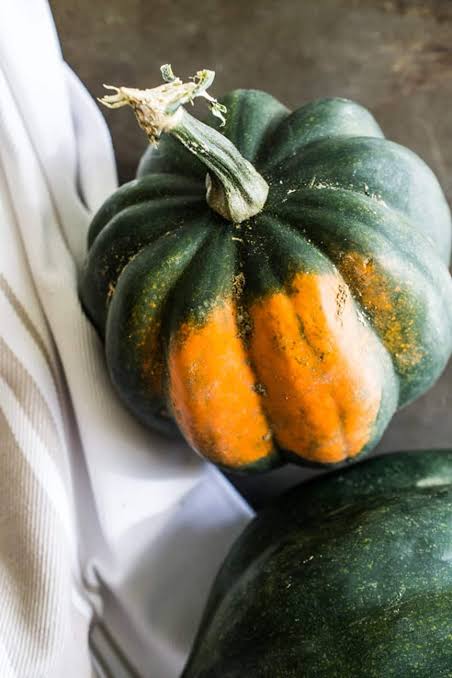

There’s a moment every autumn when the farmers market tables suddenly fill up with squash of every shape, size, and color imaginable. Butternut gets all the attention. Pumpkin gets its own entire season of lattes and candles. But tucked quietly in the corner, with its dark green, ridged, acorn-shaped body, sits one of the most versatile, nutritious, and downright delicious vegetables you can bring into your kitchen: the acorn squash.
If you’ve walked past it a hundred times without knowing quite what to do with it, this guide is for you. If you’ve only ever roasted it with a little butter and brown sugar (which, to be fair, is fantastic), you’re about to discover a whole world of possibilities you never knew existed. And if you’re simply curious about whether this humble winter squash deserves a permanent spot in your weekly meal rotation, the answer — spoiler alert — is a resounding yes.
By the end of this guide, you’ll know exactly what acorn squash is, why it’s so good for you, how to pick the perfect one at the store, every method for cooking it (roasting, baking, microwaving, air frying, slow cooking, and more), how to season it in ways that will make your kitchen smell like a cozy autumn dream, and a whole collection of recipe ideas to keep it in regular rotation all season long.
Let’s dig in.
Table of Contents
- What Is Acorn Squash?
- Acorn Squash Nutrition Facts: Why It’s a Nutritional Powerhouse
- Health Benefits of Acorn Squash
- How to Pick the Perfect Acorn Squash at the Store
- How to Store Acorn Squash (Whole, Cut, and Cooked)
- How to Cut and Prepare Acorn Squash Safely
- How to Cook Acorn Squash: Every Method Explained
- The Best Seasonings and Flavor Pairings for Acorn Squash
- Sweet vs. Savory Acorn Squash: Two Delicious Directions
- 15 Acorn Squash Recipe Ideas to Try This Season
- Acorn Squash for Special Diets (Keto, Vegan, Whole30, Gluten-Free)
- Acorn Squash vs. Other Winter Squash: What’s the Difference?
- Common Mistakes to Avoid When Cooking Acorn Squash
- Fun Facts and History of Acorn Squash
- Frequently Asked Questions
- Final Thoughts
1. What Is Acorn Squash?
Acorn squash (scientific name Cucurbita pepo var. turbinata) is a type of winter squash named for its distinctive shape, which resembles — you guessed it — a giant acorn. It has deep ridges running from top to bottom, a small, easy-to-hold size (usually about the size of a small melon), and a thick, dark green skin that’s often streaked with orange, especially as it ripens.
Despite being called a “winter squash,” acorn squash is actually harvested in the late summer and early fall. The “winter” designation simply refers to the fact that, thanks to its hard outer shell, it can be stored for months through the winter without spoiling — unlike delicate summer squashes such as zucchini, which need to be eaten within days of picking.
Inside, acorn squash reveals a pale orange-yellow flesh that’s slightly sweet, nutty, and just a touch earthy, with a texture that turns wonderfully creamy and tender once cooked. It has a small seed cavity in the center, similar to a pumpkin, filled with seeds that are absolutely edible and delicious when roasted (more on that later).
Quick facts:
- Family: Cucurbitaceae (same family as pumpkins, zucchini, and cucumbers)
- Season: Available late summer through winter, peaking in fall
- Flavor profile: Sweet, nutty, slightly earthy
- Texture when cooked: Tender, creamy, slightly fibrous
- Typical size: 1–3 pounds
- Skin: Edible once cooked, though most people prefer to scoop out the flesh
2. Acorn Squash Nutrition Facts: Why It’s a Nutritional Powerhouse
Let’s talk numbers for a moment, because acorn squash genuinely earns its “superfood-adjacent” reputation. A single cup of cooked, cubed acorn squash (about 205 grams) delivers an impressive nutritional package:
- Calories: Roughly 115 per cup — filling, but far from heavy
- Carbohydrates: About 30 grams, primarily from complex carbs and natural sugars
- Fiber: Roughly 9 grams — a serious fiber contribution for a single serving
- Protein: About 2 grams
- Fat: Virtually none, less than 1 gram
- Vitamin C: A significant source, supporting immune health
- Vitamin A: Present in meaningful amounts, important for eye and skin health
- Potassium: A substantial amount, often more per serving than a banana
- Magnesium: A solid contribution, supporting muscle and nerve function
- B Vitamins: Including folate, thiamin, and B6
- Antioxidants: Rich in carotenoids, the plant pigments responsible for its orange flesh
What makes this nutritional profile so impressive isn’t just the individual numbers — it’s the combination. You’re getting a low-fat, high-fiber, nutrient-dense food that also happens to taste like dessert when roasted with a little cinnamon. That’s a rare combination in the vegetable world.
3. Health Benefits of Acorn Squash
Beyond the numbers on a nutrition label, here’s what all of that actually does for your body.
- Supports digestive health. With nearly 9 grams of fiber per cup, acorn squash is a genuine ally for regular digestion and a healthy gut microbiome. Fiber also helps you feel fuller for longer, which can be a real asset if you’re managing your weight.
- Boosts immune function. The generous vitamin C content helps support your immune system, especially valuable heading into cold and flu season, when acorn squash happens to be in peak supply.
- Promotes heart health. The potassium content helps regulate blood pressure by counteracting the effects of sodium, while the fiber content can help support healthy cholesterol levels.
- Supports healthy vision and skin. The vitamin A and carotenoid content (the same pigments that give it that beautiful orange color) play an important role in eye health and skin cell renewal.
- Helps stabilize blood sugar. Despite its natural sweetness, acorn squash has a relatively moderate glycemic impact thanks to its high fiber content, which slows the absorption of its natural sugars into your bloodstream.
- Supports bone health. It contains a combination of magnesium, calcium, and vitamin K that contributes to overall bone strength.
- A naturally low-fat, nutrient-dense food. For anyone watching calorie intake without wanting to sacrifice volume or satisfaction, acorn squash offers a lot of nutritional bang for a very reasonable caloric buck.
- Anti-inflammatory properties. The antioxidants in acorn squash, particularly the carotenoids, are associated with reduced inflammation markers in the body.
- Naturally gluten-free and allergen-friendly. Acorn squash fits seamlessly into virtually any dietary framework, making it an easy, safe addition to almost any table.
4. How to Pick the Perfect Acorn Squash at the Store
Not all acorn squash are created equal, and picking a good one makes a genuine difference in your final dish. Here’s what to look for.
- Look for a matte, dull skin rather than a shiny, glossy one. A shiny skin often means the squash was picked too early and hasn’t fully matured.
- Check the weight. Pick it up — a good acorn squash should feel heavy and dense for its size. A lightweight squash may have dried out or started to hollow inside.
- Inspect the color. Look for deep green skin, ideally with a patch of orange where it rested on the ground. That orange patch is a good sign of ripeness, not a flaw.
- Avoid soft spots, cuts, or bruises. These are early signs of decay and will spread quickly once you bring it home.
- Tap the stem. A firm, intact stem is a good indicator of freshness. If the stem is missing entirely, the squash may spoil faster since that opening lets in bacteria and moisture.
- Size matters for cooking time, not quality. Smaller squash cook faster and are great for individual servings; larger ones are better for feeding a crowd or dishes where you’ll be cubing the flesh anyway.

5. How to Store Acorn Squash (Whole, Cut, and Cooked)
Proper storage is the difference between enjoying acorn squash for months versus watching it go soft and sad on your counter within a week.
Whole, uncut acorn squash:
- Store in a cool, dry, well-ventilated place — a pantry, cellar, or garage shelf works great.
- Ideal temperature range is around 50–55°F.
- Stored this way, whole acorn squash can last 1 to 3 months.
- Avoid refrigerating whole squash, since the cold and humidity of a fridge can actually accelerate spoilage.
Cut, raw acorn squash:
- Wrap tightly in plastic wrap or place in an airtight container.
- Store in the refrigerator for up to 5 days.
- The cut, exposed flesh is much more vulnerable to bacteria than the intact skin, so don’t push this timeline.
Cooked acorn squash:
- Cool completely before storing.
- Store in an airtight container in the refrigerator for 3 to 5 days.
- For longer storage, cooked and mashed or cubed acorn squash freezes beautifully for up to 6 months — just thaw in the fridge overnight before reheating.
6. How to Cut and Prepare Acorn Squash Safely
Acorn squash has a reputation for being tricky to cut, mostly because of its hard, ridged skin. Here’s how to make it painless.
Step 1: Soften it slightly (optional but helpful). If you’re struggling with a particularly hard squash, microwave it whole for 2–3 minutes to slightly soften the skin before cutting. This makes the next steps significantly safer and easier.
Step 2: Stabilize it. Slice a thin piece off the bottom (not through the middle) so the squash sits flat and doesn’t roll around while you work.
Step 3: Cut it in half. Stand the squash upright and carefully slice straight down through the stem, using a sturdy, sharp chef’s knife. Use steady, controlled pressure rather than trying to force it through in one motion.
Step 4: Scoop out the seeds. Use a sturdy spoon (an ice cream scoop works great) to scrape out the seeds and stringy pulp from the center cavity, just like you would with a small pumpkin.
Step 5: Cut into your desired shape.
- For roasted halves: leave as-is.
- For rings: slice horizontally into 1-inch rounds (this is a beautiful presentation option).
- For cubes: peel first, then dice into even 1-inch pieces for even cooking.
Step 6: Save the seeds. Don’t throw them away — rinse, pat dry, toss with a little oil and salt, and roast them just like pumpkin seeds for a fantastic, zero-waste snack.
7. How to Cook Acorn Squash: Every Method Explained
Here’s where things get fun. Acorn squash is remarkably adaptable, and different cooking methods bring out different qualities in its flavor and texture.
🔥 Roasting (the classic, most popular method)
- Preheat oven to 400°F.
- Cut squash in half, scoop out seeds, and place cut-side up on a baking sheet.
- Drizzle with olive oil or melted butter, season with salt and pepper (or your favorite sweet or savory blend).
- Roast for 40–50 minutes, until the flesh is fork-tender and the edges start to caramelize.
- Why it works: Roasting concentrates the natural sugars and creates gorgeous caramelization at the edges.
🍞 Baking (stuffed acorn squash method)
- Roast the halves cut-side up until just tender (about 30 minutes).
- Fill the cavity with your stuffing of choice (grains, sausage, vegetables, cheese).
- Return to the oven for another 15–20 minutes until the filling is hot and golden.
- Why it works: The squash becomes an edible bowl, making for a stunning, all-in-one presentation.
⚡ Microwaving (the fast weeknight method)
- Pierce the whole squash a few times with a fork.
- Microwave whole for 5–7 minutes to soften, then carefully cut in half and scoop out seeds.
- Microwave the halves, cut-side down, in a dish with a splash of water for another 8–10 minutes until tender.
- Why it works: This is by far the fastest method when you’re short on time, though it won’t give you the caramelized edges roasting provides.
🌬️ Air Frying (the crispy-edge method)
- Cut squash into rings or cubes.
- Toss with a little oil and seasoning.
- Air fry at 380°F for 15–20 minutes, shaking halfway through.
- Why it works: Delivers beautifully caramelized, slightly crispy edges in a fraction of the time roasting takes.
🍲 Slow Cooking
- Place whole or halved squash in the slow cooker with a small splash of water or broth.
- Cook on low for 6–7 hours or high for 3–4 hours.
- Why it works: Fantastic hands-off method, especially useful if you’re using the oven for other dishes (hello, Thanksgiving).
💨 Instant Pot / Pressure Cooking
- Add 1 cup of water to the pot, place squash halves on a trivet.
- Pressure cook on high for 8–10 minutes, then quick release.
- Why it works: Incredibly fast and consistent, perfect for busy weeknights.
🍳 Sautéing (for cubed squash)
- Peel and cube the squash, then sauté in a hot pan with oil or butter over medium heat for 12–15 minutes, stirring occasionally.
- Why it works: Great for quick side dishes or adding to grain bowls and stir-fries.
8. The Best Seasonings and Flavor Pairings for Acorn Squash
Acorn squash has a naturally sweet, nutty flavor that acts like a blank canvas — it takes beautifully to both sweet and savory seasoning directions.
Sweet flavor pairings:
- Brown sugar and cinnamon
- Maple syrup and a pinch of nutmeg
- Honey and a touch of orange zest
- Butter, cinnamon, and a sprinkle of pecans
- Vanilla and a dash of allspice
Savory flavor pairings:
- Garlic, rosemary, and olive oil
- Smoked paprika and cumin
- Sage, brown butter, and parmesan
- Chili powder and lime
- Curry powder and coconut oil
- Balsamic glaze and thyme
Herbs that pair especially well:
- Sage
- Thyme
- Rosemary
- Cilantro (for a bright, fresh contrast)
Proteins and add-ins that pair beautifully:
- Crumbled sausage or bacon
- Black beans or chickpeas
- Toasted walnuts or pecans
- Goat cheese or feta
- Dried cranberries for a sweet-tart contrast
- Quinoa or wild rice for a heartier stuffed version
9. Sweet vs. Savory Acorn Squash: Two Delicious Directions
One of the most fun things about acorn squash is that it genuinely shines in two completely different flavor directions, which means it never has to get boring.
Going sweet turns acorn squash into something that feels almost like dessert — think brown sugar, cinnamon, butter, and maybe even a scoop of vanilla ice cream melting into the warm flesh straight out of the oven. This direction is a holiday table favorite for a reason.
Going savory transforms it into a hearty, satisfying main or side dish — think garlic and herbs, a stuffed cavity loaded with sausage and rice, or simply roasted cubes tossed into a warm autumn grain bowl with tahini dressing.
The takeaway: don’t feel boxed into one style. Depending on your mood, the same vegetable can headline a holiday dessert table or anchor a hearty weeknight dinner.
10. 15 Acorn Squash Recipe Ideas to Try This Season
- Classic Roasted Acorn Squash — Halved, brushed with butter, brown sugar, and cinnamon, roasted until caramelized.
- Sausage and Apple Stuffed Acorn Squash — Roasted halves filled with a savory-sweet mixture of ground sausage, diced apple, onion, and sage.
- Maple Roasted Acorn Squash Rings — Sliced into rings, drizzled with maple syrup, and roasted until the edges caramelize.
- Acorn Squash and Black Bean Tacos — Roasted cubes tossed with cumin and chili powder, served in warm tortillas with black beans and lime crema.
- Creamy Acorn Squash Soup — Roasted squash blended with broth, coconut milk, garlic, and warm spices for a silky, comforting soup.
- Quinoa-Stuffed Acorn Squash — Filled with a mixture of quinoa, dried cranberries, walnuts, and feta cheese.
- Acorn Squash and Kale Grain Bowl — Roasted cubes over a bed of farro or quinoa with massaged kale, tahini dressing, and pumpkin seeds.
- Brown Butter Sage Acorn Squash — Roasted halves drizzled with browned butter, crispy sage leaves, and a touch of parmesan.
- Acorn Squash Risotto — Cubes folded into a creamy risotto with parmesan and a touch of nutmeg.
- Curried Acorn Squash and Chickpea Stew — Cubed squash simmered in coconut milk with curry spices and chickpeas.
- Acorn Squash Breakfast Bowls — Roasted squash topped with a fried egg, avocado, and everything bagel seasoning.
- Honey-Roasted Acorn Squash with Pecans — A simple, elegant holiday side dish that comes together in under an hour.
- Acorn Squash Mac and Cheese — Puréed roasted squash blended into a creamy cheese sauce for extra richness and nutrition.
- Stuffed Acorn Squash with Wild Rice and Cranberries — A stunning vegetarian centerpiece, perfect for Thanksgiving.
- Roasted Acorn Squash Seeds — Don’t forget the seeds; toss with olive oil, salt, and smoked paprika, then roast at 325°F for 20 minutes for a crunchy snack.
11. Acorn Squash for Special Diets
Keto: Acorn squash is higher in carbs than some other vegetables, so strict keto followers often use it in moderation and smaller portions rather than as a staple.
Vegan: Naturally plant-based, acorn squash is a fantastic centerpiece for vegan main dishes, especially stuffed with grains, legumes, and vegetables.
Whole30: Fully compliant as long as your seasonings and add-ins (like sausage or dressings) also meet Whole30 standards.
Gluten-Free: Naturally gluten-free, making it a safe, versatile ingredient across gluten-free meal plans.
Paleo: Fits easily into a paleo framework, especially when paired with proteins like sausage, bacon, or roasted meats.
Low-Sodium: Naturally low in sodium in its raw state, giving you full control over seasoning levels.
12. Acorn Squash vs. Other Winter Squash: What’s the Difference?
| Squash Type | Flavor | Texture | Best Uses |
| Acorn Squash | Sweet, nutty, slightly earthy | Tender, slightly fibrous | Roasting, stuffing, halves |
| Butternut Squash | Very sweet, buttery | Smooth, creamy | Soups, purées, roasting |
| Spaghetti Squash | Mild, neutral | Stringy, noodle-like | Low-carb pasta substitute |
| Delicata Squash | Sweet, corn-like | Thin, edible skin | Roasting, sliced rings |
| Kabocha Squash | Very sweet, dense | Dry, chestnut-like | Tempura, roasting, mashing |
| Hubbard Squash | Mild, slightly sweet | Dense, hearty | Baking, pies, large batch cooking |
Acorn squash carves out its own niche thanks to its perfect single-serving size, its beautiful natural “bowl” shape for stuffing, and a flavor that balances sweetness and earthiness better than almost any other winter squash on this list.
13. Common Mistakes to Avoid When Cooking Acorn Squash
- Not piercing or softening a whole squash before microwaving — this can cause pressure buildup and, in rare cases, even cause the squash to burst.
- Cutting into a fully hard, cold squash without stabilizing it first — always slice a flat base to prevent it from rolling under your knife.
- Overcooking until mushy — while tenderness is the goal, overcooking can turn the texture watery and unappetizing rather than creamy.
- Underseasoning — acorn squash’s flesh is fairly mild, so don’t be shy with salt, spices, or your sweet-savory seasoning of choice.
- Throwing away the seeds — they’re a delicious, nutritious, zero-waste snack that too many people skip.
- Not draining excess moisture in stuffed versions — watery stuffing ingredients can make the finished dish soggy; pat down or lightly cook wet ingredients first.
- Forgetting to check for doneness with a fork — a squash that looks done on the outside can still be firm inside; always test with a fork in the thickest part of the flesh.
14. Fun Facts and History of Acorn Squash
- Acorn squash is native to North America and has been cultivated by Indigenous peoples for thousands of years, long before European colonization.
- It’s technically a fruit from a botanical standpoint, since it develops from a flowering plant and contains seeds — though it’s used and categorized as a vegetable in cooking.
- The dark green variety is the most common, but acorn squash also comes in golden/orange, white, and multicolor varieties.
- Its hard shell was historically valued specifically because it allowed Indigenous communities and early settlers to store food through long winters without refrigeration.
- Acorn squash belongs to the same species as zucchini and yellow summer squash, even though their textures and uses couldn’t be more different.
15. Frequently Asked Questions
Can you eat acorn squash skin? Yes, once cooked, the skin becomes tender enough to eat, though many people still prefer to scoop out and eat just the flesh for texture reasons.
Do you need to peel acorn squash before cooking? Not if you’re roasting halves or rings — the skin holds everything together and becomes edible. If you’re making cubes for a soup or sauté, peeling first gives a smoother final texture.
How do you know when acorn squash is done cooking? It should be easily pierced with a fork, and the flesh should feel soft and creamy, not firm or resistant.
Is acorn squash healthy? Yes — it’s low in fat, high in fiber, and rich in vitamins A and C, potassium, and antioxidants, making it one of the healthier starchy vegetables you can regularly include in your diet.
Can you freeze acorn squash? Absolutely. Cooked and mashed or cubed acorn squash freezes well for up to 6 months in an airtight, freezer-safe container.
What does acorn squash taste like? A mild, slightly sweet, nutty flavor with subtle earthy undertones — often compared to a milder, less sweet cousin of butternut squash.
Can dogs eat acorn squash? Plain, cooked acorn squash (no butter, sugar, or spices) is generally considered safe for dogs in moderation, but it’s always best to check with your veterinarian first.
How long does it take to roast acorn squash? Typically 40–50 minutes at 400°F for halves, though smaller pieces like cubes or rings cook faster, usually in 25–35 minutes.
16. Final Thoughts
Acorn squash might not have the celebrity status of pumpkin or the trendy Instagram presence of butternut squash purée, but it deserves a permanent, well-loved spot in your fall and winter kitchen rotation. It’s affordable, it stores well, it’s endlessly adaptable between sweet and savory, and it delivers a genuinely impressive nutritional punch in every single bite.
Whether you’re roasting simple halves brushed with butter and brown sugar on a cozy Sunday afternoon, building an elegant stuffed centerpiece for your holiday table, or blending it into a silky soup on a cold weeknight, acorn squash rewards a little bit of kitchen curiosity with a whole lot of comforting, satisfying flavor.
So next time you’re wandering the produce aisle or your local farmers market and you see those ridged, dark green shells stacked up in a pile, don’t walk past them. Pick one up, feel the weight of it in your hand, and bring a little bit of genuine autumn comfort home with you.
#AcornSquash #WinterSquash #FallRecipes #HealthyEating #SeasonalEating #ComfortFood #PlantBasedRecipes #VeganRecipes #WholeFoods #HealthyRecipes #RoastedVegetables #FarmToTable #AutumnFlavors #SquashSeason #ClimateFriendlyEating #HealthyCooking #GlutenFreeRecipes #Whole30Recipes #FallHarvest #NutritiousFood #EasyRecipes #HomeCooking #FoodieLife #CookingFromScratch #HealthyLifestyle #StuffedSquash #FallDinnerIdeas #ThanksgivingSides #KitchenInspiration #EatSeasonal
