
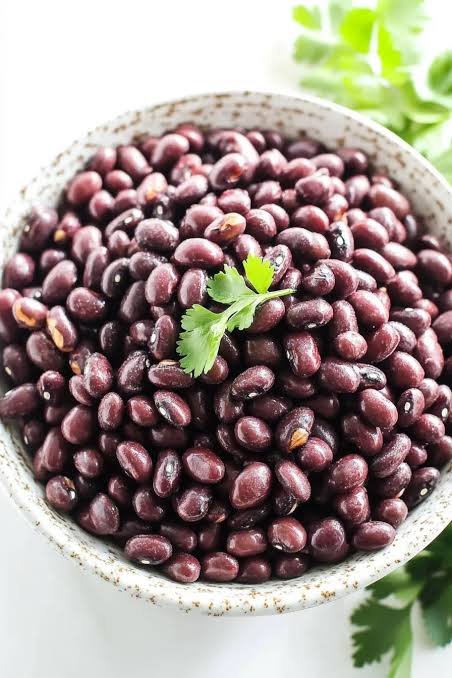

If you’ve ever bitten into a mochi filled with sweet red bean paste, sipped a red bean smoothie at a Japanese café, or spooned into a bowl of Korean red bean shaved ice on a hot summer day, you’ve already met the adzuki bean — you just might not have known its name. This small, deep-red, slightly sweet legume has been quietly nourishing people across East Asia for thousands of years, and it’s finally getting the recognition it deserves in Western kitchens too.
Adzuki beans (sometimes spelled aduki or azuki) are one of those rare ingredients that check every box: they’re nutrient-dense, naturally sweet without added sugar, incredibly versatile between sweet and savory dishes, easy to digest compared to many other legumes, and steeped in centuries of culinary tradition. They show up in everything from traditional Japanese desserts to hearty Chinese soups to modern plant-based protein bowls, and once you understand how to cook and season them, you’ll wonder why they weren’t already a pantry staple in your home.
This guide is going to walk you through everything — what adzuki beans actually are, why nutritionists love them, how to buy, soak, and cook them properly, the cultural dishes that made them famous, modern recipe ideas for your everyday kitchen, and answers to every question you might have along the way.
Let’s get into it.
Table of Contents
- What Are Adzuki Beans?
- Adzuki Bean Nutrition Facts: A Genuine Nutritional Powerhouse
- Health Benefits of Adzuki Beans
- Adzuki Beans in Traditional Asian Cuisine
- How to Buy the Best Adzuki Beans
- How to Soak and Prepare Adzuki Beans
- How to Cook Adzuki Beans: Every Method Explained
- How to Make Traditional Sweet Red Bean Paste (Anko)
- Sweet vs. Savory: Two Delicious Directions for Adzuki Beans
- 15 Adzuki Bean Recipe Ideas to Try
- Adzuki Beans for Special Diets (Vegan, Gluten-Free, High-Protein, Low-Glycemic)
- Adzuki Beans vs. Other Beans: What Makes Them Different?
- How to Store Adzuki Beans (Dry, Cooked, and Frozen)
- Common Mistakes to Avoid When Cooking Adzuki Beans
- Fun Facts and the History of Adzuki Beans
- Frequently Asked Questions
- Final Thoughts
1. What Are Adzuki Beans?
Adzuki beans (Vigna angularis) are small, oval-shaped legumes with a deep maroon-red color, a thin white ridge along one edge, and a subtly sweet, nutty flavor that sets them apart from most other beans. They’re native to East Asia, where they’ve been cultivated for over 2,000 years, and they remain a cornerstone ingredient throughout Japanese, Chinese, and Korean cuisine to this day.
Unlike many legumes that lean savory by default, adzuki beans have a naturally sweet undertone that makes them uniquely suited to desserts — most famously as the base for sweet red bean paste, used in countless traditional treats. But don’t let their dessert fame fool you: adzuki beans are just as delicious in savory soups, stews, rice dishes, and grain bowls.
Quick facts:
- Botanical family: Fabaceae (the legume family)
- Color: Deep red to maroon, with a small white ridge
- Flavor profile: Mildly sweet, nutty, earthy
- Texture when cooked: Soft, slightly starchy, holds its shape well
- Cooking time: Faster than most dried beans — no soaking strictly required
- Common forms: Dried, canned, sweetened paste, powder, sprouted
2. Adzuki Bean Nutrition Facts: A Genuine Nutritional Powerhouse
Adzuki beans consistently rank among the most nutrient-dense legumes available, and the numbers back that reputation up. A single cup of cooked adzuki beans (about 230 grams) provides roughly:
- Calories: About 294 — a filling, energy-dense serving
- Protein: Around 17 grams — one of the higher protein counts among common beans
- Fiber: About 17 grams — an exceptional amount for supporting digestion and fullness
- Carbohydrates: Roughly 57 grams, mostly complex carbs
- Fat: Less than 1 gram — naturally very low-fat
- Folate: A very high amount, supporting cell growth and particularly important during pregnancy
- Iron: A meaningful contribution, important for oxygen transport in the blood
- Potassium: A strong source, supporting heart and muscle function
- Magnesium: A solid contribution, involved in hundreds of bodily processes
- Zinc: Present in useful amounts, supporting immune function
- Manganese: An excellent source, involved in bone formation and metabolism
What really sets adzuki beans apart from other legumes is the combination of exceptionally high fiber and high protein in a single food — this pairing is a big part of why they’re so filling and why they’ve become a favorite among people focused on plant-based nutrition and sustained energy.
3. Health Benefits of Adzuki Beans
Let’s translate that impressive nutrition label into real, practical benefits for your body.
- Excellent source of plant-based protein. With roughly 17 grams of protein per cooked cup, adzuki beans are a fantastic option for vegans, vegetarians, or anyone simply trying to eat a little less meat without sacrificing protein intake.
- Outstanding for digestive health. Their remarkably high fiber content supports regular digestion, feeds beneficial gut bacteria, and helps maintain a healthy microbiome over time.
- Supports healthy blood sugar levels. The combination of fiber, protein, and complex carbohydrates means adzuki beans are digested slowly, helping prevent the sharp blood sugar spikes associated with more refined carbohydrate sources.
- Great for heart health. The potassium and fiber combination supports healthy blood pressure and cholesterol levels, both key factors in long-term cardiovascular health.
- Naturally supports weight management. High protein and fiber together create a powerful satiety effect, helping you feel full and satisfied on fewer overall calories.
- Rich in antioxidants. Adzuki beans’ deep red color comes from anthocyanins and other polyphenol compounds, the same category of antioxidants found in berries and red grapes, which help combat oxidative stress in the body.
- Supports healthy iron levels. Particularly valuable for vegetarians, vegans, and anyone working to maintain healthy iron levels through plant-based sources.
- Traditionally valued in Eastern medicine. In traditional Chinese and Japanese wellness practices, adzuki beans have long been associated with supporting kidney function and reducing water retention — while modern nutrition science hasn’t fully mapped every traditional claim, the bean’s genuine nutrient density lends credibility to its long-standing reputation.
- Naturally gluten-free and easy on digestion. Compared to some larger legumes, many people find adzuki beans easier to digest, with less of the bloating sometimes associated with beans like kidney or black beans.
4. Adzuki Beans in Traditional Asian Cuisine
To really appreciate adzuki beans, it helps to understand just how deeply woven they are into the culinary traditions of East Asia.
- Japan: Adzuki beans are perhaps most famous as the base for anko, a sweetened red bean paste used to fill mochi, fill dorayaki (pancake sandwiches), top shaved ice (kakigori), and flavor countless traditional wagashi (Japanese sweets). They’re also used in sekihan, a festive red rice dish traditionally served on celebratory occasions like birthdays.
- China: Known as hong dou, adzuki beans appear in sweet red bean soup (a popular dessert), red bean buns, and red bean mooncakes, especially around the Mid-Autumn Festival.
- Korea: Adzuki beans form the base of patbingsu, a beloved shaved ice dessert topped with sweetened red beans, and are also used in patjuk, a warm red bean porridge traditionally eaten around the winter solstice.
- Beyond desserts: Across all three cuisines, adzuki beans also appear in savory contexts — simmered into soups, cooked into rice dishes, and used as a hearty, protein-rich addition to stews.
Understanding this cultural context isn’t just interesting trivia — it opens up a much wider world of ways to cook and enjoy adzuki beans beyond the basic “beans in a pot” approach most Western cooks default to with legumes.
5. How to Buy the Best Adzuki Beans
Adzuki beans are widely available, but a few tips will help you get the best quality every time.
- Buy from a store with good turnover. Look for adzuki beans at Asian grocery stores, natural food stores, or the international aisle of larger supermarkets — high-turnover stores mean fresher stock.
- Check for uniform color and size. Good-quality dried adzuki beans should be a consistent deep red color without excessive wrinkling, cracks, or discoloration.
- Avoid beans with visible holes or dust. These can be signs of insect damage during storage.
- Buy in reasonable quantities. Like all dried legumes, adzuki beans do lose moisture and take longer to cook the older they get, so buy amounts you’ll realistically use within 6–12 months for the best texture.
- Consider canned as a shortcut. Canned adzuki beans (sometimes labeled “aduki beans”) are a great time-saving option for quick recipes, just be sure to rinse them well to reduce added sodium.
- Sweetened red bean paste is a different product. If you’re shopping for a dessert recipe, make sure you’re buying pre-sweetened anko/red bean paste rather than plain dried beans, unless you plan to make the paste yourself.
6. How to Soak and Prepare Adzuki Beans
Here’s some great news: unlike many dried beans, adzuki beans don’t strictly require soaking, thanks to their small size and thinner skin. That said, soaking still offers real benefits.
Why soak anyway?
- Reduces overall cooking time
- Improves digestibility by reducing certain natural compounds that can cause digestive discomfort
- Promotes more even cooking
How to soak:
- Rinse the dried beans thoroughly under cold water, picking out any debris or shriveled beans.
- Place beans in a large bowl and cover with at least 3 inches of water above the beans, since they’ll expand significantly.
- Soak for 4–8 hours, or overnight, at room temperature.
- Drain and rinse before cooking.
Quick-soak method (if you’re short on time):
- Place rinsed beans in a pot and cover with water.
- Bring to a boil for 2 minutes.
- Remove from heat, cover, and let sit for 1 hour.
- Drain and rinse before cooking.
Skipping the soak entirely: Adzuki beans can be cooked directly from dry without soaking — it just adds roughly 15–20 extra minutes to your cooking time, which many people find to be a completely reasonable trade-off for convenience.

7. How to Cook Adzuki Beans: Every Method Explained
🍲 Stovetop Method (the traditional approach)
- Combine soaked (or unsoaked) beans with fresh water in a pot at a ratio of about 1 part beans to 3 parts water.
- Bring to a boil, then reduce to a gentle simmer.
- Cook uncovered, skimming off any foam that rises to the surface.
- Soaked beans typically take 30–40 minutes; unsoaked beans take 45–60 minutes.
- Beans are done when tender but still holding their shape, not mushy or falling apart.
💨 Instant Pot / Pressure Cooker Method
- Combine 1 cup dried beans (soaked or unsoaked) with 3 cups water.
- Pressure cook on high for 20–25 minutes if unsoaked, or 12–15 minutes if pre-soaked.
- Allow a natural pressure release for the best texture.
- Why it works: Dramatically cuts down cooking time while still producing perfectly tender beans.
🍲 Slow Cooker Method
- Combine beans and water at the same ratio as the stovetop method.
- Cook on low for 6–8 hours or high for 3–4 hours.
- Why it works: A completely hands-off method, ideal for busy days when you want dinner ready when you walk in the door.
🥣 Rice Cooker Method
- Many rice cookers have a dedicated “bean” or “porridge” setting perfect for adzuki beans.
- Combine beans and water following your rice cooker’s bean-mode ratio guidelines, then let the machine do the work.
- Why it works: A favorite shortcut in many Japanese and Korean households for making both savory beans and the base for red bean paste.
General Tips for Any Method:
- Don’t add salt or acidic ingredients (like tomatoes or vinegar) until the beans are fully tender. Adding these too early can toughen the bean skins and significantly extend cooking time.
- Add aromatics for flavor. A piece of kombu (dried kelp), a bay leaf, or a few slices of ginger added to the cooking water infuses subtle, delicious flavor into plain beans.
- Save the cooking liquid. It’s flavorful and nutrient-rich, and can be used as a light broth base or added back into soups and stews.
8. How to Make Traditional Sweet Red Bean Paste (Anko)
No adzuki bean guide would be complete without a proper introduction to anko, the sweetened red bean paste that’s the heart and soul of so many East Asian desserts.
Basic Anko Recipe:
- Cook 1 cup of dried adzuki beans using the stovetop method above until very tender (this may take closer to 60–75 minutes for maximum softness).
- Drain any excess water, reserving a small amount if needed for consistency adjustments.
- Return the beans to the pot and add approximately ¾ to 1 cup of sugar (adjust to taste — traditional recipes vary widely in sweetness).
- Add a small pinch of salt to balance and enhance the sweetness.
- Cook over low heat, stirring frequently, until the sugar dissolves and the mixture thickens, about 10–15 minutes.
- For smooth paste (koshian): blend or mash thoroughly and strain out the skins for a silky texture.
- For chunky paste (tsubuan): mash only partially, leaving some whole or broken beans for texture.
- Cool completely before using — anko thickens significantly as it cools.
How to use homemade anko:
- Fill mochi or dango
- Spread on toast (a genuinely delicious, underrated combination)
- Fill pancakes for a dorayaki-style treat
- Swirl into yogurt or oatmeal for natural sweetness
- Use as a filling for buns, pastries, or turnovers
9. Sweet vs. Savory: Two Delicious Directions for Adzuki Beans
Much like acorn squash and a handful of other special ingredients, adzuki beans genuinely shine in two completely different flavor worlds.
Going sweet transforms adzuki beans into the base of some of Asia’s most beloved desserts — think warm red bean soup with a touch of rock sugar, silky anko tucked inside chewy mochi, or a scoop of sweetened beans crowning a mountain of shaved ice on a hot summer day.
Going savory turns them into a hearty, protein-packed addition to soups, stews, rice dishes, salads, and grain bowls — think a warming adzuki bean and vegetable stew, or beans folded into a rice pilaf with garlic and herbs.
This dual identity is part of what makes adzuki beans such a rewarding ingredient to keep on hand: a single pot of cooked beans can become dessert one night and dinner the next.
10. 15 Adzuki Bean Recipe Ideas to Try
- Classic Sweet Red Bean Soup — Simmered beans with rock sugar, a touch of orange peel, and sometimes a splash of coconut milk.
- Homemade Anko-Filled Mochi — Sweet rice dough wrapped around a scoop of silky homemade red bean paste.
- Adzuki Bean and Brown Rice Bowl — A hearty, protein-rich grain bowl topped with sautéed greens and a sesame-ginger dressing.
- Sekihan (Japanese Red Bean Rice) — A traditional festive dish combining glutinous rice and adzuki beans, often topped with black sesame seeds.
- Adzuki Bean Veggie Burgers — Mashed cooked beans combined with oats, spices, and vegetables, formed into hearty plant-based patties.
- Red Bean Shaved Ice (Patbingsu-Style) — Fluffy shaved ice topped with sweetened adzuki beans, condensed milk, and fruit.
- Adzuki Bean Chili — A twist on classic chili, swapping in adzuki beans for their naturally sweet, earthy depth of flavor.
- Adzuki Bean and Sweet Potato Stew — A cozy, warming combination of two naturally sweet, nutrient-dense ingredients.
- Red Bean Toast — Thick-cut toasted bread spread generously with sweet anko paste, a beloved Asian bakery-style treat.
- Adzuki Bean Salad with Citrus Vinaigrette — Cooked beans tossed with cucumber, herbs, and a bright citrus dressing for a refreshing side.
- Adzuki Bean Energy Balls — Mashed sweetened beans combined with oats and a touch of honey, rolled into a naturally sweet, portable snack.
- Red Bean Popsicles — A frozen treat made from sweetened red bean paste blended with coconut milk.
- Adzuki Bean Fried Rice — A savory twist folding cooked beans into vegetable fried rice for extra protein and texture.
- Red Bean Pancakes (Dorayaki-Style) — Fluffy pancake rounds sandwiched around a generous scoop of anko.
- Adzuki Bean and Kale Soup — A hearty, savory soup combining beans with leafy greens, garlic, and a rich vegetable broth.
11. Adzuki Beans for Special Diets
Vegan: Naturally plant-based and a fantastic source of protein, making adzuki beans a staple in many vegan kitchens.
Gluten-Free: Naturally free of gluten, safe for anyone managing celiac disease or gluten sensitivity.
High-Protein Diets: With roughly 17 grams of protein per cooked cup, adzuki beans are one of the higher-protein legume options available.
Low-Glycemic Eating: The high fiber and protein content help moderate blood sugar response, making adzuki beans a smart choice for those managing blood sugar levels.
Whole30/Paleo: Note that legumes, including adzuki beans, are generally excluded from strict Whole30 and paleo frameworks, so check your specific plan’s guidelines.
Low-Fat Diets: With less than 1 gram of fat per serving, adzuki beans fit comfortably into low-fat eating plans.
12. Adzuki Beans vs. Other Beans: What Makes Them Different?
| Bean Type | Flavor | Protein (per cup, cooked) | Common Uses |
| Adzuki Beans | Mildly sweet, nutty | ~17g | Desserts, soups, rice dishes |
| Black Beans | Earthy, hearty | ~15g | Savory Latin American dishes |
| Kidney Beans | Mild, starchy | ~13g | Chili, stews |
| Chickpeas | Nutty, buttery | ~15g | Hummus, curries, salads |
| Mung Beans | Mild, slightly sweet | ~14g | Sprouts, Asian soups, desserts |
| Lentils | Earthy, mild | ~18g | Soups, dals, quick-cooking dishes |
What sets adzuki beans apart on this list is their naturally sweet flavor profile combined with a genuinely impressive protein and fiber content — a combination that makes them uniquely suited for crossing between dessert and dinner in a way most other beans simply can’t.
13. How to Store Adzuki Beans (Dry, Cooked, and Frozen)
Dried, uncooked beans:
- Store in an airtight container in a cool, dark pantry.
- Properly stored, dried adzuki beans last 1 to 2 years, though they cook best within the first 12 months.
Cooked beans:
- Store in an airtight container in the refrigerator for up to 5 days.
- Keep beans submerged in a little of their cooking liquid to help maintain moisture and texture.
Frozen cooked beans:
- Cool completely, then portion into freezer-safe bags or containers.
- Freeze for up to 6 months.
- Thaw overnight in the refrigerator before using.
Homemade anko (sweet red bean paste):
- Store in an airtight container in the refrigerator for up to 1 week.
- Freezes well for up to 3 months — a great way to always have a batch on hand for spontaneous dessert-making.
14. Common Mistakes to Avoid When Cooking Adzuki Beans
- Adding salt or sugar too early. Both can toughen bean skins and dramatically increase cooking time if added before the beans are fully tender.
- Overcooking into total mush when you wanted whole beans. Keep a close eye near the end of cooking if you want beans that hold their shape for salads or rice dishes.
- Not skimming the foam during stovetop cooking. This foam can affect both flavor and the clarity of any broth you plan to save.
- Using old, overly dry beans without adjusting cook time. Older dried beans take noticeably longer to soften — don’t assume every batch will cook in exactly the same time.
- Confusing sweetened red bean paste with plain dried beans while shopping. Always double-check labels, since these are very different products.
- Skipping the rinse on canned beans. This simple step meaningfully reduces excess sodium.
- Under-sweetening or over-sweetening anko on the first try. Sweetness preference varies widely; start with less sugar and adjust to taste, since you can always add more.
15. Fun Facts and the History of Adzuki Beans
- Adzuki beans have been cultivated in East Asia for over two millennia, with some historical records suggesting cultivation dates back even further.
- In Japan, the red color of adzuki beans has traditionally been associated with good fortune and used to ward off evil spirits, which is part of why sekihan (red bean rice) is served at celebratory occasions like birthdays and other milestones.
- Adzuki beans are sometimes called “the king of beans” in parts of East Asia due to their revered status in traditional cuisine and medicine.
- Despite their strong association with Asian cuisine, adzuki beans are now grown in various regions around the world, including parts of North America.
- The name “adzuki” comes from the Japanese word for the bean, though you’ll also commonly see it spelled “aduki,” especially on European packaging.
16. Frequently Asked Questions
Do adzuki beans need to be soaked before cooking? Not strictly — they’re small enough to cook without soaking, though soaking does reduce cooking time and may improve digestibility.
What do adzuki beans taste like? A mild, slightly sweet, nutty flavor that’s less earthy and more delicate than many other beans, making them uniquely suited to both sweet and savory dishes.
Are adzuki beans good for weight loss? Their high fiber and protein content promote fullness and satiety, which can support weight management goals as part of a balanced diet.
Can you eat adzuki beans raw? No — like most legumes, adzuki beans contain compounds that need to be neutralized through cooking, so always cook them thoroughly before eating.
What’s the difference between adzuki beans and red kidney beans? Adzuki beans are smaller, sweeter, and more delicate in flavor, while kidney beans are larger, starchier, and have a more neutral, savory profile.
Are canned adzuki beans as healthy as dried? Yes, nutritionally they’re very similar — just be sure to rinse canned beans to reduce added sodium.
How long do adzuki beans take to cook? Roughly 30–40 minutes if soaked, or 45–60 minutes if cooked from dry, depending on the method and desired tenderness.
Can I use adzuki beans instead of black beans in recipes? You can, though expect a milder, slightly sweeter flavor profile — they work beautifully in soups, bowls, and salads, though the flavor shift is most noticeable in strongly savory dishes.
17. Final Thoughts
Adzuki beans occupy a rare and wonderful space in the culinary world: a single, humble ingredient that can headline a delicate, centuries-old dessert one day and anchor a hearty, protein-packed dinner the next. They’re nutrient-dense without being complicated, deeply rooted in tradition without being intimidating to cook, and versatile enough to earn a permanent spot in almost any kitchen, regardless of your usual style of cooking.
If you’ve never cooked with them before, there’s no better time to start than now. Pick up a bag of dried adzuki beans, set aside an afternoon, and simmer up your very first pot. Whether you turn that pot into a comforting bowl of sweet red bean soup or a hearty savory stew, you’ll understand almost immediately why this small red bean has held such a treasured place at tables across Asia for thousands of years — and why it’s more than earned a place at yours too.
#AdzukiBeans #RedBeans #PlantBasedProtein #VeganRecipes #JapaneseFood #AsianCuisine #HealthyEating #WholeFoods #GlutenFreeRecipes #HighProteinRecipes #FiberRich #LegumeRecipes #TraditionalCooking #HealthyRecipes #AnkoRecipe #RedBeanPaste #KoreanFood #ChineseFood #HomeCooking #NutritiousFood #HealthyLifestyle #SuperfoodBeans #EasyRecipes #FoodieLife #CookingFromScratch #PlantBasedEating #BeanRecipes #AsianDesserts #SweetAndSavory #KitchenInspiration
