
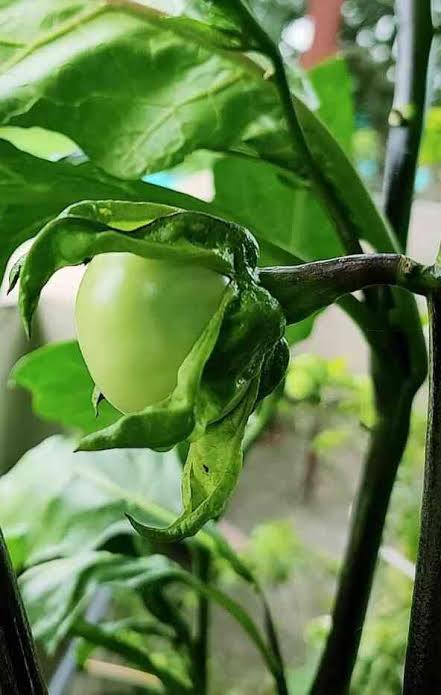

If you’ve spent any time in a West African market, a Nigerian kitchen, or an African grocery store anywhere in the world, you’ve almost certainly seen small, round, brightly colored fruits stacked in neat little pyramids — some pale green, some golden yellow, some streaked with orange or red. These are African eggplants, and if you’ve never cooked with them before, you’re about to discover one of the most flavorful, culturally rich, and genuinely underrated vegetables on the planet.
Known by dozens of names depending on where you are in the world — garden egg, bitter tomato, scarlet eggplant, mock tomato, Ethiopian eggplant, jiló, and more — African eggplant (Solanum aethiopicum) is a completely different creature from the large, glossy purple eggplant you’ll find in most Western supermarkets. It’s smaller, often milder in some varieties and pleasantly bitter in others, packed with nutrients, and absolutely central to the cuisines of Nigeria, Ghana, Cameroon, Sierra Leone, and countless other African nations, as well as parts of Brazil and Southeast Asia where it also thrives.
This guide is your complete introduction to African eggplant — what it actually is, why it’s such a nutritional standout, how to select and store it, every traditional and modern way to prepare it, the cultural significance behind it, and a full lineup of recipes to bring this incredible vegetable into your own kitchen.
Let’s dig in.
Table of Contents
- What Is African Eggplant, Exactly?
- The Many Names of African Eggplant Around the World
- African Eggplant Nutrition Facts
- Health Benefits of African Eggplant
- Cultural Significance of African Eggplant
- How to Select the Best African Eggplant
- How to Store African Eggplant
- How to Prepare African Eggplant for Cooking
- How to Cook African Eggplant: Every Method Explained
- Traditional African Dishes Featuring This Vegetable
- 15 African Eggplant Recipe Ideas to Try
- African Eggplant Leaves: The Overlooked Superfood
- African Eggplant for Special Diets
- African Eggplant vs. Regular Eggplant: What’s the Difference?
- Common Mistakes to Avoid When Cooking African Eggplant
- Growing African Eggplant at Home
- Frequently Asked Questions
- Final Thoughts
1. What Is African Eggplant, Exactly?
African eggplant, scientifically known as Solanum aethiopicum, is a member of the Solanaceae family, making it a close relative of tomatoes, peppers, and the more familiar purple eggplant (Solanum melongena). It’s native to sub-Saharan Africa, where it’s considered one of the most important vegetable crops on the continent, right alongside tomatoes, onions, peppers, and okra.
Unlike the large, elongated, deep-purple eggplants most Western cooks are used to, African eggplants are small, round to oval, and come in a striking range of colors — white, pale green, yellow, orange, and red — often changing color as the fruit ripens. They typically range from golf ball to tennis ball size, growing on a bushy plant that can reach up to two meters tall, with broad, sometimes spiny leaves that are themselves an important and edible part of the plant.
Flavor-wise, African eggplant is genuinely distinctive. Some varieties are mild and slightly sweet, while others carry a pleasant bitterness that’s actually prized in many traditional dishes — it’s part of why one of its most common nicknames is simply “bitter tomato.” That bitterness mellows significantly with cooking, especially in stews and soups where it melts into a rich, savory backdrop for other ingredients.
Quick facts:
- Scientific name: Solanum aethiopicum
- Family: Solanaceae (same family as tomatoes, peppers, and eggplant)
- Native region: Sub-Saharan Africa
- Common names: Garden egg, bitter tomato, scarlet eggplant, mock tomato, Ethiopian eggplant, jiló (Brazil)
- Color range: White, green, yellow, orange, red
- Flavor: Mild to pleasantly bitter, depending on variety and ripeness
- Edible parts: Both the fruit and the leaves
2. The Many Names of African Eggplant Around the World
One of the more fascinating things about this vegetable is just how many different names it carries, depending on region and language. Understanding these names is genuinely useful, especially if you’re shopping at international markets where labeling can vary widely.
- Nigeria: Known as “igba” or “igbagba” among the Yoruba, “gauta” among the Hausa, and “afufa” or “anara” among the Igbo.
- Sierra Leone: Widely and affectionately called “garden egg,” a name that has spread into common English usage across much of West Africa.
- Ghana and Cameroon: Also commonly referred to as garden egg, often served during festivals and community gatherings.
- Brazil: Known as “jiló,” a beloved ingredient in Brazilian home cooking, particularly in Minas Gerais cuisine.
- English-language scientific and culinary literature: Often called scarlet eggplant, mock tomato, bitter tomato, or Ethiopian eggplant.
This naming diversity reflects just how deeply rooted this vegetable is across so many different food cultures — it’s not a niche specialty ingredient in these regions, it’s an everyday kitchen staple.
3. African Eggplant Nutrition Facts
African eggplant is a genuinely impressive nutritional package wrapped in a small, unassuming fruit. While exact values vary somewhat by variety and ripeness, a typical serving offers:
- Very low in calories — a medium-sized fruit typically comes in well under 20 calories, making it an easy, guilt-free addition to almost any meal.
- High water content — often around 90%, contributing to its light, hydrating quality.
- A meaningful source of dietary fiber — supporting digestion and contributing to a feeling of fullness.
- A source of essential vitamins, including vitamin C and various B vitamins, supporting immune function and energy metabolism.
- Rich in plant compounds and antioxidants, including chlorogenic acid, anthocyanins, and flavonoids, which contribute to the vegetable’s reputation as a functional food in traditional medicine.
- A source of minerals such as potassium, calcium, and iron, particularly when the leaves are consumed alongside the fruit.
- Low in fat and naturally sodium-free in its raw state, giving you full control over how a dish is seasoned.
What makes African eggplant particularly interesting from a nutrition-science standpoint is the depth of its phytochemical profile. Researchers have identified a wide range of bioactive compounds in the plant — including histidine, nasunin, chlorogenic acid, and various flavonoids — that go well beyond basic vitamin and mineral content and are the subject of ongoing scientific interest into the vegetable’s traditional health reputation.
4. Health Benefits of African Eggplant
African eggplant has long held a respected place in traditional African medicine, and modern research is increasingly exploring the science behind that reputation. Here’s what the evidence and traditional use both point to.
- Supports healthy blood sugar levels. The combination of low carbohydrate content and high dietary fiber is traditionally associated with helping manage blood glucose, and several research studies have specifically examined its potential supportive role for diabetic health.
- Supports heart health. Its dietary fiber and chlorogenic acid content are associated with helping manage cholesterol levels, supporting healthy LDL and HDL balance as part of an overall heart-healthy diet.
- Rich in antioxidants. The anthocyanins responsible for the fruit’s vibrant orange and red coloring are powerful antioxidant compounds, part of the same family found in berries, that help the body manage oxidative stress.
- May support cognitive and brain health. Some research points to anthocyanins in the fruit potentially supporting healthy blood flow to the brain, an area of increasing interest for age-related cognitive wellness.
- Traditionally used to support digestive health. Its high fiber and water content combine to support healthy, regular digestion.
- Associated with anti-inflammatory properties. Laboratory research has explored the anti-inflammatory activity of African eggplant extracts, with some studies linking traditional use of the plant to relief from joint discomfort and swelling.
- Supports eye health. Certain African eggplant varieties are valued as a source of retinol-related compounds important for healthy vision.
- Low-calorie, nutrient-dense choice for weight management. With its very low calorie count and high water and fiber content, African eggplant is a smart addition for anyone mindful of calorie intake without wanting to sacrifice nutrition or satisfaction.
It’s worth noting that while much of this research is promising, especially from laboratory and animal studies, African eggplant should be enjoyed as part of a balanced diet rather than treated as a substitute for medical care or medication. If you have a specific health condition, it’s always smart to check with a healthcare provider.
5. Cultural Significance of African Eggplant
Beyond nutrition, African eggplant carries deep cultural weight across the regions where it’s grown. In many West African communities, it’s more than just a vegetable — it’s a symbol of hospitality, nourishment, and tradition.
- In several West African cultures, garden eggs are offered as a gesture of goodwill and hospitality when welcoming guests into the home.
- In Ghana, Nigeria, and Cameroon, garden eggs frequently appear during festivals and celebratory gatherings, often served alongside a spicy peanut or pepper sauce.
- The plant plays a genuine socioeconomic role as well, ranking among the most actively traded vegetable crops in West African local markets, supporting the livelihoods of countless small-scale farmers.
- Its resilience — thriving in nutrient-poor soils and drought-prone conditions — has also made it an important crop for food security in regions where more delicate vegetables struggle to grow reliably.
Understanding this cultural backdrop adds a rich layer of meaning to what might otherwise look like just another vegetable at the market. When you cook with African eggplant, you’re engaging with centuries of culinary tradition and community life.
6. How to Select the Best African Eggplant
Because African eggplant comes in so many colors and varieties, selecting a good one is slightly different from picking a typical purple eggplant. Here’s what to look for.
- Choose firm, unblemished fruit. Regardless of color, a good African eggplant should feel firm to the touch, without soft spots, wrinkling, or visible bruising.
- Color depends on your intended use. Greener, less mature fruits tend to carry more bitterness and are often preferred for stews, where that bitterness balances rich, savory flavors. Riper, more colorful fruits (yellow, orange, or red) tend to be milder and slightly sweeter.
- Check the stem end. A fresh stem and cap indicate a more recently harvested fruit.
- Smaller isn’t necessarily better or worse — it depends on the variety. Different cultivars naturally range from very small to fairly large, so size alone isn’t the best indicator of quality.
- Buy from vendors with quick turnover. African eggplant is known for having a relatively short shelf life once harvested, so freshness at the point of purchase really matters.

7. How to Store African Eggplant
Because of its delicate nature, proper storage really does make a difference in how long you can enjoy African eggplant before it starts to decline.
- Refrigerator storage: Store unwashed in a perforated bag in the crisper drawer of your refrigerator. Under these conditions, African eggplant typically stays fresh for about 3 to 5 days.
- Room temperature storage: If you plan to use it within a day or two, storing at cool room temperature away from direct sunlight is also fine, though refrigeration will extend freshness longer.
- Avoid washing before storing. Excess moisture speeds up spoilage — wash just before you’re ready to cook.
- Freezing for longer storage: While best enjoyed fresh, African eggplant can be blanched and frozen for a few months if you want to preserve a larger harvest or bulk purchase — just note the texture will soften noticeably upon thawing, making frozen eggplant best suited for stews and soups rather than dishes where texture matters more.
- Leaves: The leaves are even more delicate than the fruit and are best used within a day or two of harvesting or purchase, stored loosely wrapped in a damp paper towel inside the refrigerator.
8. How to Prepare African Eggplant for Cooking
Preparing African eggplant is refreshingly simple compared to some other vegetables, but a few tips will help you get the best results.
Step 1: Wash thoroughly. Rinse under cool running water to remove any surface dirt or residue.
Step 2: Trim the stem. Cut off the small green cap and stem at the top of the fruit.
Step 3: Decide whether to peel. The skin is entirely edible and often left on, especially in stews where it softens beautifully during cooking. For dishes where a smoother texture is desired, you can peel it, though this is optional.
Step 4: Cut according to your recipe.
- For stews: halved, quartered, or diced into chunks
- For grilling or roasting: sliced into rounds or halved lengthwise
- For eating raw with dips: left whole or halved, depending on size
Step 5: Consider a bitterness-reducing soak (optional). If you’re working with a particularly bitter variety and want to mellow the flavor, soaking cut pieces in lightly salted water for 15–20 minutes before cooking can help draw out some of that natural bitterness, similar to how you might treat a bitter melon.
9. How to Cook African Eggplant: Every Method Explained
African eggplant is remarkably versatile in the kitchen, taking beautifully to a wide range of cooking techniques.
🍲 Stewing (the most traditional method)
- Dice or chop African eggplant and add it directly into simmering tomato-based or pepper-based stews.
- Cook until soft and fully incorporated into the sauce, typically 15–25 minutes depending on the size of the pieces.
- Why it works: This is how African eggplant is traditionally used across most West African cuisines — it breaks down slightly as it cooks, thickening and enriching the stew’s flavor and body.
🔥 Grilling or Roasting
- Halve or slice the eggplant, brush with oil, and season with salt, pepper, or your preferred spice blend.
- Grill or roast at 400°F until tender and lightly charred, about 15–20 minutes.
- Why it works: High heat mellows bitterness and adds a delicious smoky, caramelized flavor.
🍳 Sautéing
- Dice the eggplant and sauté in oil with onions, garlic, and peppers over medium-high heat for 8–12 minutes.
- Why it works: A quick, flavorful way to prepare it as a simple side dish or filling for wraps and sandwiches.
🥣 Boiling and Mashing
- Boil whole or halved eggplant until soft, then mash and combine with palm oil, ground crayfish, or other traditional seasonings to make a simple, comforting dish common in many West African households.
- Why it works: Creates a soft, flavorful base often served alongside rice, yam, or plantains.
🥗 Eating Raw
- Milder, riper varieties can be eaten raw, often paired with a spicy peanut sauce, pepper dip, or ground nut paste as a traditional snack or appetizer.
- Why it works: Showcases the vegetable’s natural, slightly tangy freshness with minimal preparation.
🍛 Adding to Soups
- Dice and add directly into simmering soups (such as egusi soup or okra soup), allowing the eggplant to soften and absorb the surrounding flavors.
- Why it works: Adds body, subtle bitterness, and nutritional value to already hearty, flavorful soups.
10. Traditional African Dishes Featuring This Vegetable
- Garden Egg and Peanut Sauce (West Africa) — Raw or lightly cooked garden eggs served with a rich, spiced peanut dipping sauce, a beloved snack across several West African nations.
- Egusi Soup with Garden Egg — A hearty Nigerian soup made from ground melon seeds, enriched with chunks of garden egg for added texture and flavor.
- Efo Riro with Garden Egg Leaves — A popular Yoruba vegetable soup that often incorporates the tender leaves of the African eggplant plant alongside other leafy greens.
- Jiló Refogado (Brazil) — A simple Brazilian sauté of sliced jiló with garlic, onion, and olive oil, often served as a side dish.
- Garden Egg Stew — A rich tomato and pepper-based stew featuring chunks of garden egg, commonly served over rice or with yam and plantain.
- Mashed Garden Egg with Palm Oil — A comforting, traditional dish combining boiled and mashed garden egg with palm oil and ground crayfish, often eaten with a side of yam.
11. 15 African Eggplant Recipe Ideas to Try
- Classic Nigerian Garden Egg Stew — Diced garden egg simmered in a rich tomato, pepper, and onion base, served over jollof rice.
- Grilled Garden Egg with Chili Oil — Halved and grilled until smoky, drizzled with a spicy homemade chili oil.
- Garden Egg and Peanut Dip — Blended peanuts, chili, onion, and a touch of lime served alongside fresh, raw garden egg slices.
- Egusi Soup with Garden Egg and Spinach — A hearty melon-seed soup enriched with chunks of eggplant and leafy greens.
- Sautéed Garden Egg with Onions and Peppers — A quick, flavorful side dish ready in under 15 minutes.
- Garden Egg Leaf Soup — A traditional soup showcasing the tender, nutrient-rich leaves alongside garden egg fruit.
- Roasted Garden Egg with Garlic and Herbs — Oven-roasted until caramelized, finished with fresh herbs and a squeeze of lemon.
- Garden Egg and Chickpea Curry — A fusion dish blending traditional African eggplant with warm curry spices and hearty chickpeas.
- Mashed Garden Egg with Palm Oil and Crayfish — A comforting, traditional preparation served with boiled yam or plantain.
- Jiló Refogado (Brazilian Sautéed Garden Egg) — Sliced jiló sautéed simply with garlic, onion, and olive oil.
- Garden Egg and Okra Soup — Combining two beloved West African vegetables into one rich, hearty soup.
- Grilled Garden Egg Skewers — Cubed and skewered with peppers and onions, brushed with a smoky spice rub before grilling.
- Garden Egg and Groundnut Rice — A one-pot rice dish incorporating diced eggplant and ground peanuts for a satisfying, nutty flavor.
- Spicy Garden Egg Salsa — Finely diced raw garden egg combined with tomato, onion, chili, and lime for a fresh, tangy topping.
- Garden Egg Fritters — Mashed garden egg combined with flour, onion, and spices, pan-fried into crispy, savory fritters.
12. African Eggplant Leaves: The Overlooked Superfood
While the fruit tends to get most of the attention, the leaves of the African eggplant plant are just as important — and in some regions, even more commonly used than the fruit itself.
- Highly nutritious. The leaves are a rich source of vitamins, minerals, and fiber, often used in traditional cooking specifically for their nutritional density.
- A traditional soup ingredient. In many Nigerian households, garden egg leaves are cooked into soups like efo riro alongside other leafy greens such as spinach or bitter leaf.
- Composting benefit. Beyond the kitchen, the leaves are also valued agriculturally — when composted, they help enrich soil with nitrogen and potassium, supporting sustainable farming practices.
- How to prepare them: Wash thoroughly, roughly chop, and add to simmering soups or stews in the final 10–15 minutes of cooking, similar to how you’d treat any tender leafy green.
If you’re growing African eggplant at home or lucky enough to find the leaves at a specialty market, don’t let them go to waste — they’re a genuinely delicious and nutritious bonus from the same plant.
13. African Eggplant for Special Diets
Vegan and Vegetarian: Naturally plant-based, African eggplant fits seamlessly into any vegan or vegetarian meal plan.
Gluten-Free: Naturally free of gluten, safe for anyone managing celiac disease or gluten sensitivity.
Low-Calorie Diets: With its very low calorie count and high water content, it’s an easy, satisfying addition for anyone watching overall calorie intake.
Diabetic-Friendly Eating: Its low carbohydrate content and high fiber levels make it a smart choice for those monitoring blood sugar, though as always, individual dietary needs should be discussed with a healthcare provider.
Whole30/Paleo: Fits comfortably within both frameworks, since it’s a whole, unprocessed vegetable.
Low-Sodium Diets: Naturally sodium-free in its raw state, giving you complete control over seasoning.
14. African Eggplant vs. Regular Eggplant: What’s the Difference?
| Feature | African Eggplant | Regular (Globe) Eggplant |
| Scientific name | Solanum aethiopicum | Solanum melongena |
| Size | Small, golf ball to tennis ball | Large, elongated |
| Color | White, green, yellow, orange, red | Deep purple |
| Flavor | Mild to pleasantly bitter | Mild, slightly earthy |
| Common region of use | West Africa, Brazil | Global, especially Mediterranean and Asian cuisines |
| Leaves eaten | Yes, commonly | Rarely |
| Typical preparation | Stews, soups, raw with dips | Roasting, grilling, frying |
While they’re botanical cousins and share a similar spongy, absorbent flesh when cooked, the two are genuinely distinct culinary ingredients with different flavor profiles, traditional uses, and cultural significance.
15. Common Mistakes to Avoid When Cooking African Eggplant
- Assuming all varieties taste the same. Flavor can range from very mild to noticeably bitter depending on the specific variety and ripeness — taste a small piece before committing a large batch to a dish you’re unsure about.
- Overcooking delicate leaf dishes. Unlike the sturdier fruit, the leaves cook quickly and can turn mushy or lose nutrients if simmered too long.
- Not adjusting seasoning for bitterness. Some varieties benefit from a bolder, richer sauce or seasoning blend to balance natural bitterness — don’t be afraid to season generously.
- Storing it too long before use. Given its relatively short shelf life, buy only what you’ll use within a few days for the best flavor and texture.
- Confusing it with unripe purple eggplant at the store. Double-check labeling or ask vendors, since the two are visually distinct but occasionally mislabeled in less specialized stores.
- Discarding the leaves. If you’re growing your own or can access them fresh, don’t waste this nutritious, traditional part of the plant.
16. Growing African Eggplant at Home
If you have a garden or even a large container setup, African eggplant is a genuinely rewarding plant to grow.
- Climate: Thrives in warm, tropical, or subtropical conditions, though it can be grown as a warm-season annual in temperate climates.
- Soil: Adapts well to a range of soil types, including nutrient-poor soils, making it a relatively low-maintenance crop.
- Sunlight: Requires full sun for the best fruit production.
- Watering: Prefers consistent moisture but is notably drought-tolerant once established, making it a resilient choice for less predictable climates.
- Harvest time: Fruits are typically ready to harvest within 70–90 days of planting, depending on variety.
- Companion planting benefits: As part of a garden rotation, it can help disrupt pest and disease cycles that commonly affect related crops like tomatoes and peppers.
- Pollinator support: Its flowers provide nectar for bees and other pollinators, adding ecological value beyond the kitchen.
17. Frequently Asked Questions
Is African eggplant the same as regular eggplant? No — while they’re botanically related, African eggplant (Solanum aethiopicum) is a distinct species from the large purple eggplant (Solanum melongena) most commonly found in Western grocery stores.
Can you eat African eggplant raw? Yes, milder and riper varieties are commonly eaten raw, often served with a spicy peanut sauce or pepper dip as a traditional snack.
Why is African eggplant bitter? Certain varieties, especially less ripe ones, naturally contain more bitter compounds. This bitterness is often intentionally used to add depth and complexity to stews and soups.
Are the leaves of African eggplant edible? Yes, the leaves are edible and commonly used in traditional soups across West Africa, prized for their nutritional value.
How long does African eggplant last? Typically about 3 to 5 days when refrigerated, given its relatively short shelf life compared to other vegetables.
Where can I buy African eggplant? Look for it at African, Caribbean, or international grocery stores, as well as some farmers markets in areas with diverse produce offerings.
Is African eggplant good for diabetes? Its low carbohydrate content and high fiber levels have made it a subject of interest in diabetes-related research, and it’s traditionally used to support healthy blood sugar management, though it should complement, not replace, medical guidance.
Can I substitute regular eggplant in a recipe calling for African eggplant? You can in a pinch, though expect a milder flavor and different texture — the dish’s traditional character will shift somewhat, especially in recipes where the natural bitterness of African eggplant plays an intentional role.
18. Final Thoughts
African eggplant is proof that some of the most rewarding ingredients in the culinary world are the ones that haven’t yet gone fully mainstream outside their region of origin. It’s nutrient-dense, deeply woven into centuries of West African tradition, remarkably resilient to grow, and capable of adding a completely unique flavor dimension — that gentle, savory bitterness — to dishes that no other vegetable quite replicates.
Whether you’re exploring it through a rich, comforting garden egg stew, a quick sauté alongside onions and peppers, or a simple raw preparation with a spicy peanut dip, African eggplant offers a genuine window into one of the world’s most flavorful and underappreciated culinary traditions. And once it earns a spot in your regular kitchen rotation, don’t be surprised if it quickly becomes one of your favorite vegetables to cook with.
So next time you spot those small, colorful fruits at an international market, don’t walk past them. Pick up a few, bring them home, and let this remarkable little vegetable introduce you to a whole new world of flavor.
#AfricanEggplant #GardenEgg #WestAfricanFood #NigerianFood #AfricanCuisine #HealthyEating #PlantBasedRecipes #TraditionalCooking #HeirloomVegetables #GlobalCuisine #FarmToTable #NutritiousFood #HealthyRecipes #GhanaianFood #CameroonianFood #AfricanFoodCulture #WholeFoods #EasyRecipes #HomeCooking #FoodieLife #CookingFromScratch #HealthyLifestyle #VegetableRecipes #Solanaceae #ExoticVegetables #CulturalCuisine #DiasporaCooking #GrowYourOwnFood #KitchenInspiration #EatTheWorld
