

If you’ve ever tried seaweed and thought “this is a little too intense for me,” arame might just be the sea vegetable that changes your mind completely. Unlike the strong, fishy, briny seaweeds that scare off a lot of first-timers, arame is famous for being gentle, mildly sweet, and almost nutty in flavor — while still packing an impressive nutritional punch. It’s become a favorite among health-conscious home cooks, macrobiotic diet followers, vegans, and anyone looking to add more nutrient-dense, plant-based ingredients into their everyday meals.
But what exactly is arame? How is it different from other seaweeds like hijiki, wakame, or kombu? Is it actually good for you, and how do you cook with it without making a total mess of your kitchen the first time? Let’s break down everything you need to know about this quietly incredible sea vegetable.
By the time you finish reading, you’ll understand:
- What arame is and where it comes from
- How it compares to hijiki, wakame, and other seaweeds
- Its full nutritional profile and potential health benefits
- Important safety considerations, especially around iodine intake
- How to buy, store, and rehydrate arame properly
- Dozens of delicious ways to cook with it
- Easy recipe ideas to get you started
- Answers to the most frequently asked arame questions
Let’s dive in.
What Is Arame? (The Quick Answer)
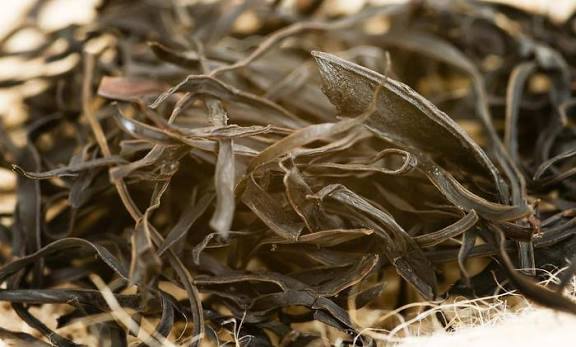
Arame is a type of brown sea vegetable (a species of kelp) harvested primarily from cool coastal waters around Japan, most notably the Sea of Japan. After harvesting, the tough, foot-long fronds are cooked, sun-dried, and then machine-sliced into short, thin, dark strands — resulting in the convenient, ready-to-use product you’ll find in stores.
Quick Facts at a Glance:
- Type: Brown algae/kelp (a sea vegetable, not a plant in the traditional sense)
- Origin: Primarily harvested from the Sea of Japan
- Appearance (dried): Thin, dark brown to nearly black shredded strands
- Appearance (rehydrated): Softened, slightly expanded strands with a tender-yet-firm bite
- Flavor: Mild, subtly sweet, and nutty, with a gentle oceanic undertone
- Texture: Firm yet yielding once rehydrated, with a pleasant chewiness
- Most common preparations: Simmered as a side dish, added to salads, stir-fries, soups, and rice dishes
- Dietary fit: Naturally vegan, vegetarian-friendly, and a popular choice in macrobiotic and plant-based diets
If your only experience with seaweed has been overpoweringly salty or fishy, arame is worth a second chance — it’s widely considered one of the mildest, most approachable sea vegetables you can cook with.
Arame vs. Hijiki: What’s the Difference?
This is one of the most common points of confusion for home cooks, since arame and hijiki look remarkably similar once dried. Here’s how to tell them apart:
- They’re different species. Arame comes from a distinct type of kelp, while hijiki (Sargassum fusiforme) is a separate brown seaweed harvested and processed in a similar way.
- Flavor is noticeably different. Arame’s flavor is milder than hijiki’s, with hijiki sometimes described as having a firmer, slightly more “insipid” or plain taste that benefits from a splash of soy sauce.
- A key safety consideration. Hijiki has become a source of concern in recent years due to its tendency to contain elevated levels of arsenic, which has led many health-conscious cooks to choose arame as a gentler, lower-risk alternative with a similar look and cooking style.
- Visual similarity. Both are dark, thin, shredded sea vegetables that look nearly identical once dried, which is exactly why they’re so often confused with one another on store shelves.
Bottom line: if a recipe calls for hijiki but you’d rather avoid the arsenic concerns associated with it, arame is generally considered a safe, similar-tasting substitute that works beautifully in the same dishes.
What Does Arame Taste Like?
Arame’s flavor is one of its biggest selling points, especially for people who are new to cooking with sea vegetables. Here’s how it’s typically described:
- Mild and gentle, without the strong fishy or overly briny taste some people associate with seaweed
- Subtly sweet, especially once cooked with aromatics like ginger, soy sauce, or mirin
- Nutty and almost creamy, a texture and flavor combination that surprises a lot of first-time tasters
- A light oceanic undertone, present but never overwhelming
- Umami-rich, adding depth to soups, stir-fries, and grain dishes without dominating the other flavors
Many cooks specifically point out that arame doesn’t need to be “disguised” in a dish the way some stronger seaweeds do — its flavor is pleasant enough to feature prominently rather than hide.
Arame Nutrition Facts
Don’t let its light, thread-like appearance fool you — arame is a genuinely nutrient-dense food, particularly when it comes to minerals and fiber.
Arame is a notable source of the following nutrients:
- Dietary fiber: A standout feature of arame, supporting healthy digestion and regularity by helping move waste through the digestive tract more efficiently.
- Iron: A valuable plant-based source of iron, making it especially useful for vegetarians, vegans, or anyone looking to diversify their iron intake beyond red meat, fortified grains, and legumes.
- Calcium: Contributes to bone health and overall mineral intake.
- Magnesium: Supports muscle function, nerve health, and overall cellular processes.
- Potassium: An important electrolyte that supports healthy fluid balance and cardiovascular function.
- Iodine: Arame is naturally rich in iodine, a mineral essential for healthy thyroid function and metabolism.
- Vitamin A: Present in meaningful amounts, supporting eye health, skin health, and immune function.
- Lignans: A powerful class of antioxidants found at surprisingly high levels in arame, associated with anti-inflammatory effects.
- Seaweed polyphenols: Additional antioxidant compounds that contribute to arame’s overall nutritional profile.
An important portion-size note: because arame is a small, delicate sea vegetable, you generally need a reasonably generous serving — often cited as two or three handfuls once rehydrated — to meaningfully benefit from its vitamin and mineral content. As with most seaweeds, arame can also be relatively high in sodium, so those managing sodium intake should be mindful of portion sizes, though some producers now offer reduced-sodium options.
Potential Health Benefits of Arame
Beyond its pleasant flavor and versatility, arame offers a genuinely interesting range of potential health benefits, many of which are tied to its impressive mineral and antioxidant content:
- Supports digestive health: Thanks to its high fiber content, arame can help promote regularity and a healthier digestive transit time.
- Thyroid and metabolism support: Its naturally high iodine content plays a role in supporting healthy thyroid function, which in turn influences metabolism.
- Hormonal balance support: Some sources note that arame’s iodine content may help support hormonal regulation, which some people find helpful for symptoms related to PMS or irregular cycles — though this should be discussed with a healthcare provider rather than self-treated.
- Cardiovascular support: With notable levels of potassium, magnesium, and antioxidants, arame may contribute to overall cardiovascular health as part of a balanced diet.
- Bone and immune support: Calcium, magnesium, and vitamin A work together to support strong bones and a resilient immune system.
- Antioxidant and anti-inflammatory potential: The lignans and polyphenols found in arame are associated with anti-inflammatory properties, which may be particularly appealing to those managing inflammation-related health conditions as part of a broader, doctor-guided dietary approach.
- Skin, hair, and nail support: Because of its rich mineral and vitamin content, some people report noticing healthier-looking hair, nails, and skin with regular, moderate consumption.
- A useful addition to plant-based diets: As a natural source of iron and other minerals that can sometimes be harder to obtain on a vegan or vegetarian diet, arame is a popular ingredient among plant-based eaters looking to diversify their nutrient sources.
As always, these are general wellness associations rather than guaranteed medical outcomes, and individual results can vary significantly based on overall diet and health status.
Important Safety Considerations: Iodine and Beyond
Because arame is such a concentrated source of iodine, it’s important to approach it thoughtfully rather than eating it in unlimited quantities. Here’s what you need to know:
- Iodine excess is a real consideration. The same iodine that makes arame nutritionally valuable can become a problem if intake is consistently too high, potentially triggering or worsening thyroid dysfunction in susceptible individuals.
- Portion control matters. Because raw dried arame is highly iodine-dense, using modest portions rather than large daily servings is the safer approach for most people.
- Cooking can help manage iodine levels. Rehydrating and cooking arame, rather than eating it raw and undiluted, can help moderate its overall iodine concentration in a dish.
- Those with thyroid conditions should be cautious. If you have a diagnosed thyroid condition or take thyroid-related medication such as levothyroxine or antithyroid drugs, it’s important to consult a healthcare provider before regularly adding arame or other iodine-rich seaweeds to your diet.
- Environmental contaminants are a general seaweed consideration. Like other sea vegetables, arame can potentially accumulate heavy metals or other contaminants depending on where and how it was harvested, which is one more reason to buy from reputable, quality-tested sources.
- Sodium content. As with most seaweeds, arame can be relatively high in sodium, so individuals managing blood pressure or sodium intake should factor this into their overall diet.
Bottom line: arame is a wonderful, nutrient-dense addition to a varied diet for most healthy people when eaten in reasonable portions — but like many concentrated whole foods, moderation and awareness of your individual health needs are key.
How to Buy Arame
Since arame is typically sold dried, here’s what to look for when shopping:
- Look for a rich, dark brown to black color with thin, uniform strands.
- Choose reputable, quality-tested brands, especially given the potential for environmental contaminants in sea vegetables generally.
- Check for reduced-sodium options if you’re watching your sodium intake, as some producers now offer these versions.
- Shop at Asian grocery stores, natural food stores, or online specialty retailers, where arame is most commonly stocked alongside other sea vegetables like wakame, kombu, and nori.
- Confirm it’s specifically labeled arame, since its visual similarity to hijiki means labeling matters if you’re specifically trying to avoid one or the other.
How to Store Arame
- Store dried arame in an airtight container in a cool, dry pantry, away from direct sunlight and moisture.
- Properly stored dried arame can last for a long time, similar to other dried sea vegetables, making it a convenient, shelf-stable pantry staple.
- Once rehydrated, leftover arame should be refrigerated in an airtight container and used within a few days for the best quality.
How to Rehydrate and Prepare Arame
One of the best things about arame is how quick and easy it is to prepare compared to many other dried sea vegetables.
Basic rehydration steps:
- Measure your dried arame. A little goes further than you’d expect once it expands, so start with a modest amount.
- Soak in water. Place the dried strands in a bowl and cover with room-temperature or lukewarm water.
- Wait just a few minutes. Arame rehydrates quickly — often in as little as 5 to 10 minutes — expanding and softening into tender, pliable strands.
- Drain well. Once softened, drain the arame thoroughly before adding it to your dish.
- Cook as desired. From here, arame can be sautéed, simmered, added to soups, or tossed straight into salads.
Pro tip: save a bit of the soaking liquid if you’re making a soup or broth-based dish — it carries some of arame’s mild, oceanic flavor and can add subtle depth.
How to Cook With Arame: Endless Possibilities
This is where arame really shines, since its mild flavor and quick prep time make it an easy sea vegetable to work into everyday cooking.
Classic Preparations
- Simmered arame side dish: Rehydrate arame, then simmer it with soy sauce, mirin, and a touch of fresh ginger for a classic Japanese-style preparation that highlights its natural sweetness.
- Arame and sweet vegetables: Sauté rehydrated arame with onion and carrot for a simple, nutrient-dense side dish that pairs beautifully with rice or fish.
- Brown rice with arame: A popular macrobiotic-style dish combining cooked arame with brown rice and toasted sesame, often served alongside soup or salad.
Salads and Cold Dishes
- Arame salad: Toss rehydrated arame with fresh greens, vegetables, and a light vinaigrette for a refreshing, nutrient-packed salad.
- Soba and arame salad: Combine arame with cold soba noodles for a striking, nutrient-rich cold noodle dish.
- Arame as a garnish: Because it’s thin and fibrous, arame also works beautifully as a garnish scattered over finished salads or grain bowls.
Soups, Stir-Fries, and Mains
- Soups and stews: Add rehydrated arame to soups during the final few minutes of cooking to enhance umami flavor without overcooking the strands.
- Stir-fries: Toss arame into vegetable or tofu stir-fries, where its subtle sweetness complements other stir-fry ingredients beautifully.
- Simmered arame and fried tofu: A warm, comforting Japanese-style bowl combining arame with tofu, shiitake mushrooms, and sesame oil.
- Tofu veggie stir-fry with arame and basmati rice: A satisfying, colorful plant-based main dish.
- Stir-fry with arame, sun-dried tomato, and zucchini: A creative fusion dish that shows just how flexible arame can be with non-traditional ingredient pairings.
Creative and Unexpected Uses
- Sushi roll filling: Arame can be used as a unique, flavorful filling inside homemade sushi rolls, adding texture and umami depth.
- Rice and pilaf dishes: Mix rehydrated arame into rice pilafs or sushi rice for an extra layer of flavor and nutrition.
- Quick wraps: Arame can be incorporated into quick wraps for an easy, nutrient-boosted snack or light meal.
- Smoothies and blended juices: Some cooks even sprinkle dried arame into smoothies for an extra mineral boost, given how convenient it is straight from the package.
Simple Arame Recipe Ideas to Try This Week
Ready to start cooking with arame? Here are a few beginner-friendly ideas:
- Ginger-Soy Simmered Arame: Rehydrate arame, then simmer with soy sauce, a splash of mirin, grated ginger, and a touch of sesame oil for a classic Japanese-style side dish.
- Arame Carrot Sauté: Sauté thin carrot strips with rehydrated arame in olive oil, finishing with a squeeze of lemon and a pinch of salt.
- Arame Grain Bowl: Layer cooked brown rice or quinoa with sautéed arame, roasted vegetables, and a sesame-ginger dressing for a nourishing, plant-based lunch bowl.
- Cold Soba and Arame Noodle Salad: Toss chilled soba noodles with rehydrated arame, shredded cabbage, and a simple soy-vinegar dressing.
- Arame and Tofu Stir-Fry: Stir-fry cubed tofu with rehydrated arame, garlic, and your favorite vegetables in a light soy-based sauce.
- Miso Soup With Arame: Add a small handful of rehydrated arame to a simple miso soup base for extra texture and mineral content.
Frequently Asked Questions About Arame
What is arame seaweed? Arame is a mild-flavored brown sea vegetable harvested primarily from the Sea of Japan, sold in dried, thinly shredded strands that rehydrate quickly for cooking.
Is arame the same as hijiki? No, though they look very similar once dried. They come from different seaweed species, and arame is generally considered a milder-tasting, lower-risk alternative to hijiki, which has raised concerns due to potential arsenic content.
What does arame taste like? Arame has a mild, subtly sweet, nutty flavor with a gentle oceanic undertone — much less intense than many other seaweeds.
Is arame healthy? Yes, arame is rich in fiber, iron, calcium, magnesium, potassium, iodine, and antioxidants, making it a nutrient-dense addition to a balanced diet when eaten in moderate portions.
How do I prepare arame? Simply soak dried arame in water for about 5 to 10 minutes until it softens and expands, then drain and use it in soups, salads, stir-fries, or simmered side dishes.
Can people with thyroid conditions eat arame? Those with thyroid conditions or who take thyroid medication should consult a healthcare provider before regularly consuming arame, due to its high iodine content.
Where can I buy arame? Arame is typically available at Asian grocery stores, natural food stores, and online specialty retailers, usually stocked alongside other dried sea vegetables like wakame and kombu.
How should I store arame? Store dried arame in an airtight container in a cool, dry place away from light and moisture; once rehydrated, refrigerate leftovers and use within a few days.
Is arame vegan? Yes, arame is a naturally plant-based sea vegetable and fits easily into vegan and vegetarian diets.
How much arame should I eat? Because it’s nutrient-dense and iodine-rich, moderate portions are recommended — a modest handful once rehydrated is generally enough to enjoy its flavor and nutritional benefits without overdoing iodine intake.
Final Thoughts: A Gentle Gateway Into the World of Sea Vegetables
If you’ve been curious about incorporating more sea vegetables into your diet but felt intimidated by stronger, fishier options, arame is exactly the kind of approachable, mild, and genuinely delicious ingredient worth exploring. Its subtle sweetness, quick prep time, and impressive mineral content make it a standout choice for salads, stir-fries, soups, and grain bowls alike.
From traditional Japanese simmered dishes to creative modern fusion recipes, arame proves that healthy eating doesn’t have to mean sacrificing flavor or convenience. So the next time you’re looking to add more plant-based nutrition to your plate, consider picking up a bag of dried arame — a little goes a long way, and your taste buds (not to mention your iron and calcium intake) will thank you.
#Arame #SeaVegetables #Seaweed #JapaneseFood #PlantBasedEating #HealthyEating #VeganRecipes #Macrobiotic #NutrientDense #FoodieLife #HealthyCooking #WholeFoods #AsianCooking #CookingWithSeaweed #GutHealth #ThyroidHealth #MineralRich #WellnessJourney #CleanEating #HomeCooking #RecipeIdeas #AmericanKitchen #FoodBlogger #HolisticHealth #PlantBasedNutrition #JapaneseIngredients #KitchenEssentials #HealthyLifestyle #NaturalFoods #TasteOfJapan
