
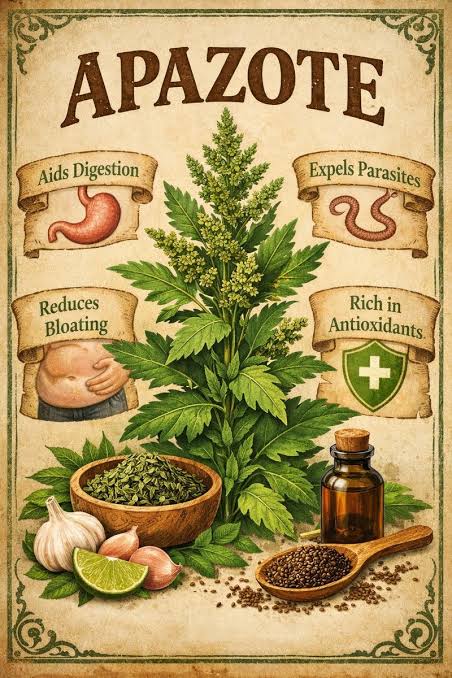

If you’ve ever eaten a truly authentic pot of Mexican black beans and wondered what gave them that deep, earthy, almost citrusy undertone, there’s a good chance the answer is epazote — sometimes spelled “apazote” — one of the most distinctive and beloved herbs in Mexican and Central American cooking. It’s pungent, it’s polarizing, and once you understand how to use it, it’s absolutely unforgettable.
This isn’t a shy, background herb like parsley or basil. Epazote has a bold, unmistakable aroma that people either fall in love with instantly or need a little time to appreciate. But for millions of home cooks across Mexico, Guatemala, and beyond, it’s simply non-negotiable — especially when it comes to cooking a proper pot of beans.
So what exactly is epazote? Where does it come from? Is it safe? And how do you actually cook with it? Settle in, because this is your complete, deeply researched guide to everything epazote.
By the end of this article, you’ll know:
- What epazote actually is, botanically and culturally
- Where the name comes from and what it means
- Its long history in Aztec, Mayan, and modern Mexican cooking
- The nutritional profile and potential health benefits
- The most popular (and surprising) culinary uses
- Important safety information you need to know before cooking with it
- How to buy, store, grow, and substitute epazote
- Answers to the most commonly asked epazote questions
Let’s get into it.
What Is Epazote? (The Quick Answer)
Epazote (pronounced eh-puh-ZOE-tay), also spelled apazote, is a leafy herb native to Central America and southern Mexico, botanically known as Dysphania ambrosioides. It belongs to the Amaranthaceae family, which also includes spinach and beet greens, and it’s sometimes still listed under its older botanical name, Chenopodium ambrosioides.
Quick Facts at a Glance:
- Botanical name: Dysphania ambrosioides (formerly Chenopodium ambrosioides)
- Common names: Epazote, apazote, wormseed, Mexican tea, Jesuit’s tea, paico, herba sanctae Mariae, pigweed
- Family: Amaranthaceae (goosefoot family)
- Native range: Central America, southern Mexico, and South America
- Plant type: Annual or short-lived perennial herb, can grow up to 4 feet tall
- Parts used: Leaves and stems, both fresh and dried
- Flavor: Bold, pungent, and hard to pin down — often described as a blend of citrus, mint, oregano, savory, and even a hint of petroleum
- Most famous use: Simmered into a pot of black beans to add flavor and reduce bloating
If you’ve never smelled epazote before, be prepared — it’s genuinely one of the most unique aromas in the culinary herb world. It’s intense, a little wild, and completely unlike anything else in a typical American spice rack.
Where Does the Name “Epazote” (or “Apazote”) Come From?
The name has deep indigenous roots and a surprisingly colorful meaning. Here’s the breakdown:
- It comes from the Nahuatl language, the language of the Aztec people, from the word “epazōtl.”
- The literal translation is striking: the name is often translated as “skunk sweat,” a direct nod to the herb’s sharp, pungent, unmistakable aroma.
- “Apazote” is a regional spelling variation of the same herb, commonly used across different parts of Mexico and Central America — so if you see either spelling, know that they refer to the exact same plant.
- Other regional names abound, including wormseed, Mexican tea, Jesuit’s tea, paico, pigweed, and herba sanctae Mariae, depending on the country and culinary tradition.
This linguistic history is a beautiful reminder of just how deeply epazote is woven into indigenous Mexican culture — its very name captures the sensory experience of cooking with it.
A Rich History: Epazote From the Aztecs to Modern Kitchens
Epazote isn’t a trendy new ingredient — it’s one of the oldest, most continuously used herbs in Mesoamerican cooking, with a history stretching back well over a thousand years.
- Cultivated for over a millennium. By the time of European contact, epazote had already been cultivated for well over a thousand years in southern and southeastern coastal Mexico.
- Revered by the Aztecs and Mayans. Both civilizations valued epazote not just as a flavoring but as a medicinal and even spiritual plant, using it to treat digestive issues and skin conditions.
- A cornerstone of Yucatán and Veracruz cuisine. The herb remains a principal flavoring in a huge number of traditional dishes from these regions, and it’s still considered indispensable for cooking black beans.
- Brought to Europe by Spanish conquistadors. In the 16th century, epazote made its way to Europe, where it gained some popularity as a flavor enhancer in traditional dishes.
- A staple across the Americas today. Epazote remains deeply embedded in Mexican, Guatemalan, and Salvadoran home kitchens, passed down through generations as a practical, functional, and flavorful cooking herb.
- Interesting global spread. Beyond the Americas, epazote is also used in parts of Morocco and the broader Mediterranean region, where it has found its own place in folk culinary and medicinal traditions.
This is a plant with serious culinary credibility — one that’s been trusted by home cooks for well over a thousand years to make beans, soups, and stews taste better and sit easier in the stomach.
What Does Epazote Taste and Smell Like?
This is where epazote truly stands apart from nearly every other culinary herb. It’s genuinely difficult to describe, and even seasoned food writers struggle to pin it down precisely. Here’s the general consensus:
- Citrusy notes, with a bright, almost lemony quality
- Minty and herbal undertones, similar to oregano or savory
- A hint of anise or licorice, reminiscent of tarragon or fennel
- An unmistakable “petroleum-like” edge, which sounds unappealing but becomes surprisingly pleasant once cooked
- A resinous, medicinal pungency when eaten raw, which mellows significantly during cooking
- An overall aroma some compare to putty or savory herbs, intense and completely unlike common American kitchen herbs
Here’s the good news: while raw epazote can taste strong and even a little overwhelming, it mellows out beautifully once it’s simmered into a dish. Most people who initially find it strange end up growing to love it, especially once they taste how it transforms a simple pot of beans into something deeply flavorful and comforting.
Why Do People Cook Epazote With Beans?
If there’s one thing epazote is famous for above all else, it’s this: cooking it with beans. Here’s why this pairing has endured for centuries.
- It’s traditionally believed to reduce gas and bloating. Epazote has long been added to beans specifically because cooks believe it helps reduce the uncomfortable digestive effects associated with eating legumes.
- It helps break down difficult-to-digest compounds. Like other classic culinary herbs such as cumin and ginger, epazote is traditionally credited with helping the body process the “gassy” oligosaccharide compounds found in beans, peas, and cruciferous vegetables.
- It contains a compound called ascaridole, a natural monoterpene that has been studied historically for its potential carminative (gas-relieving) properties.
- The evidence is largely traditional and anecdotal, meaning while this practice has been passed down for generations, rigorous modern scientific confirmation is still limited.
- It’s added toward the end of cooking. Epazote is traditionally added during the final stretch of the bean-cooking process — enough time to infuse flavor and beneficial compounds without excessive breakdown from prolonged heat.
Whether or not you’re specifically trying to reduce bloating, one thing is certain: a pot of beans simmered with epazote tastes dramatically more complex and authentic than one made without it. For many Mexican and Central American families, it’s simply how beans are supposed to taste.

Epazote Nutrition Facts
Epazote is used in small quantities as a seasoning herb rather than eaten as a primary food source, so its nutritional contribution to any single meal is modest — but it does carry some genuinely valuable nutrients.
Here’s what epazote generally contributes nutritionally:
- Calcium: Present in meaningful amounts, supporting bone health
- Iron: Contributes to healthy blood function and helps prevent anemia
- Flavonoids and antioxidants: Research has identified epazote as being rich in flavonoid content with notably high antioxidant activity
- Essential oils and volatile compounds: Including ascaridole, which gives the herb both its distinctive aroma and its traditional medicinal reputation
- Low in calories: Like most fresh culinary herbs, epazote adds negligible calories while contributing significant flavor
Why this matters for your cooking:
- Because it’s used in small amounts (typically a sprig or a teaspoon at a time), epazote functions more like a flavor and functional additive than a significant nutritional source on its own.
- Its antioxidant-rich flavonoid content aligns with modern research supporting some of its traditional digestive and anti-spasmodic uses.
- Adding epazote regularly to bean-based meals is a simple, traditional way to make plant-based, fiber-rich dishes easier to digest and more flavorful at the same time.
Potential Health Benefits of Epazote
Epazote has a long and storied history in traditional medicine, and while modern scientific research is still catching up in many areas, here’s what’s currently understood:
- Digestive support: Epazote has traditionally been used to ease stomachaches, bloating, and cramps, particularly when paired with bean-based dishes.
- Anti-spasmodic properties: Research has found that epazote’s flavonoid content shows muscle-relaxing and anti-spasmodic properties, lending some scientific support to its traditional use for digestive discomfort involving spasms.
- Traditional antiparasitic use: Epazote contains ascaridole, a compound historically studied for its effects against intestinal parasites, and Mayan traditional medicine used epazote infusions specifically for this purpose.
- Immune system support: Some traditional and modern sources point to epazote containing compounds that may help support immune function, though this remains an area with limited rigorous research.
- Anti-inflammatory folk use: Historically, epazote has also been used in folk medicine for a range of other conditions, including menstrual irregularities, asthma-related symptoms, and general respiratory support.
A critical safety note: while epazote has a long history of traditional medicinal use, modern health experts are clear that these applications should be approached with real caution. The line between a helpful culinary amount and a harmful concentrated dose is much thinner with epazote than with most common herbs — which brings us to the most important section of this guide.
Important Safety Information: Please Read Before Cooking With Epazote
This is genuinely one of the most important sections in this entire guide, so don’t skip it. Epazote is safe in normal culinary amounts, but it also has real, documented risks when used incorrectly or in concentrated form.
- Culinary amounts are considered safe for most healthy adults. Using a sprig or two of fresh epazote, or about a teaspoon of dried epazote, per pot of beans is the traditional and generally safe way to use this herb.
- Concentrated forms are dangerous. The distilled essential oil of epazote is significantly more potent and is no longer used medicinally because of documented risks including vomiting, dizziness, liver damage, and in extreme cases, death from overuse.
- It should never be used as a large-dose home remedy. While epazote has historical use as a treatment for parasites, self-medicating with large amounts is genuinely dangerous and should never be attempted without professional medical guidance.
- Pregnancy and breastfeeding: avoid it. Epazote is contraindicated during pregnancy and breastfeeding, as the plant has documented abortifacient properties, meaning it can stimulate uterine contractions and potentially cause miscarriage.
- Use in moderation, even in cooking. Most culinary sources recommend using epazote a few times a week rather than as a daily, unlimited seasoning, since long-term, continuous daily intake hasn’t been thoroughly studied for safety.
- Too much can overpower a dish — and your stomach. Even in cooking, adding too much epazote can overwhelm a dish’s flavor and, in some cases, lead to nausea.
- Rotate with other digestive herbs. For balanced use, consider rotating epazote with other carminative herbs like cumin or ginger rather than relying on it exclusively.
Bottom line: treat epazote the way it’s traditionally been treated for centuries — as a bold, potent seasoning herb used in small, intentional amounts, not as a concentrated medicinal supplement. Used this way, it’s a safe and delicious addition to your cooking. If you’re pregnant, breastfeeding, or considering it for any medicinal purpose beyond normal cooking, please consult a healthcare provider first.
How to Use Epazote in Cooking
Once you understand how to use it properly, epazote becomes an incredibly rewarding herb to cook with. Here’s how it’s traditionally incorporated into Mexican and Central American cuisine:
Classic and Traditional Uses
- Black beans and pinto beans: The single most iconic use — added toward the end of cooking to infuse flavor and support digestion.
- Frijoles de la olla: Traditional “pot beans,” a simple, comforting dish where epazote plays a starring seasoning role.
- Soups and stews: Especially those built around beans, corn, and squash — a classic combination in traditional Mexican cooking.
- Quesadillas: Fresh epazote leaves are a beloved addition to cheese quesadillas, adding an herbal, pungent contrast to the richness of melted cheese.
- Mole de olla: A traditional Mexican stew where epazote contributes deep, earthy flavor.
- Tamales de queso y rajas: Cheese and chile tamales often incorporate epazote for extra dimension.
- Chilaquiles: Some traditional preparations include epazote for an extra layer of herbal complexity.
- Salsas: Epazote can be blended into salsas for a distinctive, bold flavor note.
- Eggs and potatoes: A less common but delicious use, adding herbal depth to simple breakfast dishes.
- Enchiladas: Epazote occasionally appears in traditional enchilada preparations for extra flavor complexity.
Practical Cooking Tips
- Use fresh when possible. Fresh epazote has a more vibrant, pungent flavor than dried, though dried epazote is a convenient and shelf-stable alternative.
- Know your ratios. A common guideline is one to two tablespoons of chopped fresh leaves, or about one teaspoon of dried epazote, per pound of beans.
- Add it near the end of cooking. This preserves more of its aromatic oils and flavor compounds compared to adding it at the very start.
- Start small. Because epazote is so potent, it’s always better to start with a smaller amount and adjust to taste rather than risk overwhelming a dish.
- Double the dried amount. If you’re using dried epazote instead of fresh, you’ll generally need about twice as much to achieve a comparable flavor effect.
How to Buy, Store, and Grow Epazote
Buying Epazote
- Fresh epazote can often be found at Mexican and Latin American grocery stores, farmers markets in regions with strong Latino culinary traditions, and sometimes even growing wild in warmer climates like Southern California.
- Dried epazote is more widely available and can be found in the international or spice section of many grocery stores, as well as online specialty retailers.
- Look for vibrant green leaves if buying fresh, avoiding any that look wilted, yellowed, or slimy.
Storing Epazote
- Fresh epazote should be stored like other fresh herbs — wrapped loosely in a damp paper towel and refrigerated, where it will stay fresh for about a week.
- Dried epazote should be kept in an airtight container in a cool, dark pantry, where it can retain its flavor for several months to a year.
Growing Epazote at Home
- It’s a remarkably easy herb to grow. Epazote thrives in well-draining soil and full sunlight, making it a low-maintenance addition to an herb garden.
- It can grow surprisingly tall. As an annual or short-lived perennial, epazote can reach up to four feet in height under the right conditions.
- It self-seeds readily. In many warm climates, epazote will happily reseed itself year after year, sometimes even growing wild once established.
- Harvest younger leaves for the best flavor. Younger leaves tend to have a milder, more balanced flavor compared to older, more mature growth.
Epazote Substitutes: What to Use If You Can’t Find It
Because epazote has such a distinctive, hard-to-replicate flavor, there’s no perfect substitute — but here are some reasonable options depending on what you’re making:
- Cilantro: Doesn’t replicate the exact flavor but can add fresh, herbal brightness to bean dishes in a pinch.
- Oregano (especially Mexican oregano): Offers some of the earthy, savory quality, though without epazote’s citrusy pungency.
- Cumin: A classic carminative spice that can help with the “beans and digestion” goal, even though the flavor profile is different.
- Fennel or anise seed: Can mimic epazote’s subtle licorice-like undertone in small amounts.
- A pinch of savory or tarragon: Can help approximate some of epazote’s herbal complexity in certain dishes.
If a recipe specifically calls for epazote, especially in traditional Mexican dishes, it’s always worth seeking out the real thing when possible — no combination of substitutes fully replicates its unique flavor.
Frequently Asked Questions About Epazote (Apazote)
Is apazote the same as epazote? Yes. “Apazote” is simply a regional spelling variation of the same herb, Dysphania ambrosioides, used interchangeably across different Spanish-speaking regions.
What does epazote taste like? It’s famously hard to describe, combining citrus, mint, oregano, savory, and even a faint petroleum-like quality. It’s intense raw but mellows significantly once cooked.
Why do people add epazote to beans? Traditionally, epazote is believed to help reduce the gas and bloating associated with eating beans, while also adding a distinctive, authentic depth of flavor.
Is epazote safe to eat? In normal culinary amounts, such as a sprig or teaspoon added to a pot of beans, epazote is considered safe for most healthy adults. Concentrated forms, like essential oil, carry serious health risks and should be avoided.
Can pregnant women eat epazote? No. Epazote is contraindicated during pregnancy and breastfeeding due to documented abortifacient properties that can potentially cause miscarriage.
Where can I buy epazote in the U.S.? Fresh and dried epazote can typically be found at Mexican and Latin American grocery stores, and dried epazote is also available through online specialty retailers.
Can I grow epazote in my garden? Yes, epazote is an easy-to-grow herb that thrives in full sun and well-draining soil, and it often self-seeds readily in warmer climates.
What’s a good substitute for epazote? There’s no perfect substitute, but cilantro, Mexican oregano, cumin, or a small amount of fennel or anise seed can approximate certain elements of its flavor profile.
How much epazote should I use in cooking? A common guideline is one to two tablespoons of chopped fresh leaves, or about one teaspoon of dried epazote, per pound of beans — start small and adjust to taste.
Is epazote the same as “Mexican tea”? It can be, though “Mexican tea” is sometimes also used to refer to a different, unrelated plant called lambsquarters (Chenopodium album), so it’s important to verify the botanical name Dysphania ambrosioides when buying epazote specifically.
Final Thoughts: A Bold, Historic Herb Worth Understanding
Epazote — or apazote, depending on where you’re from — isn’t an herb you’ll forget once you’ve cooked with it. Its bold, complex, almost indescribable aroma has been trusted by Mexican and Central American cooks for well over a thousand years, transforming simple pots of beans, soups, and stews into something deeply flavorful and comforting.
Yes, it demands a bit of respect — both in terms of how much you use and how you use it. But that’s exactly what makes it such a fascinating ingredient. It’s not a background player; it’s a genuine statement herb, deeply tied to indigenous history, traditional medicine, and generations of home cooking passed down through families.
If you’ve never cooked with epazote before, there’s never been a better time to start. Pick up a bunch, add a small amount to your next pot of black beans, and experience firsthand why this pungent, historic herb has earned its permanent place at the heart of Mexican cuisine.
#Epazote #Apazote #MexicanHerbs #MexicanCuisine #HerbGarden #DigestiveHealth #TraditionalMedicine #MexicanFood #BeanRecipes #HerbalRemedies #AuthenticMexicanFood #CookingWithHerbs #LatinAmericanCuisine #FoodieLife #HomeCooking #NaturalRemedies #HerbLovers #GrowYourOwnHerbs #CulinaryHerbs #KitchenEssentials #RecipeIdeas #AmericanKitchen #FoodBlogger #IndigenousFoodways #HerbalTradition #FlavorfulFood #CookingTips #FoodCulture #PlantBasedCooking #TasteOfMexico
