
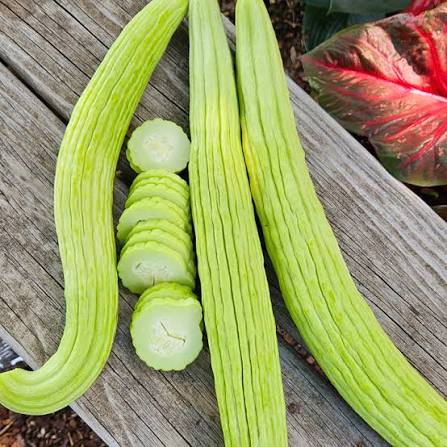

If you’ve never met an Armenian cucumber, get ready to fall in love. This isn’t your average grocery-store cuke wrapped in plastic and sad. We’re talking about a long, curly, pale-green, ridiculously refreshing vegetable (technically a fruit, but let’s not get into that argument right now) that’s been quietly stealing hearts in gardens and farmers markets for centuries. It’s crunchy. It’s mild. It’s practically seedless. And once you try it, you’ll wonder why it isn’t sitting front and center in every produce aisle in America.
In this guide, we’re going deep. Like, really deep. We’ll cover everything from what an Armenian cucumber actually is, where it came from, why it’s not technically a cucumber at all (plot twist), how to grow it in your own backyard, how to cook with it, how to store it, and even how to troubleshoot the most common problems gardeners run into. Whether you’re a curious home cook, a backyard gardener looking for your next favorite crop, or someone who just Googled “long curly cucumber” after seeing one at the farmers market, you’re in the right place.
Grab a glass of iced tea (or better yet, a chilled cucumber-mint cooler — recipe below) and let’s get into it.
Table of Contents
- What Exactly Is an Armenian Cucumber?
- The Surprising Truth: It’s Not Really a Cucumber
- A Quick History of the Armenian Cucumber
- Armenian Cucumber vs. Regular Cucumber: What’s the Difference?
- Nutritional Profile: Why This Veggie Deserves a Spot on Your Plate
- Health Benefits of Armenian Cucumber
- How to Grow Armenian Cucumbers From Seed
- Soil, Sunlight, and Watering Requirements
- Trellising: The Secret to Straighter, Cleaner Cucumbers
- Common Pests and Diseases (and How to Beat Them)
- When and How to Harvest
- How to Store Armenian Cucumbers
- Culinary Uses: Cooking and Eating Armenian Cucumbers
- 7 Delicious Armenian Cucumber Recipes
- Armenian Cucumber for Pickling
- Where to Buy Seeds and Fresh Armenian Cucumbers
- Frequently Asked Questions
- Final Thoughts
- Hashtags
What Exactly Is an Armenian Cucumber?
Let’s start with the basics. The Armenian cucumber (scientific name Cucumis melo var. flexuosus) is a long, ribbed, pale to medium green vegetable that curls and twists as it grows — which is exactly why it’s sometimes called the “snake cucumber” or “snake melon.” It can grow anywhere from 12 inches to a jaw-dropping 3 feet long if you let it, though most home gardeners harvest them between 12 and 18 inches for the best flavor and texture.
Here’s what makes it stand out the moment you see it:
- Long and curly shape – it often coils like a garden hose, which is part of its charm (and part of why it’s so much fun to grow)
- Thin, ridged skin – pale green with faint stripes running lengthwise
- Mild, sweet, almost melon-like flavor – less bitter than standard cucumbers
- Tiny, barely-there seeds – no bitter seed cavity to scoop out
- Thin skin – no need to peel it, which saves time and preserves nutrients
- Crisp, watery texture – incredibly hydrating and refreshing
Because it’s so mild and crunchy, it works beautifully raw in salads, sliced onto sandwiches, blended into smoothies, or tossed into a big bowl of tzatziki. It’s also fantastic pickled, which we’ll get into later.
The Surprising Truth: It’s Not Really a Cucumber
Here’s the fun fact that surprises almost everyone: the Armenian cucumber isn’t actually a cucumber at all. Botanically speaking, it’s a type of muskmelon — yes, the same species that gives us cantaloupe. It just happens to look, taste, and behave like a cucumber, so it earned the name over generations of casual use.
This is why Armenian cucumbers:
- Have a subtly sweet, almost fruity undertone
- Are far less likely to cause bitterness or “cucumber burps”
- Grow on vines that resemble melon vines more than traditional cucumber vines
- Tend to be more heat-tolerant and drought-resistant than regular cucumbers, since melons generally handle heat better
So next time someone at a dinner party tries to correct you, you can confidently say, “Actually, it’s a melon.” Watch their mind get blown.
A Quick History of the Armenian Cucumber
The Armenian cucumber has roots that stretch back centuries across the Middle East, the Mediterranean, and parts of Asia. Despite the name, it’s believed to have originated somewhere in the region spanning from Egypt through the Middle East, eventually becoming closely associated with Armenian and broader Mediterranean cuisine, where it earned its popular name.
For generations, it’s been a staple in:
- Middle Eastern markets and home gardens
- Mediterranean salads and mezze spreads
- Central Asian and Persian cuisine
- Home gardens across Europe, where it’s sometimes called the “snake melon”
Its popularity in the U.S. has grown steadily thanks to farmers markets, heirloom seed catalogs, and gardeners looking for something a little more interesting than the standard slicing cucumber. It’s become a favorite among home growers because it’s low-maintenance, high-yield, and honestly kind of fun to grow — who doesn’t want to brag about a three-foot-long curly vegetable hanging off their trellis?
Interestingly, different regions have their own name for this crop, which sometimes causes confusion at the seed rack:
- Snake cucumber – a nod to its long, twisting shape
- Snake melon – the more botanically accurate name
- Yard-long cucumber – used in some seed catalogs, though this name is also sometimes applied to a different Asian variety
- Uzbek cucumber – used in parts of Central Asia
- Painted serpent cucumber – an especially poetic heirloom name you’ll sometimes see in specialty catalogs
No matter what you call it, the plant behind all these names is the same delicious, easy-to-grow vine that’s been quietly feeding families across multiple continents for generations. It’s the kind of vegetable that tells a story — passed down through immigrant gardens, tucked into suitcases as seeds, and shared over backyard fences between neighbors who just wanted someone else to try it.
Armenian Cucumber vs. Regular Cucumber: What’s the Difference?
Let’s break this down so you know exactly what you’re working with.
Appearance
- Armenian cucumber: long, ribbed, pale green, curly
- Regular cucumber: shorter, smoother, darker green, straight
Taste
- Armenian cucumber: mild, sweet, slightly melon-like
- Regular cucumber: crisp, sometimes slightly bitter, more “grassy”
Seeds
- Armenian cucumber: tiny, soft, barely noticeable even in larger fruits
- Regular cucumber: larger, more noticeable seeds, especially in overripe ones
Skin
- Armenian cucumber: thin, tender, no need to peel
- Regular cucumber: thicker, sometimes waxed, often peeled
Digestibility
- Armenian cucumber: generally easier on the stomach, less likely to cause bloating
- Regular cucumber: can cause discomfort for some due to cucurbitacins (the compound responsible for bitterness)
Growing habits
- Armenian cucumber: vigorous vines, heat-tolerant, drought-resistant
- Regular cucumber: more sensitive to heat stress and inconsistent watering
If you’ve ever struggled with bitter cucumbers or found regular cukes a little rough on your digestion, the Armenian variety might be exactly the switch you didn’t know you needed.
Nutritional Profile: Why This Veggie Deserves a Spot on Your Plate
Armenian cucumbers are low in calories and high in hydration, which makes them a fantastic addition to just about any diet — whether you’re focused on weight management, clean eating, or just trying to eat more fresh produce.
A typical 1-cup serving (about 100 grams) of Armenian cucumber offers approximately:
- Calories: around 15–16
- Water content: about 95%
- Carbohydrates: roughly 3–4 grams
- Fiber: about 1 gram
- Protein: less than 1 gram
- Fat: virtually none
- Vitamin K: supports bone health and blood clotting
- Vitamin C: supports immune function and skin health
- Potassium: supports healthy blood pressure and muscle function
- Magnesium: supports nerve and muscle function
- Antioxidants: including beta-carotene and flavonoids
Because it’s so low in calories and so high in water content, it’s one of the most naturally hydrating foods you can eat — right up there with watermelon and celery.
Health Benefits of Armenian Cucumber
Let’s talk about why this crunchy green powerhouse deserves more attention on your plate.
- Supports Hydration With a water content close to 95%, Armenian cucumbers are one of the easiest ways to boost your daily fluid intake, especially during hot summer months.
- Supports Healthy Digestion The fiber content, combined with high water content, supports regular digestion and can help ease occasional constipation.
- May Support Weight Management Low in calories and high in volume, Armenian cucumbers can help you feel full without packing on calories — great for anyone watching their intake.
- Supports Skin Health Vitamin C and antioxidants found in Armenian cucumbers may support collagen production and help protect skin cells from oxidative stress.
- Supports Heart Health Potassium plays a key role in maintaining healthy blood pressure levels, and cucumbers are a naturally low-sodium way to work more potassium into your diet.
- Naturally Low in Sugar Despite its subtle sweetness, Armenian cucumber is very low in natural sugars, making it a smart choice for those watching blood sugar levels (always check with a healthcare provider for personalized advice).
- Supports Bone Health Thanks to its vitamin K content, this cucumber variety can be a small but meaningful contributor to a bone-healthy diet.
- Gentle on the Stomach Many people find Armenian cucumbers easier to digest than standard cucumbers because they contain less of the compound responsible for bitterness and post-meal discomfort.
How to Grow Armenian Cucumbers From Seed
Ready to grow your own? Good news — Armenian cucumbers are one of the easier and more forgiving vegetables (er, melons) you can grow, even for beginners.
Step 1: Choose the Right Time Armenian cucumbers love warmth. Wait until all danger of frost has passed and soil temperatures are consistently above 65°F. In most U.S. regions, this means late spring, typically a couple of weeks after your last frost date.
Step 2: Start Seeds Indoors or Direct Sow
- Indoors: Start seeds 3–4 weeks before your last frost date in biodegradable pots to minimize transplant shock, since vining plants like this don’t love having their roots disturbed.
- Direct sow: Once soil has warmed, plant seeds directly into the garden about ½ to 1 inch deep.
Step 3: Spacing Matters
- Space seeds or seedlings about 12 inches apart if trellising
- Space rows 3–4 feet apart if letting vines sprawl on the ground
Step 4: Germination Expect seedlings to emerge in 5–10 days under warm conditions. Keep soil consistently moist (not soggy) during this stage.
Step 5: Thin Seedlings Once seedlings have their first true leaves, thin to the strongest plant every 12 inches to avoid overcrowding.
Soil, Sunlight, and Watering Requirements
Getting the growing conditions right is the difference between a so-so harvest and a jaw-dropping bumper crop.
Sunlight
- Full sun is a must — aim for at least 6–8 hours of direct sunlight per day
- More sun generally means more vigorous vines and better fruit production
Soil
- Well-draining, loamy soil is ideal
- Amend heavy clay soil with compost to improve drainage
- Slightly acidic to neutral pH (6.0–6.8) works best
- Mix in aged compost or well-rotted manure before planting for a nutrient boost
Watering
- Deep, consistent watering is key — aim for about 1–2 inches of water per week
- Water at the base of the plant rather than overhead to reduce the risk of fungal disease
- Mulch around the base to retain moisture and suppress weeds
- Avoid letting the soil dry out completely between waterings, as inconsistent watering can lead to misshapen or bitter fruit
Fertilizing
- Feed with a balanced fertilizer (like a 10-10-10) at planting
- Switch to a higher-phosphorus, higher-potassium fertilizer once flowering begins to encourage fruit production
- Avoid excessive nitrogen, which can lead to lots of leafy growth but fewer cucumbers
Trellising: The Secret to Straighter, Cleaner Cucumbers
Here’s a pro tip that separates casual growers from Armenian cucumber pros: trellis your vines.
Why it matters:
- Vines can grow 8–10 feet long, so letting them sprawl on the ground eats up valuable garden space
- Fruits that grow on the ground tend to curl more dramatically and can develop soft spots or rot from soil contact
- Trellised cucumbers hang down and grow straighter, making them easier to harvest and nicer to look at
- Better airflow around trellised vines reduces the risk of powdery mildew and other fungal issues
How to trellis:
- Use a sturdy A-frame trellis, cattle panel, or vertical netting at least 6 feet tall
- Gently guide young vines onto the trellis as they grow — they’ll take it from there with their tendrils
- Check every few days early in the season to keep vines climbing in the right direction
Best Growing Zones and Climate Considerations
Armenian cucumbers are wonderfully adaptable, but understanding your climate can help you get the biggest, most flavorful harvest possible.
USDA Hardiness Zones
- Grows as an annual in nearly all USDA zones (3–11)
- Performs especially well in warmer zones (7–10) where the growing season is long and hot
- In cooler zones, start seeds indoors early to maximize your growing window before fall frost
Heat tolerance Unlike standard cucumbers, which can sulk and stop producing during heat waves, Armenian cucumbers actually thrive in high temperatures. This makes them an excellent choice for gardeners in the South, Southwest, and other regions where summer heat regularly tops 90°F.
Cold sensitivity Like most melon-family plants, Armenian cucumbers are highly sensitive to frost and cold soil. Never transplant seedlings outdoors until nighttime temperatures reliably stay above 50°F.
Season length
- Days to maturity: approximately 60–70 days from seed
- Gardeners in shorter-season climates should start seeds indoors 3–4 weeks before the last frost to give plants a head start
Companion Planting for Armenian Cucumbers
Pairing your Armenian cucumbers with the right neighbors in the garden can improve pollination, deter pests naturally, and make the most of your growing space.
Great companion plants:
- Radishes – help repel cucumber beetles
- Marigolds – deter a range of common garden pests with their strong scent
- Nasturtiums – act as a trap crop, luring aphids away from your cucumbers
- Dill – attracts beneficial predatory insects that feed on aphids and other pests
- Corn – can provide light afternoon shade in extremely hot climates while cucumbers climb nearby structures
- Beans and peas – nitrogen-fixing plants that can boost soil fertility nearby
Plants to avoid pairing nearby:
- Potatoes – can compete for nutrients and may increase disease risk
- Aromatic herbs like sage – some gardeners report reduced vigor in cucurbits planted too close to strong-smelling herbs, though results vary
A thoughtfully planned companion garden not only supports healthier Armenian cucumber vines but also creates a more balanced, self-sustaining ecosystem in your backyard.
Common Pests and Diseases (and How to Beat Them)
Even easy-growing plants run into problems. Here’s what to watch for:
Cucumber Beetles
- Small yellow-and-black striped or spotted beetles that chew on leaves and can spread bacterial wilt
- Solution: Use row covers early in the season, hand-pick beetles, or apply diatomaceous earth around the base of plants
Aphids
- Tiny insects that cluster on new growth and undersides of leaves
- Solution: Spray with a strong stream of water, introduce ladybugs, or use insecticidal soap
Powdery Mildew
- White, powdery patches on leaves, common in humid conditions or when airflow is poor
- Solution: Improve air circulation through trellising and proper spacing, avoid overhead watering, and apply a mild baking soda spray or neem oil if caught early
Squash Vine Borers
- Less common on Armenian cucumbers than on squash, but still possible
- Solution: Monitor the base of stems for small holes or sawdust-like frass, and remove affected vines promptly
Bacterial Wilt
- Causes vines to wilt suddenly despite adequate water, often spread by cucumber beetles
- Solution: Control cucumber beetle populations early, since there’s no cure once a plant is infected
Blossom End Rot
- Rare in Armenian cucumbers but can occur with inconsistent watering or calcium deficiency
- Solution: Maintain consistent soil moisture and consider a calcium-rich amendment if it becomes a recurring issue
When and How to Harvest
Timing is everything with Armenian cucumbers. Wait too long, and they can get overly large, seedy, and less flavorful.
Signs it’s ready to harvest:
- Fruit reaches 12–18 inches in length (though it’s technically edible up to 36 inches)
- Skin is pale green and firm, not yellowing
- Fruit feels firm when gently squeezed, not soft or mushy
How to harvest:
- Use garden shears or a sharp knife to cut the stem, leaving about an inch of stem attached
- Avoid twisting or pulling, which can damage the vine
- Harvest regularly (every 2–3 days during peak season) to encourage the plant to keep producing
Pro tip: The more you harvest, the more your plant will produce. Letting fruits mature and yellow on the vine signals the plant to slow down production, so stay on top of picking throughout the season.
How to Store Armenian Cucumbers
Because of their thin skin and high water content, Armenian cucumbers are best enjoyed fresh, but proper storage can extend their life significantly.
- Refrigeration: Store unwashed in a perforated plastic bag in the crisper drawer; they’ll typically stay fresh for about 7–10 days
- Avoid extreme cold: Cucumbers are sensitive to chilling injury below about 40°F, so keep them toward the front of the fridge rather than the very back
- Don’t wash before storing: Excess moisture speeds up spoilage — wash right before you plan to eat or cook with them
- Freezing: Not ideal for raw eating afterward, but you can freeze pureed cucumber for smoothies or cold soups
- Pickling: The best long-term storage option — pickled Armenian cucumbers can last for months (recipe below)
Culinary Uses: Cooking and Eating Armenian Cucumbers
This is where Armenian cucumbers really shine. Their mild flavor and crisp texture make them incredibly versatile in the kitchen.
Eat it raw:
- Sliced into salads
- Layered onto sandwiches and wraps
- Cut into sticks for dipping into hummus or tzatziki
- Tossed into a Mediterranean-style chopped salad with tomatoes, olives, and feta
Blend it:
- Added to smoothies for extra hydration without overpowering flavor
- Blended into chilled soups like a twist on gazpacho
- Juiced alongside mint, lemon, and ginger for a refreshing detox drink
Cook it:
- Lightly sautéed with garlic and olive oil
- Added to stir-fries in the last few minutes of cooking to retain crunch
- Grilled in thick slices for a smoky, tender side dish
Ferment or pickle it:
- Quick-pickled with vinegar, dill, and garlic
- Fermented for a probiotic-rich, tangy snack
Garnish with it:
- Thin ribbons on top of cold noodle dishes
- Curled slices as an elegant garnish for cocktails and mocktails
7 Delicious Armenian Cucumber Recipes
1. Classic Armenian Cucumber Salad
A simple, refreshing salad that lets the cucumber shine.
- Thinly slice Armenian cucumber, red onion, and cherry tomatoes
- Toss with olive oil, lemon juice, salt, pepper, and fresh dill
- Top with crumbled feta cheese
- Chill for 15 minutes before serving for maximum refreshment
2. Cucumber-Mint Cooler
The drink mentioned earlier — perfect for hot days.
- Blend chopped Armenian cucumber, fresh mint leaves, lime juice, and a touch of honey
- Strain and pour over ice
- Top with sparkling water for a fizzy twist
3. Armenian Cucumber Tzatziki
A creamy, tangy dip that pairs beautifully with pita, grilled meats, or veggies.
- Grate Armenian cucumber and squeeze out excess moisture
- Mix with Greek yogurt, minced garlic, olive oil, lemon juice, and fresh dill
- Season with salt and pepper, then chill before serving
4. Quick-Pickled Armenian Cucumbers
A tangy snack ready in under an hour.
- Slice cucumbers into thin rounds or spears
- Combine vinegar, water, sugar, salt, garlic, and dill in a saucepan and bring to a simmer
- Pour the hot brine over cucumbers in a jar
- Refrigerate for at least 30 minutes before eating (better after a few hours)
5. Mediterranean Chopped Salad
A hearty, colorful salad perfect for lunch or a side dish.
- Combine diced Armenian cucumber, tomatoes, bell peppers, red onion, chickpeas, and parsley
- Dress with olive oil, red wine vinegar, oregano, salt, and pepper
- Top with crumbled feta or a drizzle of tahini
6. Grilled Armenian Cucumber
An unexpected but delicious way to prepare it.
- Slice lengthwise into thick planks
- Brush with olive oil, salt, pepper, and a touch of smoked paprika
- Grill for 2–3 minutes per side until lightly charred
- Finish with a squeeze of lemon and fresh herbs
7. Cold Cucumber-Yogurt Soup
A chilled soup perfect for summer.
- Blend Armenian cucumber, plain yogurt, garlic, olive oil, and a splash of vinegar until smooth
- Season with salt, pepper, and fresh dill
- Chill for at least an hour and serve with a drizzle of olive oil on top
8. Armenian Cucumber and Avocado Salsa
A creamy, crunchy topping that goes with everything from tacos to grilled fish.
- Dice Armenian cucumber, avocado, red onion, and jalapeño
- Toss with lime juice, cilantro, salt, and a drizzle of olive oil
- Serve immediately with tortilla chips or spooned over grilled protein
9. Cucumber Noodle Salad with Sesame Dressing
A light, refreshing dish inspired by Asian flavors.
- Spiralize or julienne Armenian cucumber into noodle-like strands
- Whisk together soy sauce, rice vinegar, sesame oil, honey, and a touch of chili flakes
- Toss cucumber noodles with the dressing and top with sesame seeds and sliced scallions
10. Armenian Cucumber Gazpacho
A chilled Spanish-inspired soup perfect for scorching summer days.
- Blend Armenian cucumber, ripe tomatoes, red bell pepper, garlic, olive oil, and sherry vinegar until smooth
- Season with salt, pepper, and a pinch of smoked paprika
- Chill for at least two hours and garnish with diced cucumber and a drizzle of olive oil before serving
Armenian Cucumber for Pickling
If you’re a pickling enthusiast, Armenian cucumbers might just become your new favorite base ingredient. Their thin skin means less prep work (no peeling needed), and their mild flavor absorbs brine beautifully.
Tips for the best pickled Armenian cucumbers:
- Choose smaller, younger cucumbers (12–15 inches) for the crispest texture
- Slice into spears, rounds, or leave whole depending on your preference
- Use a classic dill brine (vinegar, water, salt, sugar, garlic, dill, and peppercorns) for a traditional flavor
- Add a small piece of grape leaf or a pinch of alum-free calcium chloride to help maintain crunch, if desired
- Store finished pickles in the refrigerator for quick pickles, or process in a water bath canner for shelf-stable jars
- Let pickles sit for at least 24–48 hours before eating for the best flavor development
Where to Buy Seeds and Fresh Armenian Cucumbers
Seeds: Armenian cucumber seeds are widely available through heirloom and specialty seed companies, as well as many general garden centers during spring planting season. Look for varieties labeled “Armenian cucumber,” “snake melon,” or “Cucumis melo var. flexuosus.”
Fresh cucumbers:
- Farmers markets, especially in late summer, are your best bet for finding fresh Armenian cucumbers
- Middle Eastern and Mediterranean grocery stores frequently carry them
- Some specialty grocery stores and co-ops stock them seasonally
- CSA (Community Supported Agriculture) boxes sometimes include them as a fun seasonal surprise
Saving Seeds for Next Season
One of the best parts of growing Armenian cucumbers is that they’re an open-pollinated heirloom variety, which means you can save seeds year after year and grow the exact same plant again — no need to buy new seed packets every spring.
How to save Armenian cucumber seeds:
- Let a few fruits mature fully on the vine well past the eating stage, until the skin turns yellow or golden and feels hard
- Cut the fruit open and scoop the seeds and surrounding pulp into a small bowl
- Add a splash of water and let the mixture ferment at room temperature for 2–3 days, stirring once daily; this mimics the natural fermentation process and helps remove the seed coating while also killing off potential seed-borne diseases
- Rinse the seeds thoroughly in a fine mesh strainer once viable seeds sink to the bottom
- Spread seeds on a paper towel or screen and let them air dry completely for about a week, stirring occasionally to prevent clumping
- Store dried seeds in a labeled paper envelope in a cool, dark, dry place
A word of caution: Because Armenian cucumbers are technically melons, they can cross-pollinate with other melon varieties (though not with true cucumbers) if grown nearby. If you want to save true-to-type seeds, either isolate your plants from other melon varieties or hand-pollinate and bag the flowers.

Armenian Cucumber Compared to Other Specialty Cucumber Varieties
If you’re a fan of unusual garden vegetables, you might be wondering how Armenian cucumber stacks up against other specialty types you may have seen at the nursery or in seed catalogs.
Armenian Cucumber vs. English Cucumber
- English cucumbers are seedless and thin-skinned like Armenian cucumbers, but they grow straight and belong to the true cucumber species (Cucumis sativus)
- Armenian cucumbers tend to have a slightly sweeter, more melon-forward flavor
Armenian Cucumber vs. Persian Cucumber
- Persian cucumbers are small, crisp, and closely related to English cucumbers
- Armenian cucumbers are significantly longer and have that signature curl Persian cucumbers lack
Armenian Cucumber vs. Lemon Cucumber
- Lemon cucumbers are round, yellow, and about the size of a tennis ball
- Armenian cucumbers are long and curling, offering a completely different visual and textural experience, though both share a mild sweetness
Armenian Cucumber vs. Japanese Cucumber
- Japanese cucumbers are slender, bumpy-skinned, and very crisp
- Armenian cucumbers are smoother-skinned and typically grow much longer
Each of these varieties has its own charm, but Armenian cucumber consistently wins points for ease of growing, generous yields, and that irresistible mild sweetness that makes it so easy to love.
Frequently Asked Questions
Is Armenian cucumber the same as a regular cucumber? No. While it looks and tastes similar, it’s botanically a type of melon, not a true cucumber.
Do I need to peel Armenian cucumber before eating? No, the skin is thin and tender, so peeling isn’t necessary. Just give it a good rinse.
Why is my Armenian cucumber curly? Curling is completely natural and part of the variety’s signature look. It happens as the fruit grows and twists during development.
Can I eat Armenian cucumber seeds? Yes. The seeds are small, soft, and completely edible, even in larger fruits.
How long does it take to grow Armenian cucumbers? Most varieties are ready for harvest about 60–70 days after planting.
Is Armenian cucumber good for weight loss? It’s low in calories and high in water and fiber, which can support a healthy, balanced approach to weight management as part of an overall healthy diet.
Can Armenian cucumbers be grown in containers? Yes, as long as the container is large enough (at least 5 gallons) and has a trellis for the vines to climb.
Why does my Armenian cucumber taste bitter? Inconsistent watering, extreme heat stress, or letting the fruit overripen on the vine can occasionally cause bitterness, though it’s much less common than with standard cucumbers.
Can I substitute Armenian cucumber in recipes that call for regular cucumber? Absolutely. Its mild flavor and thin skin make it an easy, often superior substitute in most recipes.
Is Armenian cucumber keto-friendly? Yes, it’s low in net carbs and calories, making it a popular choice for low-carb and keto meal plans.
Can dogs or pets eat Armenian cucumber? In small amounts, plain cucumber is generally considered a safe treat for dogs, but always check with a veterinarian before introducing new foods to a pet’s diet, especially if any seasoning or dressing has been added.
Why is my Armenian cucumber plant producing flowers but no fruit? This is usually a pollination issue. Armenian cucumber plants produce separate male and female flowers, and female flowers (which have a tiny swollen bulb behind the petals) need to be pollinated by bees or other insects to set fruit. Attracting more pollinators with companion flowers, or hand-pollinating with a small paintbrush, can help.
How many cucumbers can one plant produce? A healthy, well-cared-for Armenian cucumber vine can produce a surprisingly generous harvest, often 10–20+ fruits over the course of a growing season, especially if you harvest regularly to encourage continued production.
Can I grow Armenian cucumber vertically in a small space? Yes, and it’s actually one of the best small-space vegetables you can grow. With a sturdy trellis, a single plant can produce a large harvest in a very small footprint, making it perfect for raised beds, containers, or tight urban gardens.
Does Armenian cucumber need to be cooked before eating? No, it’s delicious and completely safe to eat raw. Cooking is entirely optional and simply offers a different flavor and texture experience.
What does Armenian cucumber taste like compared to a regular cucumber? Most people describe it as milder, sweeter, and slightly more “green melon” in flavor, with none of the bitterness that sometimes shows up in standard cucumbers.
Final Thoughts
The Armenian cucumber is one of those wonderfully underrated garden treasures that deserves way more attention than it gets. It’s easy to grow, generous in production, gentle on your stomach, endlessly versatile in the kitchen, and honestly just fun to show off in the garden thanks to that iconic curly shape. Whether you’re slicing it into a summer salad, blending it into a cooling drink, pickling it for later, or simply eating it straight off the vine like a snack, this “not-quite-a-cucumber” has a way of earning a permanent spot in your garden and your kitchen.
If you’ve been hesitating about adding something new to your garden this season, consider this your sign. Grab a packet of seeds, set up a trellis, and get ready to enjoy one of the most rewarding, refreshing, and conversation-starting vegetables (okay, melons) you’ll ever grow.
Hashtags
#ArmenianCucumber #SnakeMelon #GardenToTable #HeirloomVegetables #HomeGardening #VegetableGarden #GrowYourOwnFood #HealthyEating #CleanEating #FreshProduce #SummerGarden #GardeningTips #FarmersMarketFinds #PicklingRecipes #CucumberRecipes #MediterraneanDiet #PlantBasedEating #HealthyLifestyle #KitchenGarden #OrganicGardening #VeggieLovers #HealthyRecipes #GardenHarvest #BackyardGarden #FoodieFinds #EatSeasonal #HydratingFoods #GardeningForBeginners #SustainableLiving #FarmToTable
