
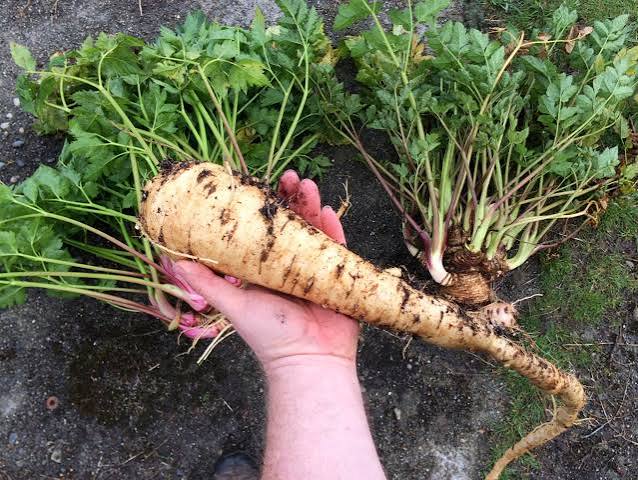

If you love potatoes, carrots, and celery but wish someone would combine the best parts of all three into one incredible root vegetable, meet arracacha. It’s creamy like a potato, sweet like a carrot, and has a subtle nutty, celery-like aroma that makes it completely unlike anything else in the produce aisle. And yet, most Americans have never even heard of it.
That’s about to change.
Arracacha (pronounced ah-rah-KAH-cha) has been a beloved staple across the Andes and parts of South and Central America for thousands of years, and it’s finally starting to make its way onto plates, into food blogs, and onto the radar of curious home cooks and gardeners across the U.S. In this deep-dive guide, we’re covering everything you need to know: what arracacha actually is, where it comes from, why it’s so nutritious, how to grow it, how to cook it, and why it might just become your new favorite root vegetable obsession.
Let’s dig in — literally.
Table of Contents
- What Is Arracacha?
- A Quick History and Cultural Significance
- Arracacha vs. Potatoes, Carrots, and Celery Root
- Nutritional Profile: What Makes Arracacha So Special
- Health Benefits of Arracacha
- How to Grow Arracacha at Home
- Ideal Soil, Sunlight, and Climate Conditions
- Watering, Fertilizing, and Ongoing Care
- Common Pests and Diseases
- When and How to Harvest Arracacha
- How to Store Arracacha
- Culinary Uses: Cooking with Arracacha
- 8 Delicious Arracacha Recipes
- Arracacha for Babies and Special Diets
- Where to Buy Arracacha in the U.S.
- Frequently Asked Questions
- Final Thoughts
- Hashtags
What Is Arracacha?
Arracacha (Arracacia xanthorrhiza) is a root vegetable native to the Andean regions of South America. It looks a bit like a cross between a carrot and a yucca root — typically cream, yellow, white, or purple in color, with a knobby, irregular shape and a texture that cooks up soft, creamy, and slightly starchy.
Here’s what makes it so special:
- Flavor profile – a unique blend of potato, carrot, chestnut, and celery, with a subtle sweetness
- Texture – creamy and smooth when cooked, similar to a well-mashed potato but slightly denser
- Versatility – can be boiled, mashed, fried, roasted, or turned into flour
- Nutrient density – packed with easily digestible carbohydrates, vitamins, and minerals
- Multiple colors – varieties range from pale white to bright yellow to deep purple, depending on the region and cultivar
Arracacha isn’t just a novelty root — it’s a genuine dietary staple across Colombia, Venezuela, Ecuador, Peru, Bolivia, and Brazil, where it goes by different regional names including apio (in Venezuela), mandioquinha or batata baroa (in Brazil), and racacha in parts of Peru.
A Quick History and Cultural Significance
Arracacha has been cultivated in the high-altitude valleys of the Andes for thousands of years, long before European contact with the Americas. Indigenous communities throughout the region domesticated the plant and relied on it as a dietary staple, valuing it for its reliability in cooler mountain climates where other crops struggled.
Some key historical highlights:
- Arracacha is believed to have originated in the northern Andes, in the region spanning modern-day Colombia, Venezuela, Ecuador, and Peru
- It has long been considered a “poor man’s staple” in parts of South America, similar to how potatoes were historically viewed in parts of Europe — filling, affordable, and reliable
- Despite centuries of cultivation, arracacha remained relatively unknown outside South America for a long time, overshadowed by more globally famous relatives like the potato and carrot
- In Brazil, it’s become such a beloved comfort food that “batata baroa” purée is a common side dish served alongside grilled meats, similar to how mashed potatoes are served in the U.S.
- Today, it’s gaining renewed interest among chefs, nutritionists, and home gardeners worldwide who are rediscovering heirloom and heritage crops
As global interest in unique, nutrient-dense, and sustainably grown vegetables continues to rise, arracacha is finally getting its moment in the spotlight — and for good reason.
Regional names worth knowing: Because arracacha has been grown and cherished across so many different countries and cultures, it carries a whole collection of regional nicknames. If you’re shopping at a Latin American market or scanning a menu, keep an eye out for these:
- Apio – common in Venezuela (not to be confused with celery, which is also sometimes called apio elsewhere)
- Mandioquinha or batata baroa – widely used across Brazil
- Racacha or virraca – used in parts of Peru
- Zanahoria blanca – “white carrot,” a descriptive nickname used in some Andean communities
- Peruvian carrot or Peruvian parsnip – common English-language names used by importers and specialty grocers in the U.S.
- Apio criollo – sometimes used in Colombia to distinguish it from imported celery
Why it stayed a hidden gem for so long: Part of the reason arracacha never achieved the global fame of the potato has to do with its growing requirements. Unlike potatoes, which adapt to an enormous range of climates, arracacha prefers the cooler, high-altitude conditions of its native Andean valleys. This made it much harder to cultivate commercially at scale outside of South America, limiting its spread compared to more climate-flexible crops. It’s only in recent years, as international food culture has embraced heirloom and heritage crops, that arracacha has started attracting real attention from chefs, nutrition researchers, and adventurous home gardeners around the world.
Arracacha vs. Potatoes, Carrots, and Celery Root
So how does arracacha actually compare to the root vegetables you already know and love? Let’s break it down.
Flavor
- Arracacha: sweet, nutty, subtly reminiscent of celery and chestnut
- Potato: mild, starchy, neutral
- Carrot: sweet, earthy
- Celery root (celeriac): earthy, slightly peppery, celery-forward
Texture
- Arracacha: creamy, smooth, slightly denser than potato
- Potato: fluffy or waxy depending on variety
- Carrot: firm, crisp raw, soft cooked
- Celery root: firm, somewhat fibrous
Digestibility
- Arracacha: contains very small, easily digestible starch granules, making it gentle on the digestive system
- Potato: starch granules are larger and can be harder to digest for some people
- Carrot: generally easy to digest
- Celery root: can be harder to digest raw due to fiber content
Cooking versatility
- Arracacha: boiled, mashed, fried, roasted, baked into breads, turned into flour
- Potato: extremely versatile, similar range of uses
- Carrot: raw, roasted, boiled, juiced
- Celery root: roasted, mashed, raw in slaws
Nutrient standouts
- Arracacha: notably rich in calcium and easily digestible fiber compared to potatoes
- Potato: high in potassium and vitamin C
- Carrot: exceptionally high in beta-carotene
- Celery root: good source of vitamin K and fiber
If you’re someone who loves potatoes but occasionally deals with digestive discomfort, arracacha is genuinely worth trying — its finer starch structure tends to be gentler on the stomach, which is part of why it’s so often recommended as one of the first solid foods for babies across South America.

Nutritional Profile: What Makes Arracacha So Special
A 1-cup serving (about 150 grams) of cooked arracacha typically provides approximately:
- Calories: around 130–140
- Carbohydrates: roughly 30–32 grams
- Fiber: about 2–3 grams
- Protein: approximately 1–2 grams
- Fat: virtually none
- Calcium: notably higher than most root vegetables, supporting bone health
- Vitamin A: particularly in yellow and orange varieties
- Vitamin C: supports immune function
- Potassium: supports healthy blood pressure and muscle function
- Iron: contributes to healthy blood and energy levels
- Riboflavin (Vitamin B2): supports energy metabolism
What really sets arracacha apart nutritionally is its unique starch composition. The starch granules in arracacha are among the smallest of any commonly eaten root vegetable, which is part of why it’s so gentle on digestion and why it’s traditionally used as a weaning food for infants throughout South America.
Health Benefits of Arracacha
Let’s talk about why this humble root deserves a permanent spot in your rotation.
- Easy on Digestion Thanks to its finely structured starch granules, arracacha is significantly easier to digest than many other starchy vegetables, making it a great option for people with sensitive stomachs.
- Supports Bone Health Arracacha’s naturally higher calcium content (compared to potatoes) can be a helpful contributor to a bone-supportive diet.
- Provides Sustained Energy As a complex carbohydrate, arracacha provides a steady, slow-releasing source of energy rather than a quick sugar spike.
- Supports Healthy Immune Function With a solid dose of vitamin C, arracacha can contribute to overall immune health as part of a balanced diet.
- Naturally Gluten-Free Arracacha flour is a fantastic gluten-free alternative for baking, making it popular among those with celiac disease or gluten sensitivities.
- Supports Healthy Growth in Children Because of its gentle digestibility and nutrient density, arracacha is a traditional first food for infants and young children in many South American households.
- May Support Heart Health Potassium content supports healthy blood pressure regulation, and arracacha is naturally low in sodium and saturated fat.
- Supports Healthy Skin Vitamin A and vitamin C both play roles in skin health, collagen support, and protecting cells from oxidative stress.
How to Grow Arracacha at Home
Growing arracacha is a bit different from growing typical root vegetables like carrots or potatoes, since it’s propagated from offshoots rather than seeds in most home-growing situations. But don’t let that intimidate you — it’s very achievable, especially if you live in a mild climate.
Step 1: Source Planting Material Arracacha is typically grown from small offshoot corms (sometimes called “colinos” or side shoots) taken from a mature plant rather than from true seed, since seed-grown plants can be unpredictable and slow to establish.
Step 2: Choose the Right Location
- Select a spot with rich, well-draining soil
- Full sun to partial shade works well, especially in warmer climates where afternoon shade can help prevent stress
- Raised beds or large containers work great if your native soil is heavy or compacted
Step 3: Planting
- Plant offshoots about 2–3 inches deep
- Space plants approximately 20–24 inches apart to allow for their sprawling, celery-like foliage
- Water thoroughly after planting to help establish roots
Step 4: Patience Is Key Arracacha is a slow grower compared to many root vegetables, typically taking 10–12 months to reach full maturity. This makes it a wonderful “set it and forget it” crop for patient gardeners willing to let it do its thing in the background of the garden.
Ideal Soil, Sunlight, and Climate Conditions
Climate Arracacha thrives in cool to mild mountain climates, similar to its native Andean highlands. It prefers:
- Average temperatures between 60–75°F
- Elevated, cooler regions if you’re in a warmer climate zone
- Protection from hard frost, though it can tolerate light cold better than many tropical root crops
Soil
- Loose, well-draining, fertile soil is essential for healthy root development
- Slightly acidic to neutral pH (5.5–6.5) is ideal
- Avoid heavy clay soils, which can restrict root growth and lead to misshapen or rotted roots
- Amend soil generously with compost or well-rotted organic matter before planting
Sunlight
- Full sun works well in cooler climates
- Partial shade (especially afternoon shade) is beneficial in hotter regions to prevent heat stress
Watering, Fertilizing, and Ongoing Care
Watering
- Keep soil consistently moist, especially during the first few months of establishment
- Avoid waterlogging, as arracacha roots are prone to rot in soggy conditions
- Reduce watering slightly as roots mature to encourage better flavor concentration
Fertilizing
- Apply a balanced, organic fertilizer at planting
- Side-dress with compost or a potassium-rich fertilizer mid-season to support healthy root development
- Avoid excessive nitrogen, which encourages leafy top growth at the expense of root development
Mulching
- A generous layer of mulch helps retain soil moisture, regulate soil temperature, and suppress weeds around the base of plants
Weeding
- Keep the area around young plants weed-free, since arracacha’s slow initial growth means it can easily be outcompeted by faster-growing weeds early in the season
Best Growing Zones for Arracacha
Because arracacha originates from cool, high-altitude Andean regions, it has fairly specific preferences when it comes to climate — but that doesn’t mean it’s impossible to grow in the U.S. if you understand what it wants.
USDA Hardiness Zones
- Performs best in USDA zones 9–11 where mild temperatures persist for most of the year
- Can be grown as an annual in cooler zones, though the long 10–12 month maturation period makes this more challenging
- Gardeners in mountainous or high-elevation regions, even in warmer USDA zones, often find success since arracacha appreciates cooler nighttime temperatures
Ideal regions in the U.S.
- Coastal California, where mild year-round temperatures closely mimic Andean growing conditions
- Parts of Florida and the Gulf Coast, with attention to providing afternoon shade during peak summer heat
- Hawaii’s higher-elevation growing regions
- Greenhouse or high-tunnel growing in cooler climates, which can extend the growing season significantly
Working around a short growing season If you live somewhere with cold winters, don’t count yourself out. Many gardeners successfully grow arracacha by starting offshoots in large containers that can be moved indoors or into a greenhouse before the first frost, then replanting outdoors once warm weather returns the following spring. It requires patience, but the payoff of homegrown arracacha is well worth the extra effort.
Companion Planting for Arracacha
Because arracacha spends so long in the ground, choosing the right companion plants can make a big difference in soil health, pest control, and overall garden efficiency.
Great companion plants:
- Beans and peas – nitrogen-fixing plants that enrich the soil for arracacha’s long growing cycle
- Garlic and onions – can help deter certain pests with their strong scent
- Marigolds – classic pest-deterrent flowers that also attract pollinators
- Lettuce and other quick-growing greens – can be planted around young arracacha plants to make efficient use of garden space while the slow-growing roots establish
- Herbs like cilantro and parsley – attract beneficial insects that help control aphids and other pests
Plants to avoid pairing nearby:
- Other heavy feeders, such as corn or squash, which may compete significantly for nutrients over arracacha’s long growing season
- Plants with aggressive root systems that could crowd out arracacha’s developing root cluster
Because arracacha occupies the same garden bed for the better part of a year, many gardeners treat it as a long-term “anchor crop,” planting faster-growing vegetables like lettuce, radishes, or herbs around its base to maximize the use of space while waiting for the main harvest.
Common Pests and Diseases
Arracacha is relatively low-maintenance and pest-resistant compared to many other root crops, but a few issues can still pop up.
Root Rot
- Caused by overly wet, poorly draining soil
- Solution: Improve drainage, avoid overwatering, and consider raised beds in heavy soil areas
Aphids
- Can appear on the celery-like foliage
- Solution: Spray with water, introduce beneficial insects like ladybugs, or use insecticidal soap
Leaf Spot Diseases
- Fungal issues that can appear in humid conditions
- Solution: Improve airflow with proper spacing, avoid overhead watering, and remove affected foliage promptly
Root-Knot Nematodes
- Microscopic pests that can affect root development
- Solution: Practice crop rotation and consider soil solarization in heavily affected areas
Slugs and Snails
- Can damage young foliage, especially in moist climates
- Solution: Use diatomaceous earth, copper tape, or organic slug bait around the base of plants
When and How to Harvest Arracacha
Signs it’s ready:
- Foliage begins to yellow and die back naturally
- The plant has been in the ground for approximately 10–12 months
- Roots feel firm and substantial when gently checked at the soil surface
How to harvest:
- Loosen soil carefully around the base of the plant with a garden fork
- Gently lift the entire root cluster, being careful not to damage the tender roots
- Separate individual roots from the central corm
- Save a few healthy offshoots to replant for next season’s crop
Pro tip: Because arracacha takes so long to mature, many gardeners plant it in a dedicated “slow crop” section of the garden where it can be left largely undisturbed for the better part of a year while other faster-growing vegetables rotate around it.
How to Store Arracacha
Unlike potatoes, arracacha doesn’t store quite as long once harvested, so a bit of planning goes a long way.
- Refrigeration: Store unwashed roots in a perforated bag in the crisper drawer for up to 1–2 weeks
- Room temperature: Can be stored in a cool, dark, well-ventilated space for about a week
- Freezing: Peel, chop, and blanch before freezing for longer-term storage of up to several months
- Avoid moisture buildup: Excess moisture speeds up spoilage, so make sure roots are dry before storing
- Cook and freeze: Mashed or puréed arracacha freezes exceptionally well and can be a convenient make-ahead side dish
Culinary Uses: Cooking with Arracacha
Arracacha is wonderfully versatile in the kitchen, and once you get familiar with it, you’ll find endless ways to use it.
Boiled and mashed:
- Creamy, slightly sweet mashed arracacha makes a fantastic potato substitute
Fried:
- Cut into fries or chips for a crispy, slightly sweet alternative to potato fries
Roasted:
- Toss with olive oil and herbs and roast until caramelized and tender
Soups and stews:
- Adds body, creaminess, and subtle sweetness to broths and stews
Baked goods:
- Arracacha flour is used to make gluten-free breads, cakes, and empanada dough in parts of South America
Purées for babies:
- A traditional first food thanks to its gentle digestibility and mild, naturally sweet flavor
Gratins and casseroles:
- Layers beautifully with cheese and cream for a comforting baked dish
8 Delicious Arracacha Recipes
1. Classic Mashed Arracacha
A creamy, comforting side dish.
- Peel and chop arracacha into chunks
- Boil until fork-tender, about 20–25 minutes
- Mash with butter, warm milk, salt, and pepper
- Finish with a sprinkle of fresh chives
2. Crispy Arracacha Fries
A fun twist on classic fries.
- Cut peeled arracacha into fry-shaped strips
- Toss with olive oil, salt, and smoked paprika
- Bake at 425°F for 25–30 minutes, flipping halfway, until golden and crispy
3. Arracacha and Coconut Soup
A creamy, subtly sweet soup with tropical flair.
- Sauté onion, garlic, and ginger in a pot
- Add peeled, chopped arracacha and vegetable broth
- Simmer until tender, then blend with coconut milk until smooth
- Season with salt, pepper, and a squeeze of lime
4. Arracacha au Gratin
A rich, cheesy baked dish perfect for gatherings.
- Thinly slice arracacha and layer in a baking dish
- Pour over a mixture of cream, garlic, salt, and pepper
- Top with shredded cheese and bake at 375°F until golden and bubbly
5. Arracacha Empanada Dough
A gluten-free twist on a classic favorite.
- Boil and mash arracacha until smooth
- Mix with arracacha flour (or a gluten-free flour blend), egg, and a pinch of salt to form a dough
- Fill with your favorite savory filling and bake or fry until golden
6. Roasted Arracacha with Herbs
A simple, flavorful side dish.
- Toss chopped arracacha with olive oil, rosemary, thyme, salt, and pepper
- Roast at 400°F for 30–35 minutes until caramelized and tender
7. Arracacha Baby Purée
A gentle, nutritious first food.
- Peel, chop, and steam arracacha until very soft
- Blend with a splash of breast milk, formula, or water until smooth
- Cool completely before serving
8. Arracacha and Chorizo Hash
A hearty, flavorful breakfast dish.
- Sauté diced chorizo until browned, then set aside
- In the same pan, cook diced arracacha with onion and bell pepper until tender
- Combine everything, top with a fried egg, and serve warm
Arracacha for Babies and Special Diets
One of the most remarkable things about arracacha is how gentle it is on developing digestive systems, which is why it’s such a popular first food across South America.
Why arracacha works well for babies:
- Extremely fine starch granules make it easy to digest
- Naturally mild, subtly sweet flavor that babies tend to enjoy
- Low allergen potential compared to many other first foods
- Easy to mash or purée to an appropriate consistency
Other diets that benefit from arracacha:
- Gluten-free diets: Arracacha and arracacha flour are naturally gluten-free
- Low-sodium diets: Naturally low in sodium when prepared simply
- Sensitive stomach or digestive-support diets: Gentle, easily digestible carbohydrate source
- Whole-food, minimally processed diets: A nutrient-dense alternative to heavily processed starches
As always, if you’re introducing any new food to a baby or making dietary changes for a medical condition, it’s a good idea to check with a pediatrician or healthcare provider first.
9. Arracacha Shepherd’s Pie Topping
A comforting twist on a classic.
- Boil and mash arracacha with butter, milk, salt, and pepper until smooth
- Spread over your favorite savory meat or lentil filling in a baking dish
- Bake at 400°F for 20–25 minutes until the top is lightly golden
10. Arracacha and Leek Soup
A velvety, elegant soup perfect for cooler evenings.
- Sauté sliced leeks and garlic in butter until soft
- Add peeled, chopped arracacha and vegetable or chicken broth
- Simmer until tender, then blend until silky smooth
- Finish with a splash of cream and a pinch of nutmeg
Propagating and Saving Arracacha for Next Season
Unlike many garden vegetables that are simply grown from seed packets, arracacha is most commonly propagated vegetatively, which means saving and replanting material from your existing crop is the key to keeping your patch going year after year.
How to save and propagate arracacha:
- When harvesting, carefully separate the small offshoot corms (colinos) from the base of the main root cluster rather than discarding them
- Choose offshoots that are firm, healthy, and free from soft spots or visible disease
- Store offshoots in slightly moist sand or sawdust in a cool, shaded area if you’re not replanting immediately
- Replant offshoots within a few weeks for the best success rate, as they don’t store indefinitely like true seeds
- Label your offshoots by color or variety if you’re growing more than one type, since the different colored varieties (white, yellow, and purple) can look similar at this early stage
Why this matters: Because arracacha isn’t typically grown from true seed in home gardens, learning to properly save and replant offshoots is essential for maintaining a self-sufficient, sustainable arracacha patch. Many longtime growers pass down their favorite offshoots to friends and neighbors, the same way people might share heirloom tomato seeds — creating a wonderful sense of community around this underappreciated crop.
Where to Buy Arracacha in the U.S.
Arracacha is still considered a specialty item in most of the U.S., but it’s becoming easier to find every year.
- Latin American and South American grocery stores are your best bet, especially those catering to Colombian, Venezuelan, Peruvian, or Brazilian communities
- Farmers markets in regions with larger South American populations sometimes carry it seasonally
- Specialty online grocers occasionally ship arracacha or arracacha flour nationwide
- International produce distributors may supply it to restaurants and can sometimes be a resource for home cooks who ask directly
- Growing your own is increasingly popular among adventurous home gardeners in mild-climate regions, using offshoots sourced from specialty nurseries or fellow gardeners
Arracacha Compared to Other Tropical and Andean Root Vegetables
If you’re exploring the wider world of South American root vegetables, it helps to understand how arracacha fits into the bigger picture alongside its more famous cousins.
Arracacha vs. Yuca (Cassava)
- Yuca has a much starchier, denser texture and a more neutral flavor
- Arracacha is sweeter, creamier, and more aromatic, with that signature celery-carrot-chestnut profile
- Yuca requires careful preparation to remove naturally occurring compounds that are toxic if not properly processed, while arracacha requires no special detoxification and is simply peeled and cooked like a potato
Arracacha vs. Taro
- Taro has a slightly nutty, earthy flavor and a purple-flecked interior
- Arracacha tends to be sweeter and creamier once cooked
- Both are popular first foods for babies in their respective culinary traditions, thanks to their gentle digestibility
Arracacha vs. Malanga
- Malanga has a more fibrous, slightly nutty flavor and firmer texture
- Arracacha is generally smoother and creamier when cooked
- Both are common in Caribbean and Latin American cooking, though arracacha is more closely tied to Andean cuisine specifically
Arracacha vs. Ulluco
- Ulluco is a smaller, colorful Andean tuber with a slightly tangy, crunchy quality even when cooked
- Arracacha is starchier and softer, more comparable to a potato in final texture
Arracacha vs. Oca
- Oca has a tangy, slightly lemony flavor that’s quite different from arracacha’s sweet, nutty profile
- Both are traditional Andean crops often grown in similar high-altitude conditions
Understanding where arracacha fits among these lesser-known root vegetables makes it easier to appreciate what makes it so special: unlike yuca, it requires no special preparation to be safe; unlike taro or malanga, it has a naturally sweet, mellow flavor that appeals to a wide range of palates right away, even for first-time tasters.
Pro Tips for Cooking Arracacha Like a Pro
A few small tricks can make a big difference when you’re cooking with arracacha for the first time.
- Cut evenly – since arracacha roots are often irregularly shaped, cutting pieces into similar sizes helps ensure even cooking
- Don’t overcook when boiling for fries or roasting – slightly undercooking before frying or roasting helps pieces hold their shape and develop a crispier exterior
- Salt the cooking water – just like with potatoes, salting the water while boiling enhances the natural sweetness of the root
- Pair with acid – a squeeze of lime or a splash of vinegar in finished dishes helps balance arracacha’s natural sweetness beautifully
- Store peeled arracacha in water – if prepping ahead of time, submerge peeled, cut pieces in cold water to prevent browning, just as you would with potatoes
- Experiment with spices – warm spices like cumin, smoked paprika, and cinnamon pair particularly well with arracacha’s naturally sweet, nutty flavor
Frequently Asked Questions
What does arracacha taste like? A unique combination of potato, carrot, celery, and chestnut, with a subtle natural sweetness.
Is arracacha the same as yuca or cassava? No. While all are starchy South American root vegetables, arracacha, yuca (cassava), and taro are botanically different plants with distinct flavors and textures.
Can I substitute arracacha for potatoes in recipes? Yes, in most cases arracacha works beautifully as a potato substitute, especially in mashed, roasted, or fried preparations.
Is arracacha safe to eat raw? It’s generally recommended to cook arracacha before eating, as it’s tough and starchy in its raw form, similar to a raw potato.
How long does arracacha take to grow? Most varieties take approximately 10–12 months to reach full maturity.
Is arracacha keto-friendly? Because it’s relatively high in carbohydrates, arracacha isn’t typically considered ideal for strict keto diets, though it can fit into more moderate low-carb approaches in small portions.
Can I grow arracacha in a container? Yes, as long as the container is deep and wide enough (at least 12–16 inches deep) to accommodate root development.
Is arracacha flour available for baking? Yes, arracacha flour is available through specialty grocers and online retailers and is popular in gluten-free baking.
Why is arracacha considered a good baby food? Its extremely fine starch structure makes it easy to digest, and its naturally mild, sweet flavor is well-tolerated by most infants.
Does arracacha need peeling before cooking? Yes, the skin is typically peeled away before cooking, similar to how you’d prepare a potato or carrot.
Is arracacha the same thing as celeriac (celery root)? No, although they’re sometimes confused due to similar names in Spanish. Celeriac is the swollen root of a celery plant, while arracacha is an entirely different species with its own distinct flavor and texture.
Can arracacha be eaten by people with diabetes? Because it’s a starchy carbohydrate, portion control matters, and anyone managing diabetes should consult a healthcare provider or dietitian about how to incorporate arracacha into a balanced meal plan.
What color is arracacha inside? Depending on the variety, the flesh can be white, pale yellow, deep yellow, or even purple, though yellow varieties tend to be the most widely available and popular.
Is arracacha related to celery? Not directly, though its foliage resembles celery leaves, which is part of why it earned nicknames like “apio” in some Spanish-speaking regions. Botanically, it belongs to the same broader plant family as carrots and celery (Apiaceae), which explains some of the flavor similarities.
Can you eat arracacha leaves? The leaves are not commonly eaten in most culinary traditions and are typically discarded or composted, with the focus remaining on the flavorful root.
How do I know which variety of arracacha to grow? Yellow varieties are the most common and widely available for home growers, offering a good balance of flavor, texture, and visual appeal, though white and purple varieties can be fun to seek out for their unique qualities.
Final Thoughts
Arracacha might not be a household name in the U.S. yet, but it’s exactly the kind of nutrient-dense, versatile, easy-to-love root vegetable that deserves a much bigger spotlight. Whether you’re drawn to it for its gentle digestibility, its comforting creamy texture, its gluten-free baking potential, or simply the thrill of growing and cooking with something new, arracacha offers a genuinely rewarding experience for adventurous eaters and gardeners alike.
If you’ve been looking for your next favorite vegetable obsession, this might just be it. Track some down at a local Latin American market, try your hand at growing it if your climate allows, and get ready to fall in love with one of South America’s best-kept culinary secrets.
Hashtags
#Arracacha #RootVegetables #AndeanFood #SouthAmericanCuisine #HeirloomVegetables #GardenToTable #HomeGardening #GrowYourOwnFood #HealthyEating #CleanEating #GlutenFreeCooking #FirstFoodsForBaby #BabyFoodRecipes #ComfortFood #FoodieFinds #LatinAmericanFood #NutrientDenseFoods #HealthyLifestyle #KitchenGarden #OrganicGardening #VeggieLovers #HealthyRecipes #GardenHarvest #SustainableEating #FarmToTable #WholeFoodCooking #GlutenFreeRecipes #ExoticVegetables #PlantBasedEating #FoodieAdventures
