
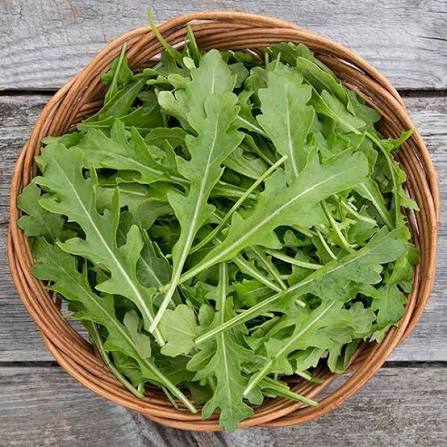

If you’ve walked through a farmers market lately or scrolled through a trendy restaurant menu, chances are you’ve spotted arugula sitting proudly next to heirloom tomatoes, shaved parmesan, or a drizzle of balsamic glaze. This isn’t just another leafy green trying to steal the spotlight from spinach and kale — arugula has genuinely earned its place at the top of the nutrition food chain, and for good reason.
Also known as rocket, salad rocket, roquette, or Italian cress, arugula has quietly become one of the most requested greens in American kitchens. It’s peppery, slightly nutty, a little spicy, and endlessly versatile. Whether you’re tossing it into a quick weeknight salad, blending it into a vibrant pesto, or layering it onto a gourmet pizza fresh out of the oven, arugula brings a bold flavor punch that few other greens can match.
But here’s the thing — arugula isn’t just delicious. It’s a nutritional powerhouse packed with vitamins, minerals, and plant compounds that support everything from bone health to heart health to cancer prevention. In this in-depth guide, we’re going to cover absolutely everything you need to know about arugula: what it is, where it comes from, why it’s so good for you, how to cook with it, how to grow it at home, and so much more.
Grab a cup of coffee (or better yet, a fresh arugula salad), and let’s dig in.
Table of Contents
- What Exactly Is Arugula?
- A Brief History of Arugula
- Arugula Nutrition Facts: What’s Really Inside This Leafy Green
- Top Health Benefits of Arugula
- Arugula vs. Other Leafy Greens: How Does It Compare?
- How to Choose and Store Fresh Arugula
- Creative Ways to Use Arugula in Your Kitchen
- Delicious Arugula Recipes You Need to Try
- How to Grow Arugula at Home (Even in Small Spaces)
- Potential Side Effects and Who Should Be Cautious
- Fun Facts About Arugula You Probably Didn’t Know
- Frequently Asked Questions About Arugula
- Final Thoughts
1. What Exactly Is Arugula?
Arugula (scientific name Eruca vesicaria, sometimes labeled Eruca sativa) is a leafy green vegetable that belongs to the Brassicaceae family — the same family that gives us broccoli, cabbage, kale, and mustard greens. That family connection explains a lot about arugula’s personality: like its cruciferous cousins, arugula is loaded with beneficial plant compounds and has that signature slightly spicy, peppery bite.
Unlike milder greens such as butter lettuce or baby spinach, arugula has a distinct flavor profile that’s often described as:
- Peppery and slightly spicy, similar to a mild mustard
- Nutty and earthy, especially when the leaves are more mature
- Fresh and slightly bitter, which balances beautifully with sweet or acidic ingredients
The leaves themselves are deeply lobed, tender, and a vibrant dark green color. Baby arugula leaves are smaller, softer, and milder in flavor, while mature arugula leaves pack a much bigger peppery punch and hold up better to cooking.
You’ll often see arugula sold under different names depending on where you are or what recipe you’re following:
- Rocket (common in the UK, Australia, and increasingly in the U.S.)
- Salad rocket
- Roquette
- Italian cress
- Garden rocket
No matter what you call it, it’s the same fantastic green — and once you start cooking with it, you’ll understand why it has such a devoted following.
2. A Brief History of Arugula
Arugula’s story goes back thousands of years, and it’s a lot more interesting than you might expect.
- Ancient Roman and Egyptian roots: Arugula was cultivated as far back as Roman times, where it was actually believed to have aphrodisiac properties. Ancient Egyptians also grew arugula, often alongside their olive crops.
- Mediterranean staple: For centuries, arugula has been a beloved ingredient throughout Italy, Greece, and the broader Mediterranean region, where it’s used generously in salads, pastas, and sauces.
- A slow rise in America: While arugula has always been a staple green throughout Europe, it didn’t become a household name in the United States until the late 20th century, when upscale restaurants and the farm-to-table movement began putting it front and center on menus.
- Modern-day superstar: Today, arugula is grown across the U.S., from small backyard gardens to large commercial farms in California, which produces the majority of America’s arugula supply.
What started as a humble Mediterranean herb has become a full-blown culinary star — and honestly, it deserves every bit of the hype.
3. Arugula Nutrition Facts: What’s Really Inside This Leafy Green
Here’s where arugula truly shines. Despite being incredibly low in calories, arugula delivers an impressive amount of nutrition per bite. Below is a breakdown of what you’ll find in a 2-cup (about 40g) serving of raw arugula:
- Calories: Roughly 10 calories
- Protein: About 1 gram
- Carbohydrates: Around 1.5 grams
- Fiber: A small but meaningful amount
- Fat: Virtually 0 grams
- Vitamin K: A significant contribution toward your daily needs — essential for blood clotting and bone health
- Vitamin A: Supports eye health, immune function, and skin health
- Vitamin C: An antioxidant powerhouse that supports immune function and collagen production
- Folate: Important for cell growth and especially critical during pregnancy
- Calcium: Supports strong bones and teeth
- Potassium: Helps regulate blood pressure and muscle function
- Magnesium: Involved in over 300 enzymatic processes in the body
- Manganese: Supports metabolism and bone development
- Antioxidants: Including beta-carotene, lutein, and zeaxanthin, which support eye and skin health
Here’s the bottom line: arugula gives you an enormous nutritional return on a tiny caloric investment. Few foods let you eat generously while doing so much good for your body — and that’s exactly why nutritionists consistently recommend leafy greens like arugula as a daily staple.

4. Top Health Benefits of Arugula
Let’s get into the good stuff — why exactly should you be eating more arugula? Here are the most compelling, science-backed reasons to make this peppery green a regular part of your diet.
✅ Supports Heart Health
Arugula contains nitrates, naturally occurring compounds that the body converts into nitric oxide. Nitric oxide helps relax and widen blood vessels, which can support healthy blood pressure and better circulation. Combined with its potassium content, arugula makes a heart-smart addition to any meal.
✅ Packed With Bone-Strengthening Vitamin K
Vitamin K plays a critical role in bone metabolism and helps activate proteins involved in bone mineralization. A diet rich in vitamin K, like one that includes regular servings of arugula, is associated with better bone density and a reduced risk of fractures.
✅ May Help Support Cancer Prevention
As a cruciferous vegetable, arugula contains glucosinolates, plant compounds that break down into isothiocyanates when chewed or digested. Research on cruciferous vegetables suggests these compounds may help the body detoxify potential carcinogens and support healthy cell function.
✅ Great for Eye Health
Arugula is rich in lutein and zeaxanthin, two antioxidants that accumulate in the retina and help filter harmful blue light while reducing oxidative stress in the eyes. Regular consumption of leafy greens like arugula has been linked to a lower risk of age-related macular degeneration and cataracts.
✅ Supports Healthy Digestion
Like most leafy greens, arugula contains fiber that supports regular digestion and feeds beneficial gut bacteria. A healthy gut microbiome is increasingly linked to better immunity, mood regulation, and even metabolic health.
✅ Low-Calorie, High-Volume Food for Weight Management
Because arugula is so low in calories yet high in volume and nutrients, it’s an excellent choice for anyone trying to manage their weight. You can eat generous portions without derailing your calorie goals, all while feeling fuller and more satisfied.
✅ May Support Healthy Blood Sugar Levels
Leafy greens like arugula have a minimal impact on blood sugar due to their low carbohydrate content and high fiber content. Including greens like arugula in meals can help slow digestion and prevent sharp blood sugar spikes.
✅ Boosts Skin Health
The combination of vitamin C, vitamin A, and antioxidants in arugula supports collagen production, protects skin cells from oxidative damage, and may contribute to a healthier, more youthful complexion over time.
✅ Anti-Inflammatory Properties
Arugula contains various antioxidants and phytochemicals that may help reduce chronic inflammation in the body — a root contributor to many long-term health conditions, including heart disease, diabetes, and arthritis.
✅ Supports a Healthy Pregnancy
Thanks to its folate content, arugula can be a smart addition to a prenatal diet. Folate is essential for proper fetal development, particularly in the early stages of pregnancy.
✅ May Support Bone and Muscle Function
With a solid dose of calcium and magnesium, arugula contributes to both strong bones and proper muscle contraction and relaxation — making it a smart choice for active individuals and older adults alike.
✅ Naturally Detoxifying
The glucosinolates in arugula also support the body’s natural detoxification pathways in the liver, helping to process and eliminate toxins more efficiently.
5. Arugula vs. Other Leafy Greens: How Does It Compare?
You might be wondering how arugula stacks up against the leafy greens you’re already used to. Here’s a quick breakdown:
- Arugula vs. Spinach: Spinach is milder and slightly higher in iron, while arugula has a bolder, peppery flavor and a notably higher concentration of certain antioxidants. Both are excellent choices, but arugula wins on flavor complexity.
- Arugula vs. Kale: Kale is heartier and more fibrous, better suited for cooking down in soups and stews. Arugula is more tender and works beautifully raw in salads, making it a better choice when you want fresh, vibrant texture.
- Arugula vs. Romaine Lettuce: Romaine is crisp and mild, ideal for classic salads like Caesar. Arugula brings far more nutritional density and a much more interesting flavor profile, though it has less crunch.
- Arugula vs. Watercress: These two are the closest in flavor, both peppery and slightly spicy. Watercress is slightly more nutrient-dense, but arugula tends to be easier to find and more versatile in everyday cooking.
The takeaway? Arugula doesn’t need to replace your other greens — but it absolutely deserves a permanent spot in your regular rotation.
6. How to Choose and Store Fresh Arugula
Getting the most out of your arugula starts with picking the right bunch and storing it properly.
When choosing arugula, look for:
- Leaves that are vibrant green with no yellowing or wilting
- Crisp, firm texture rather than limp or slimy leaves
- No dark spots, sliminess, or strong off-putting odor
- Smaller, baby leaves if you want a milder flavor for salads
- Larger, more mature leaves if you plan to cook or sauté it
To store arugula properly:
- Do not wash it until you’re ready to use it — excess moisture speeds up spoilage
- Wrap the leaves loosely in a paper towel to absorb excess moisture
- Store in a perforated plastic bag or a container with a loose-fitting lid
- Keep it in the crisper drawer of your refrigerator
- Use within 3 to 5 days for the best flavor and texture
- If your arugula starts to wilt, a quick ice water soak for 10-15 minutes can help revive it
7. Creative Ways to Use Arugula in Your Kitchen
One of the best things about arugula is just how versatile it is. Here are some of the most popular and delicious ways to incorporate it into your everyday cooking:
- Fresh salads: The most classic use — toss with olive oil, lemon juice, sea salt, and shaved parmesan for a simple, restaurant-quality side dish
- Pizza topping: Add a handful of fresh arugula on top of a hot pizza right after it comes out of the oven for a peppery, fresh contrast
- Pasta dishes: Stir wilted arugula into warm pasta for a quick, nutrient-packed upgrade
- Pesto: Blend arugula with pine nuts, garlic, parmesan, and olive oil for a bold, peppery twist on traditional basil pesto
- Sandwiches and wraps: Swap out lettuce for arugula to add a punch of flavor to sandwiches, burgers, and wraps
- Smoothies: A small handful of arugula blends surprisingly well into green smoothies without overpowering the other flavors
- Soups: Stir arugula into soups just before serving for a fresh, peppery finish
- Grain bowls: Add raw arugula to quinoa, farro, or rice bowls for texture and nutrition
- Garnish: Use arugula as an elegant garnish for steaks, grilled fish, or roasted vegetables
- Sautéed side dish: Quickly sauté with garlic and olive oil for a warm, flavorful side dish similar to sautéed spinach
8. Delicious Arugula Recipes You Need to Try
🥗 Classic Arugula Salad with Lemon Vinaigrette
- Fresh arugula
- Shaved parmesan cheese
- Toasted pine nuts
- Extra virgin olive oil
- Fresh lemon juice
- Salt and freshly cracked black pepper
Simply toss everything together right before serving for a bright, peppery salad that pairs beautifully with almost any main course.
🍕 Prosciutto and Arugula Pizza
- Pizza dough of your choice
- Mozzarella cheese
- Thin slices of prosciutto
- Fresh arugula
- A drizzle of good-quality olive oil
- A splash of balsamic glaze
Bake the pizza with just cheese and prosciutto, then top with fresh arugula and a balsamic drizzle immediately after it comes out of the oven.
🍝 Arugula and Walnut Pesto Pasta
- Fresh arugula
- Walnuts
- Garlic
- Parmesan cheese
- Olive oil
- Your favorite pasta
Blend the arugula, walnuts, garlic, parmesan, and olive oil into a smooth pesto, then toss with warm cooked pasta for a quick, flavorful dinner.
🥪 Turkey and Arugula Sandwich
- Sliced turkey breast
- Fresh arugula
- Sliced tomato
- Whole grain bread
- Dijon mustard mayo
A simple upgrade to your everyday sandwich that adds a fresh, peppery bite.
🍲 Warm Arugula and White Bean Soup
- Fresh arugula
- White beans
- Vegetable or chicken broth
- Garlic and onion
- Olive oil
Stir fresh arugula into a warm white bean soup just before serving to wilt it slightly while keeping its bright flavor and nutrients intact.
9. How to Grow Arugula at Home (Even in Small Spaces)
The great news? Arugula is one of the easiest and fastest-growing vegetables you can plant, making it perfect for beginner gardeners.
Here’s how to get started:
- Choose the right time: Arugula thrives in cooler weather, so plant in early spring or fall for the best results
- Pick a sunny spot: Arugula prefers full sun to partial shade
- Use well-draining soil: Loose, well-draining soil with added compost works best
- Sow seeds directly: Arugula seeds can be sown directly into the ground or containers about ¼ inch deep
- Space properly: Space seeds about 1 inch apart, thinning later if needed
- Water consistently: Keep the soil consistently moist but not waterlogged
- Watch it grow fast: Arugula germinates in as little as 5-7 days and is ready to harvest in just 3-4 weeks
- Harvest often: Pick outer leaves regularly to encourage continuous growth throughout the season
- Container-friendly: Arugula grows beautifully in pots, making it perfect for balconies, patios, and small backyard gardens
Because it grows so quickly, arugula is one of the most rewarding vegetables for new gardeners looking for fast results.
10. Potential Side Effects and Who Should Be Cautious
Arugula is safe and healthy for the vast majority of people, but there are a few things worth keeping in mind:
- Blood thinners: Because arugula is high in vitamin K, individuals taking blood-thinning medications like warfarin should maintain consistent intake and consult their doctor
- Thyroid conditions: Like other cruciferous vegetables, arugula contains compounds that, in very large amounts, may interfere with thyroid function in people with existing thyroid issues
- Kidney stones: Arugula contains oxalates, so individuals prone to certain types of kidney stones may want to moderate their intake
- Allergies: While rare, some individuals may have sensitivities to cruciferous vegetables
As always, if you have specific health conditions or concerns, it’s a good idea to check with your doctor or a registered dietitian before making significant dietary changes.
11. Fun Facts About Arugula You Probably Didn’t Know
- Arugula was historically believed by ancient Romans to have romantic and energizing properties
- California produces the vast majority of commercially grown arugula in the United States
- Arugula flowers are edible too, and they carry a similar peppery flavor to the leaves
- The spicier taste of arugula comes from the same family of compounds found in mustard and horseradish
- Arugula seeds can also be pressed to make a peppery, mustard-like oil
- Wild arugula, a slightly different variety, has an even bolder, spicier flavor than cultivated arugula
12. Frequently Asked Questions About Arugula
Is arugula the same as lettuce? No. While both are leafy greens used in salads, arugula belongs to the Brassicaceae family (like broccoli and kale), while lettuce belongs to a completely different plant family. Arugula has a much bolder, peppery flavor compared to mild lettuce varieties.
Can you eat arugula raw? Absolutely. In fact, arugula is most commonly eaten raw in salads, sandwiches, and as a pizza topping.
Does arugula taste bitter? Arugula has a peppery, slightly spicy flavor rather than a truly bitter one, though more mature leaves can develop a stronger, more intense flavor.
Is arugula good for weight loss? Yes. Its extremely low calorie count combined with high nutrient density makes it an excellent choice for anyone managing their weight.
Can dogs eat arugula? In small amounts, arugula is generally considered safe for dogs, but it should only be given occasionally and in moderation.
How long does arugula last in the fridge? Properly stored, fresh arugula typically lasts 3 to 5 days in the refrigerator.
Is baby arugula different from regular arugula? Baby arugula is simply harvested earlier, resulting in smaller, more tender leaves with a milder flavor compared to fully mature arugula.
Can you freeze arugula? While arugula can technically be frozen, it’s best used fresh due to its delicate texture. If freezing, it’s often better to blend it into pesto first.
13. Final Thoughts
Arugula isn’t just a trendy restaurant garnish — it’s a genuinely powerful, nutrient-dense green that deserves a permanent place in your kitchen. From its impressive vitamin and mineral content to its bold, peppery flavor that instantly elevates any dish, arugula checks every box: it’s healthy, delicious, versatile, and incredibly easy to grow at home.
Whether you’re building the perfect salad, topping a fresh pizza, blending a vibrant pesto, or simply looking for new ways to eat more greens, arugula is one of the smartest, tastiest choices you can make. So next time you’re at the grocery store or farmers market, grab a bunch of fresh arugula and start experimenting. Your taste buds — and your body — will thank you.
HASH TAG :-
#Arugula #ArugulaRecipes #LeafyGreens #HealthyEating #CleanEating #SaladLovers #FarmToTable #PlantBasedDiet #HealthyLifestyle #NutritionFacts #SuperfoodGreens #WeightLossFoods #HeartHealthyFood #HealthyRecipes #FreshProduce #GardenToTable #GrowYourOwnFood #HomeGardening #MediterraneanDiet #WholeFoods #HealthyGreens #SaladRecipes #EatYourGreens #VeggieLovers #HealthyDiet #ImmuneBoostingFoods #AntiInflammatoryFoods #FoodieBlog #CookingAtHome #FreshIngredients
