
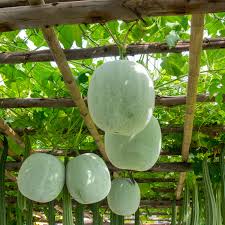

If you’ve never heard of ash gourd, you’re not alone — but once you learn what this quiet, unassuming vegetable can do for your body, you’ll wonder why it isn’t sitting in every American refrigerator right next to the broccoli and bell peppers.
Also known as winter melon, wax gourd, white gourd, Chinese preserving melon, or petha (depending on where you’re from), ash gourd is a large, pale-green, melon-shaped vegetable that’s been a staple in Asian kitchens and traditional medicine cabinets for thousands of years. It’s mild, versatile, incredibly hydrating, and absurdly low in calories — but don’t let its subtle flavor fool you. Ash gourd is one of the most nutrient-dense, health-supportive vegetables you can add to your diet.
In the West, ash gourd is still flying under the radar. But that’s changing fast, as more people discover its impressive health benefits, its usefulness in weight management, and its surprising versatility in the kitchen — from savory curries to sweet candied treats.
In this deep-dive guide, we’re covering absolutely everything you need to know about ash gourd: what it is, where it comes from, why it’s so good for you, how to cook with it, how to grow it, and so much more. Let’s get into it.
Table of Contents
- What Exactly Is Ash Gourd?
- A Brief History of Ash Gourd
- Ash Gourd Nutrition Facts: What’s Really Inside This Vegetable
- Top Health Benefits of Ash Gourd
- Ash Gourd vs. Other Gourds and Squashes: How Does It Compare?
- How to Choose, Cut, and Store Fresh Ash Gourd
- Creative Ways to Use Ash Gourd in Your Kitchen
- Delicious Ash Gourd Recipes You Need to Try
- How to Grow Ash Gourd at Home
- Potential Side Effects and Who Should Be Cautious
- Fun Facts About Ash Gourd You Probably Didn’t Know
- Frequently Asked Questions About Ash Gourd
- Final Thoughts
1. What Exactly Is Ash Gourd?
Ash gourd (scientific name Benincasa hispida) is a large, oblong or round vegetable that belongs to the Cucurbitaceae family — the same botanical family as cucumbers, pumpkins, zucchini, and other melons and squashes. Despite that family resemblance, ash gourd has a personality all its own.
The vegetable gets its name from the pale, ash-like, waxy coating that develops on its skin as it matures — which is also why it’s commonly called wax gourd or white gourd. Beneath that dusty, chalky exterior is a firm, pale-green to white flesh that’s:
- Mild and subtly sweet, with almost no strong flavor of its own
- Watery and refreshing, similar in texture to cucumber but firmer
- Incredibly absorbent, soaking up whatever spices, broths, or sauces it’s cooked with
This mild, almost neutral flavor is actually one of ash gourd’s biggest strengths. It acts like a culinary chameleon, taking on the flavor of whatever it’s paired with — which is exactly why it shows up in everything from spicy South Asian curries to delicate Chinese soups to syrupy Indian sweets.
You’ll often see ash gourd sold or referred to under different names depending on the region:
- Winter melon
- Wax gourd
- White gourd
- Chinese preserving melon
- Petha (particularly in North India, where it’s turned into a famous candied sweet)
- Kundru or kumbalanga (regional Indian names)
No matter what name you find it under, it’s the same remarkable vegetable — and it’s absolutely worth getting to know.
2. A Brief History of Ash Gourd
Ash gourd has deep roots in Asian agriculture, cuisine, and traditional medicine.
- Ancient origins in Southeast Asia: Ash gourd is believed to have originated in Southeast Asia or China, where it has been cultivated for thousands of years.
- A staple in traditional medicine: In Ayurvedic and Traditional Chinese Medicine practices, ash gourd has long been valued for its cooling properties and its use in supporting digestion, urinary health, and overall balance in the body.
- Widely grown across Asia: Today, ash gourd is a dietary staple across India, China, Southeast Asia, and parts of the Caribbean, where it’s used in soups, stir-fries, curries, and sweets.
- A rising star in the West: As global cuisines continue to influence American cooking and as more people look for low-calorie, nutrient-dense produce, ash gourd is slowly making its way onto more Western plates, particularly in health-conscious and Asian-fusion cooking communities.
What was once a humble regional vegetable is quickly becoming recognized worldwide as a legitimate nutritional powerhouse.
3. Ash Gourd Nutrition Facts: What’s Really Inside This Vegetable
Ash gourd might not look like much, but its nutritional profile is genuinely impressive — especially for anyone focused on hydration, weight management, or clean eating. Here’s what you’ll typically find in a 1-cup (about 175g) serving of cooked ash gourd:
- Calories: Roughly 20-25 calories
- Water content: Over 95%, making it one of the most hydrating vegetables available
- Protein: Less than 1 gram
- Carbohydrates: Around 4-5 grams
- Fiber: A modest but useful amount that supports digestion
- Fat: Virtually 0 grams
- Vitamin C: A solid contribution toward daily immune and skin health needs
- Vitamin B2 (Riboflavin): Supports energy metabolism
- Calcium: Supports bone and dental health
- Potassium: Supports healthy blood pressure and fluid balance
- Zinc: Supports immune function and wound healing
- Iron: Contributes to healthy blood and oxygen transport
- Antioxidants: Including various polyphenols that help combat oxidative stress in the body
The standout here is the combination of extremely low calories, high water content, and a meaningful vitamin and mineral profile. Few vegetables let you eat such generous portions while doing so little damage to your daily calorie budget — which is exactly why ash gourd has become a go-to ingredient for weight-conscious eaters across Asia for generations.

4. Top Health Benefits of Ash Gourd
Let’s get into the real reason you’re here — why should you actually be eating ash gourd? Here are the most compelling, well-documented reasons to start incorporating this vegetable into your regular diet.
✅ Supports Healthy Weight Management
With its extremely low calorie count and high water and fiber content, ash gourd is a dream ingredient for anyone trying to manage their weight. It adds volume and satiety to meals without contributing significant calories, making it easier to feel full while staying within your calorie goals.
✅ Naturally Hydrating
Because ash gourd is over 95% water, it’s one of the most hydrating vegetables you can eat. Staying properly hydrated supports everything from skin health to digestion to cognitive function, and ash gourd makes it easy to boost your fluid intake through food.
✅ Supports Digestive Health
Ash gourd contains a good amount of dietary fiber, which supports regular bowel movements and feeds beneficial gut bacteria. In traditional medicine systems, ash gourd has long been used to soothe the digestive tract and support overall gut comfort.
✅ May Support Urinary and Kidney Health
Traditional medicine practices have used ash gourd juice for generations to support healthy urinary function. Its high water content promotes healthy urine flow, which may help support the body’s natural detoxification and flushing processes.
✅ Supports Healthy Blood Pressure
The potassium content in ash gourd helps balance sodium levels in the body, which plays an important role in maintaining healthy blood pressure. A potassium-rich diet is widely recommended as part of a heart-healthy eating pattern.
✅ Has a Cooling Effect on the Body
In Ayurvedic medicine, ash gourd is classified as a “cooling” food, traditionally recommended during hot weather or for individuals dealing with excess body heat, acidity, or inflammation-related discomfort.
✅ May Support Healthy Blood Sugar Levels
Ash gourd is low in carbohydrates and has a minimal impact on blood sugar, making it a smart addition for individuals mindful of their glucose levels. Some traditional health practices have also used ash gourd as a supportive ingredient for metabolic wellness.
✅ Supports Skin Health
Thanks to its vitamin C content and high water levels, ash gourd may support collagen production and skin hydration, contributing to a healthier, more radiant complexion over time.
✅ May Support Stress and Nervous System Health
In traditional Ayurvedic practices, ash gourd juice has long been associated with calming properties and has historically been used to support mental clarity and reduce stress-related symptoms.
✅ Supports Immune Function
With its combination of vitamin C, zinc, and antioxidants, ash gourd contributes meaningfully to a well-functioning immune system, helping your body defend against everyday illness.
✅ Naturally Detoxifying
The high water content combined with subtle diuretic properties makes ash gourd a popular choice in traditional detox and cleansing diets across Asia.
✅ Gentle on the Stomach
Because of its mild flavor and soft texture when cooked, ash gourd is often recommended as an easy-to-digest food, particularly for individuals recovering from illness or dealing with digestive sensitivity.
5. Ash Gourd vs. Other Gourds and Squashes: How Does It Compare?
Curious how ash gourd stacks up against the vegetables you’re already familiar with? Here’s a quick comparison:
- Ash Gourd vs. Zucchini: Zucchini has a slightly higher nutrient density and a more distinct flavor, while ash gourd is milder, more watery, and holds up better in slow-cooked dishes like curries and soups.
- Ash Gourd vs. Cucumber: Cucumber is almost always eaten raw and is crisp and refreshing, while ash gourd is typically cooked and has a much softer, more absorbent texture once prepared.
- Ash Gourd vs. Bottle Gourd: These two are often used interchangeably in South Asian cooking. Bottle gourd has a slightly sweeter flavor, while ash gourd has a firmer texture that holds its shape better in certain dishes.
- Ash Gourd vs. Pumpkin: Pumpkin is denser, sweeter, and higher in beta-carotene, while ash gourd is far lower in calories and carbohydrates, making it a better choice for lighter, hydrating dishes.
The takeaway? Ash gourd occupies its own unique lane — incredibly light, hydrating, and adaptable in a way that few other gourds or squashes can match.
6. How to Choose, Cut, and Store Fresh Ash Gourd
Getting the best results from ash gourd starts with choosing a good one and handling it properly.
When choosing ash gourd, look for:
- A firm vegetable with no soft spots or bruising
- A consistent, powdery, wax-like coating on the skin (a sign of good maturity)
- A heavier-than-expected weight relative to its size, which usually indicates good water content
- Skin that’s free from cracks, mold, or discoloration
To cut ash gourd:
- Wash the exterior thoroughly since the skin can carry dust and residue from that waxy coating
- Use a sturdy, sharp knife, as the outer skin can be quite tough
- Cut off both ends, then slice into manageable sections
- Scoop out the seeds and soft pulpy center, similar to preparing a squash
- Peel the tough outer skin before cooking
- Cube, slice, or grate the flesh depending on your recipe
To store ash gourd:
- Whole, uncut ash gourd can last for several weeks to even a few months when stored in a cool, dry place, thanks to its thick protective skin
- Once cut, wrap tightly in plastic wrap or store in an airtight container in the refrigerator
- Use refrigerated, cut ash gourd within 5 to 7 days for the best quality
- Cooked ash gourd can be stored in the fridge for up to 3-4 days in a sealed container
7. Creative Ways to Use Ash Gourd in Your Kitchen
Ash gourd’s mild flavor and sponge-like texture make it one of the most adaptable vegetables you can cook with. Here are some of the most popular and delicious ways to use it:
- Curries: A staple in South Asian cooking, ash gourd absorbs spices beautifully in coconut-based or tomato-based curries
- Soups: Winter melon soup is a beloved dish in Chinese cuisine, often simmered with mushrooms, ham, or seafood
- Stir-fries: Quick-cooked with garlic, ginger, and soy sauce for a simple, satisfying side dish
- Stews: Adds bulk and absorbs flavor beautifully in slow-cooked vegetable or meat stews
- Candied sweets: In India, ash gourd is transformed into “petha,” a popular translucent, syrup-soaked candy
- Juices: Ash gourd juice is a traditional wellness drink in Ayurvedic practice, often consumed on an empty stomach
- Pickles: Ash gourd can be pickled with mustard seeds and spices for a tangy, crunchy condiment
- Steamed dishes: Simply steamed and lightly seasoned for an easy, low-calorie side
- Fritters: Grated and mixed into a spiced batter, then fried for a crispy appetizer
- Stuffed preparations: Hollowed-out sections can be stuffed with spiced fillings and baked or steamed
8. Delicious Ash Gourd Recipes You Need to Try
🍛 Classic Ash Gourd Curry
- Cubed ash gourd
- Coconut milk
- Mustard seeds, curry leaves, and turmeric
- Green chilies and garlic
- Salt to taste
Sauté the spices in oil until fragrant, add the ash gourd cubes, simmer with coconut milk until tender, and serve over steamed rice.
🍲 Chinese-Style Winter Melon Soup
- Ash gourd, peeled and cubed
- Chicken or vegetable broth
- Shiitake mushrooms
- Ginger and scallions
- A splash of soy sauce
Simmer all ingredients together until the ash gourd turns tender and translucent, then garnish with fresh scallions before serving.
🥘 Garlic Ginger Ash Gourd Stir-Fry
- Thinly sliced ash gourd
- Garlic and fresh ginger
- Soy sauce and sesame oil
- A pinch of red pepper flakes
Stir-fry the garlic and ginger until fragrant, add the ash gourd, and cook until just tender, finishing with a drizzle of sesame oil.
🍬 Traditional Petha (Candied Ash Gourd)
- Ash gourd, peeled and cubed
- Sugar syrup
- A few drops of cardamom or rose water
Boil the ash gourd until slightly translucent, then simmer in a sugar syrup until fully candied and glossy. A beloved traditional sweet treat from North India.
🥤 Refreshing Ash Gourd Juice
- Fresh ash gourd, peeled and chopped
- A splash of lemon juice
- A pinch of black salt
- Fresh mint leaves
Blend the ash gourd with water until smooth, strain if desired, then stir in lemon juice, black salt, and mint for a refreshing, traditional wellness drink.
9. How to Grow Ash Gourd at Home
If you have the outdoor space, ash gourd is a surprisingly rewarding and low-maintenance vegetable to grow at home.
Here’s how to get started:
- Choose the right season: Ash gourd thrives in warm weather, so plant after the last frost in spring once temperatures are consistently warm
- Pick a sunny spot: Ash gourd needs full sun and plenty of space to sprawl, as the vines can grow quite large
- Prepare the soil: Use well-draining, nutrient-rich soil with added compost or organic matter
- Provide support: Since ash gourd vines can grow long and vigorous, a sturdy trellis is helpful for supporting the fruit as it develops
- Sow seeds directly: Plant seeds about an inch deep, spacing them well apart to allow for vigorous vine growth
- Water consistently: Keep the soil moist, especially during the fruit development stage
- Be patient: Ash gourd takes longer to mature than many vegetables, often 3 to 4 months from planting to harvest
- Harvest at the right time: Look for the characteristic waxy, powdery coating on the skin as a sign of maturity
- Store your harvest: Thanks to its thick skin, a mature ash gourd can be stored for weeks or even months without spoiling
Because of its long storage life, many home gardeners love growing ash gourd as a way to enjoy fresh, homegrown produce well into the colder months.
10. Potential Side Effects and Who Should Be Cautious
Ash gourd is generally very safe and well-tolerated, but there are a few considerations worth keeping in mind:
- Blood pressure medications: Because ash gourd may have a mild effect on blood pressure, individuals on blood pressure medication should monitor their intake and consult their doctor
- Diabetes medications: Since ash gourd may influence blood sugar levels, those on diabetes medication should discuss significant dietary changes with their healthcare provider
- Allergies: While rare, some individuals may experience mild allergic reactions to ash gourd
- Excessive juice consumption: Traditional ash gourd juice is generally safe in moderate amounts, but excessive consumption may cause digestive discomfort in some individuals
As always, if you have specific health conditions or are taking medication, it’s a good idea to check with your doctor or a registered dietitian before making significant dietary changes.
11. Fun Facts About Ash Gourd You Probably Didn’t Know
- Ash gourd’s thick, waxy skin allows it to be stored for months without refrigeration, earning it the nickname “winter melon”
- In some parts of Asia, ash gourd is offered during religious ceremonies and traditional celebrations
- A single ash gourd can grow to be quite large, sometimes weighing well over 15 pounds
- The powdery coating on the skin is a natural protective layer that helps the vegetable retain moisture and resist spoilage
- Ash gourd is sometimes used in traditional skincare preparations across parts of Asia
- Despite its size and heft, ash gourd is made up almost entirely of water, making it one of the lightest vegetables in terms of calories per pound
12. Frequently Asked Questions About Ash Gourd
Is ash gourd the same as bottle gourd? No. While they’re both gourds used in similar cuisines, ash gourd has a firmer texture and a distinctive waxy skin, while bottle gourd tends to be softer with a slightly sweeter flavor.
Can you eat ash gourd raw? While technically edible raw, ash gourd is almost always cooked, as its texture and flavor are far more enjoyable once softened through cooking.
Does ash gourd taste like anything? Ash gourd has a very mild, subtly sweet flavor and takes on the taste of whatever spices or ingredients it’s cooked with.
Is ash gourd good for weight loss? Yes. Its extremely low calorie count, high water content, and fiber make it an excellent choice for anyone focused on weight management.
How long does whole ash gourd last? Thanks to its thick, waxy skin, a whole, uncut ash gourd can last for several weeks to a few months when stored in a cool, dry place.
Is ash gourd juice good for you? In moderate amounts, ash gourd juice is a traditional wellness drink valued for its hydrating and cooling properties, though it should be consumed as part of a balanced diet.
Can you freeze ash gourd? Yes, cooked or blanched ash gourd can be frozen for later use in soups, curries, and stews.
What does ash gourd look like inside? Inside, ash gourd has pale, almost white flesh with a soft central cavity containing seeds, similar in appearance to a squash or melon.
13. Final Thoughts
Ash gourd may not have the flashy reputation of trendier superfoods, but it more than earns its place as a genuinely valuable addition to a healthy diet. With its incredibly low calorie count, impressive hydration content, and long list of traditional and modern health benefits, this humble, unassuming vegetable deserves far more attention than it currently gets in Western kitchens.
Whether you’re simmering it into a comforting curry, blending it into a traditional wellness juice, or experimenting with a classic candied petha, ash gourd offers something genuinely unique: a light, adaptable, nutrient-supportive vegetable that fits beautifully into almost any style of cooking. So next time you spot ash gourd at an Asian grocery store or farmers market, don’t walk past it — bring it home and give it a try. It might just become your new favorite kitchen staple.
HASHTAG :-
#AshGourd #WinterMelon #WaxGourd #HealthyEating #CleanEating #TraditionalMedicine #Ayurveda #PlantBasedDiet #HealthyLifestyle #NutritionFacts #WeightLossFoods #HydratingFoods #LowCalorieFoods #HealthyRecipes #AsianCuisine #FarmToTable #GrowYourOwnFood #HomeGardening #WholeFoods #HealthyGreens #CurryRecipes #DetoxFoods #ImmuneBoostingFoods #GutHealth #HeartHealthyFood #IndianFood #ChineseCuisine #FoodieBlog #CookingAtHome #FreshIngredients
