
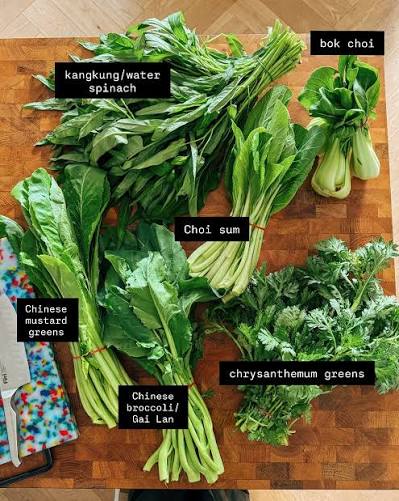

Leafy greens have long been hailed as the foundation of a vibrant, high-energy diet. While Western kitchens have historically relied on spinach, kale, and romaine, culinary traditions across East, South, and Southeast Asia have cultivated an astounding diversity of leafy vegetables for over 5,000 years. Asian greens offer a broad spectrum of textures, colors, and flavors—ranging from sweet, buttery stems to fiery, peppery leaves—that transform everyday meals into extraordinary, restaurant-quality dishes.
What Are Asian Greens?
“Asian greens” is an umbrella term encompassing dozens of cultivated plants, primarily belonging to the Brassicaceae (cruciferous mustard) family, along with select members of the Asteraceae (daisy/sunflower) and Convolvulaceae (morning glory) families. Unlike traditional European cabbages that form dense, heavy, tightly wound heads, many Asian greens grow as open rosettes, upright succulent stalks, or tender-stemmed clusters.
Key Culinary Takeaway: Asian greens are prized for their structural contrast. In a single stalk, you often get a thick, crunchy stem that retains its snap under intense heat, paired with delicate, tender leaves that absorb savory sauces instantly.
12 Essential Asian Greens Every Home Cook Should Know
1. Bok Choy (Brassica rapa subsp. chinensis)
Also known as pak choi or white cabbage, bok choy is the quintessential Asian green recognized globally for its distinct appearance and crisp mouthfeel.
- Appearance: Flared, crisp white stems featuring wide, dark green spoon-shaped leaves.
- Flavor Profile: Mild, watery, refreshing, and slightly sweet with a crisp bite similar to celery.
- Best Cooking Methods: Quick stir-frying, halved on a hot grill, braised in broths, or added to noodle soups.
- Nutritional Highlights: Rich in vitamins A, C, and K, plus folate, calcium, and beta-carotene.
2. Baby Bok Choy
A miniature cultivar harvested early, baby bok choy offers a tender, exceptionally sweet taste compared to its fully grown counterpart.
- Appearance: Compact heads (4–6 inches long) with pale green-to-white bulbous bases and soft, vibrant leaves.
- Flavor Profile: Tender, sweet, and delicate without the slight bitterness found in mature leaves.
- Best Cooking Methods: Steamed whole, sliced in half and seared cut-side down in a hot skillet, or floated whole in ramen.
- Kitchen Tip: Slice baby bok choy down the center lengthwise to expose the tender inner core while keeping the stems intact.
3. Gai Lan / Chinese Broccoli (Brassica oleracea var. alboglabra)
Despite its English name, Gai Lan is closer to collard greens and kale than standard Western broccoli.
- Appearance: Thick, sturdy blue-green stems topped with broad, flat matte leaves and occasional small white flower buds.
- Flavor Profile: Bittersweet, earthy, and robustly savory with a crisp-tender stem structure.
- Best Cooking Methods: Blanched briefly and drizzled with warm oyster sauce, stir-fried with sliced beef, or charred over wok heat.
4. Choy Sum / Yu Choy (Brassica rapa var. parachinensis)
Translating to “vegetables heart” or “flowering cabbage,” Choy Sum is one of the most beloved everyday greens across Southern China and Southeast Asia.
- Appearance: Slender, light green stalks crowned with narrow leaves and tiny, bright yellow edible blooms.
- Flavor Profile: Sweet, juicy, and grassy with a mild mustard undertone that softens upon light cooking.
- Best Cooking Methods: Blanched with garlic oil, stir-fried with ginger, or added to Cantonese wonton soup.

5. Napa Cabbage / Wombok (Brassica rapa subsp. pekinensis)
The king of Chinese cabbages, Napa cabbage forms an elongated, barrel-shaped head with crinkled leaves.
- Appearance: Oblong head with pale yellowish-green tightly wrapped ruffled leaves and thick, flat white ribs.
- Flavor Profile: Extremely mild, sweet, and succulent when cooked, holding substantial liquid.
- Best Cooking Methods: Fermented into traditional Korean Kimchi, folded into dumpling fillings, simmered in hot pots, or quick-roasted.
6. Tatsoi (Brassica rapa subsp. narinosa)
Often called spoon cabbage or rosette bok choy, tatsoi forms a low-growing wheel of thick, dark leaves that hug the ground.
- Appearance: Dark, glossy, spoon-shaped leaves arranged in a rosette pattern.
- Flavor Profile: Creamy, peppery-sweet, and buttery with a silky texture.
- Best Cooking Methods: Raw in salad mixes, wilted into warm grains, stirred into broths, or substituted anywhere spinach is called for.
7. Mizuna (Brassica rapa var. niposinica)
A staple Japanese mustard green that brings feathery visual appeal and a refreshing crisp bite to dish presentation.
- Appearance: Deeply serrated, feathery green leaves with thin, crisp white stems.
- Flavor Profile: Mildly spicy, peppery, and bright, similar to a lighter arugula.
- Best Cooking Methods: Raw in mesclun salads, as a fresh bed for grilled fish or steak, flash-sautéed, or added to Japanese nabe (hot pot).
8. Gai Choy / Chinese Mustard Greens (Brassica juncea)
For those who enjoy bold, spicy flavors, Gai Choy delivers a distinct, sinus-clearing mustard kick.
- Appearance: Broad, curled, deeply grooved leaves with thick, pale green succulent stems.
- Flavor Profile: Pungent, sharp, and peppery with a horseradish-like warmth when raw, mellowing into a deep, savory flavor when cooked.
- Best Cooking Methods: Pickled in brine, slow-braised with fatty pork, stirred into hearty winter soups, or sautéed with dry chilis and garlic.
9. Komatsuna / Japanese Spinach Mustard (Brassica rapa var. perviridis)
Extremely popular across Japan, Komatsuna stands out for its high heat tolerance in cooking and concentrated nutrient profile.
- Appearance: Smooth, dark oval leaves attached to long, slender, light green stems.
- Flavor Profile: Sweet, earthy, and fresh, combining the subtle qualities of spinach and mild cabbage.
- Best Cooking Methods: Stir-fried with sesame oil, blanched for ohitashi (dashi-marinated greens), or incorporated into morning green smoothies.
10. Shungiku / Edible Chrysanthemum (Glebionis coronaria)
Distinct from the cruciferous brassica family, Shungiku comes from aromatic garland chrysanthemum greens.
- Appearance: Delicate, serrated, fern-like green leaves.
- Flavor Profile: Herbaceous, bitter-sweet, aromatic, and resinous with notes of citrus and pine.
- Best Cooking Methods: Added during the last 30 seconds of hot pot cooking, tossed quickly into stir-fries, or dressed with toasted sesame oil and seeds.
11. Ong Choy / Water Spinach (Ipomoea aquatica)
A semi-aquatic tropical plant that is a beloved fixture of Southeast Asian street food and home cooking.
- Appearance: Hollow, flexible green stems paired with long, arrow-shaped leaves.
- Flavor Profile: Extremely mild, grassy, and juicy, with stems that act as mini hollow channels that absorb surrounding sauces.
- Best Cooking Methods: High-heat wok stir-fry with fermented bean curd, shrimp paste, or garlic and chili.
12. Chinese Celery / Nan Ling Celery (Apium graveolens var. secalinum)
A concentrated, wild-tasting cousin of Western stalk celery with far more aromatic punch.
- Appearance: Very thin, hollow, fibrous green stems with lush, dark leafy tops.
- Flavor Profile: Intense, pungent celery punch with peppery undertones.
- Best Cooking Methods: Finely chopped into soups, cooked alongside dry-braised tofu, or used as a spice base in stir-fries.
Comparative Flavor & Texture Guide
- Bok Choy: Mild & Refreshing | Crisp stalk, soft leaf | Primary role: Stir-fry, soups, grilling | Western substitute: Swiss chard or Romaine
- Gai Lan: Bittersweet & Earthy | Crunchy stem, firm leaf | Primary role: Blanching, oyster sauce sauté | Western substitute: Broccolini or Rapini
- Choy Sum: Sweet & Grassy | Tender-crisp throughout | Primary role: Steaming, light stir-fry | Western substitute: Young spinach
- Tatsoi: Peppery-Sweet | Silky & Buttery | Primary role: Salads, wilted sides | Western substitute: Baby Spinach
- Mizuna: Spicy & Mustard-like | Feathery & Crisp | Primary role: Raw salads, soup garnish | Western substitute: Arugula / Rocket
- Gai Choy: Pungent & Fiery | Robust & Fibrous | Primary role: Pickling, slow-braising | Western substitute: Mustard Greens or Collards
- Napa Cabbage: Sweet & Succulent | Juicy rib, soft foliage | Primary role: Fermentation, dumplings | Western substitute: Savoy Cabbage
Nutritional Profile & Science-Backed Health Benefits
Asian greens rank among the most nutrient-dense foods on earth, delivering a vast array of essential micronutrients and bioactive compounds per calorie.
1. Bioavailable Calcium for Bone Strength
Unlike Western spinach, which contains high levels of oxalates that bind calcium and hinder its absorption in the body, greens like Bok Choy and Tatsoi have exceptionally low oxalate levels. This makes their native calcium content remarkably bioavailable for supporting bone density and skeletal health.
2. Potent Anticancer Glucosinolates
As cruciferous vegetables, Asian greens are packed with glucosinolates. When chopped, chewed, or lightly cooked, these sulfur-containing compounds break down into active isothiocyanates (such as sulforaphane). Isothiocyanates assist cellular detoxification, neutralize free radicals, and help suppress inflammatory pathways.
3. Cardiovascular & Blood Pressure Support
Rich natural concentrations of dietary nitrates, potassium, and magnesium work synergistically within the cardiovascular system. Nitrates convert into nitric oxide, helping relax blood vessels, promote arterial flexibility, and maintain healthy blood pressure levels.
4. Ocular Health Protection
Packed with lutein and zeaxanthin—two critical antioxidant carotenoids—these leafy greens accumulate directly in the retina. There, they act as natural internal sunglasses, filtering harmful blue light wavelengths and protecting long-term vision against age-related macular degeneration.
5. Gut Microbiome Diversity
Prebiotic fibers present in Napa cabbage, gai lan, and choy sum fuel beneficial gut microbes. Regular intake supports a balanced gut flora, strengthens the intestinal mucosal barrier, and promotes smooth digestive processing.
Master Culinary Techniques: How to Cook Asian Greens Like a Pro
Cooking Asian greens requires a gentle touch and precise timing to preserve their vibrant chlorophyll color, crisp structural snap, and fresh nutrient density.
Technique 1: The High-Heat Wok Stir-Fry
The ultimate goal of wok cooking is achieving Wok Hei (“breath of the wok”)—a smoky, caramelized aroma generated by searing ingredients rapidly under extreme heat.
- Dry the greens completely: Water left clinging to leaves creates steam in the pan, which boils the greens rather than searing them.
- Stagger your entry: Thick stems take longer to soften. Add them to the scorching wok 45 to 60 seconds before tossing in the delicate leaves.
- Use high smoke-point oils: Peanut, avocado, canola, or grapeseed oils handle extreme heat without breaking down or smoking off-flavors.
- Add aromatics at the end: Minced garlic, ginger, and scallions burn quickly in a hot wok. Toss them in during the final 30 seconds of cooking.
Technique 2: The Cantonese Blanch-and-Drizzle Method
This classic restaurant standard yields crisp, glistening greens with a pure, unadulterated flavor and striking emerald color.
- Bring a large pot of water to a rolling boil. Add 1 tablespoon of salt and a few drops of neutral oil (the floating oil coats the leaves as they submerge, locking in color and shine).
- Submerge sturdy greens like Gai Lan or Choy Sum stem-first for 30 seconds, then submerge the leaves for another 30 to 60 seconds.
- Remove immediately with tongs, drain thoroughly, and arrange neatly on a serving platter.
- Top with warm, lightly sizzled garlic oil and a drizzle of premium oyster sauce or soy-sesame glaze.
Step-by-Step Recipe: Garlic-Searing Baby Bok Choy
This fast-cooking recipe highlights the natural crunch and underlying sweetness of baby bok choy.
1.Prep the Greens:Serves 4 | Active Prep Time: 5 Mins.
Wash 1.5 lbs of Baby Bok Choy thoroughly under cold running water to remove any grit between the leaves. Slice each head lengthwise down the center into halves. Pat completely dry using a clean kitchen towel.
2.Infuse the Aromatics:
Heat 2 tablespoons of peanut oil in a wide wok or heavy cast-iron skillet over high heat until shimmering. Add 4 minced garlic cloves and 1 inch of julienned fresh ginger. Stir constantly for 15 seconds until fragrant.
3.Sear the Cut Sides:
Place the bok choy halves cut-side down in a single layer in the hot pan. Allow them to sear undisturbed for 90 seconds until light golden caramelization forms along the flat edges.
4.Glaze and Serve:
Pour in 1.5 tablespoons of soy sauce, 1 tablespoon of Shaoxing rice wine, and 1/2 teaspoon of toasted sesame oil. Toss rapidly for 30 seconds until the leaves wilt slightly while the stems stay crisp. Transfer to a platter and top with crispy fried shallots.
Freshness, Buying & Storage Secrets
Buying and storing Asian greens correctly preserves their crunch and extends their usable shelf life significantly.
How to Select at the Market
- Check stem elasticity: Look for bright, firm stems that feel heavy for their size and snap cleanly when bent.
- Inspect leaf condition: Avoid heads with yellowing edges, dark slimy spots, or limp, drooping leaves.
- Prioritize size for raw use: Choose smaller, compact heads for sweeter, more tender raw applications, saving larger heads for soups and long braises.
The Storage Protocol
- Keep Dry Prior to Storage: Moisture accelerates leaf decay. Do not wash your greens until immediately before cooking.
- The Paper Towel Wrap: Wrap unwashed stems loosely in dry paper towels to absorb ambient moisture inside the packaging.
- The Aluminum Foil Trick: For whole heads of Bok Choy or Napa Cabbage, wrapping the head snugly in heavy-duty aluminum foil keeps the vegetable crisp for up to 3 weeks in the crisper drawer by retaining moisture while letting ethylene gas diffuse.
Home Gardener’s Blueprint: How to Grow Asian Greens
Asian greens are among the fastest, most rewarding crops for home gardeners, maturing from seed to harvest in as little as 30 to 50 days.
Ideal Growing Conditions
- Seasonality: Asian greens thrive in cool weather. Plant seeds in early spring or late summer for an autumn harvest. Extreme summer heat causes plants to bolt (flower prematurely and turn bitter).
- Sunlight Requirements: Full sun to partial shade (a minimum of 4 to 5 hours of direct sunlight daily).
- Soil Needs: Well-draining, rich soil amended with organic compost and a pH balance between 6.0 and 7.0.
- Watering: Keep soil consistently moist; fluctuating water levels cause tough, stringy stems.
Frequently Asked Questions
Can I eat Asian greens raw?
Yes. Tender varieties like Mizuna, Tatsoi, and Baby Bok Choy make excellent raw salad bases. Sturdier greens like Gai Lan and Gai Choy taste better when lightly cooked, as heat softens their fibrous stems and mellows bitter or spicy flavor compounds.
Should people with thyroid conditions avoid raw Asian greens?
Raw brassica vegetables contain goitrogens, which can interfere with iodine uptake if consumed raw in large quantities. Cooking neutralizes these enzyme actions completely, making cooked Asian greens safe and beneficial as part of a balanced diet.
What is the best substitute for Bok Choy if I can’t find it?
Swiss chard stems or light green cabbage ribbons work as great substitutes, offering a similar juicy crunch and mild, clean flavor profile.
HASHTAG :-
#AsianGreens #BokChoy #GaiLan #ChoySum #Tatsoi #Mizuna #NapaCabbage #ChineseBroccoli #WaterSpinach #CruciferousVegetables #StirFryGreens #HealthyEating #PlantBasedNutrition #FarmToTable #Superfoods #CleanEating #WokCooking #AsianCuisine #HomeCooking #VeggieLover #OrganicGardening #CoolSeasonCrops #EatYourGreens #NutrientDense #LowCarbEats #GutHealth #AntioxidantRich #GardeningLife #HealthyRecipes #MealPrepIdeas
